Automatic Blister Packaging Machine: An Efficient Tool for the Modern Packaging Industry
As a highly efficient piece of packaging equipment, the automatic blister packaging machine occupies a pivotal position in the field of modern industrial packaging. By heating and softening plastic film—and subsequently utilizing vacuum suction or pressure molding techniques to form it into various shapes—these machines are widely employed across industries such as food, electronics, daily necessities, and pharmaceuticals. This article will explore the working principles, key structural components, application areas, and the advantages of automatic blister packaging machines within the context of modern industry.
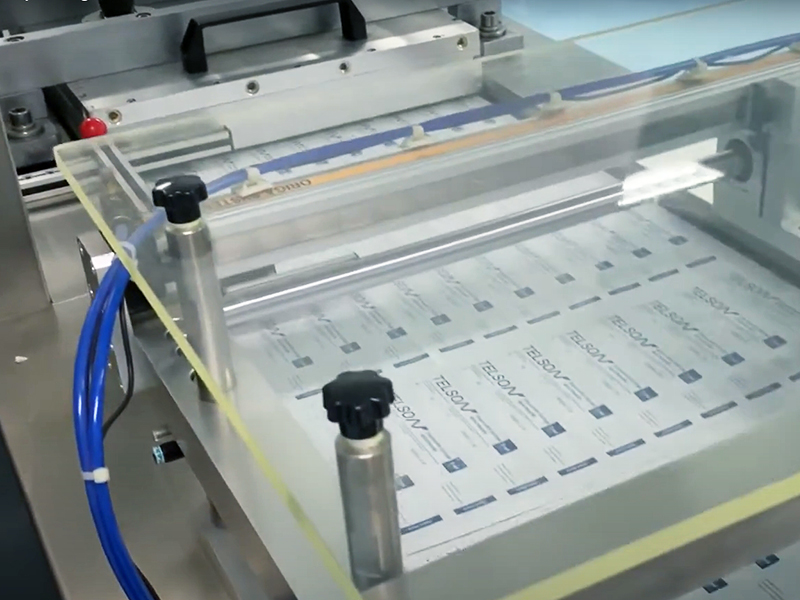
Working Principles of the Automatic Blister Packaging Machine
The core working principle of an automatic blister packaging machine involves heating a plastic film to soften it and render it pliable; it then utilizes vacuum suction or applied pressure to press the film tightly against the surface of a mold, thereby forming the desired packaging shape. The operational process generally comprises the following steps:
1. Heating the Plastic Film: First, the plastic film (typically made of materials such as PVC, PET, or PS) is fed into a heating zone. Through the action of upper and lower heating elements, the film reaches its softening temperature, preparing it for the subsequent molding stage.
2. Molding: The softened film is then conveyed into the molding zone. The mold itself—which corresponds to the required packaging shape—has been pre-fabricated in advance. Molds are typically constructed from metal and may feature either a single cavity or multiple cavities to accommodate the diverse packaging requirements of different products.
3. Vacuum Suction or Pressure Molding: Within the molding zone, the film is pressed tightly against the mold's surface—either through vacuum suction or pressure molding—to assume the desired packaging shape. Vacuum suction is achieved by evacuating the air from within the mold, causing the film to be drawn firmly against it; conversely, pressure molding involves applying air pressure to the surface of the film to force it into conformity with the mold.
4. Cooling and Cutting: The newly formed film passes through a cooling unit for rapid cooling, ensuring that its shape remains stable. Subsequently, the packaging material is cut into individual packaging units, ready for the next stages of product filling and sealing.
5. Automated Filling and Sealing: In many automatic blister packaging machines, the processes of molding, filling, and sealing are executed in a continuous, integrated sequence. Products are automatically loaded into pre-formed blister cavities, which are then sealed—typically via heat sealing or other methods—to produce the final packaged product.
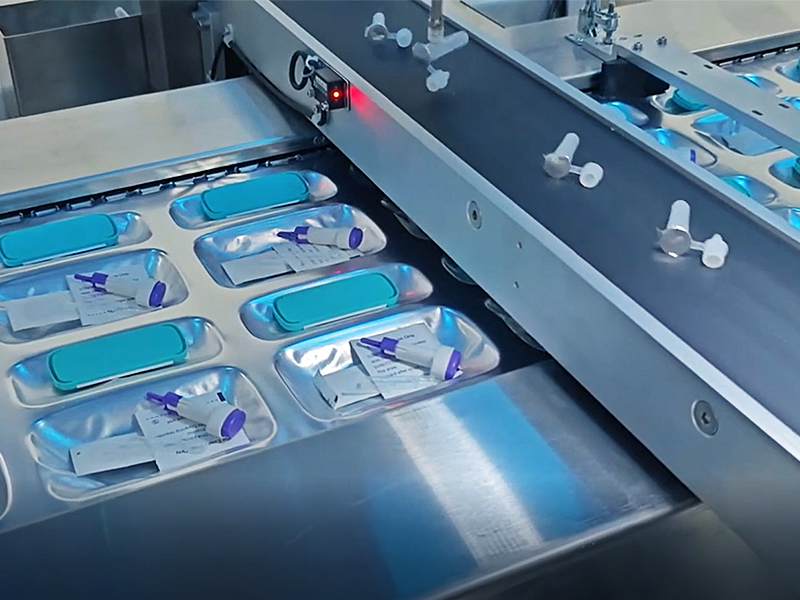
Structural Components of an Automatic Blister Packaging Machine
An automatic blister packaging machine consists of several key components, each playing a vital role in the packaging process:
1. Heating System: The heating system is one of the core components of a blister packaging machine; it utilizes heating elements to raise the plastic film to an appropriate temperature, thereby enabling the forming process. The precision of the heating system's temperature control directly impacts the quality of the formed blister.
2. Forming Mold: The forming mold determines the final shape and dimensions of the package. The design and manufacturing precision of the mold directly influence the accuracy and quality of the forming process. Molds can be customized according to specific product requirements to accommodate items of various shapes and sizes.
3. Vacuum and Pressure System: This system is responsible for pressing the softened film tightly against the surface of the mold to ensure effective forming. The vacuum system achieves this by evacuating the air within the mold cavity, drawing the film firmly against the mold surface, while the pressure system applies pneumatic pressure to the film's exterior to ensure a tight fit.
4. Cooling and Cutting System: The cooling system serves to rapidly cool the formed film, preventing deformation during subsequent processing stages. The cutting system is responsible for severing the formed film into individual packaging units, preparing them for downstream operations.
5. Automated Control System: Modern automatic blister packaging machines are typically equipped with advanced automated control systems. These systems allow for the programmable configuration and real-time monitoring of various parameters—such as temperature, pressure, and speed—throughout the packaging process, thereby ensuring the stability and consistency of the entire operation.
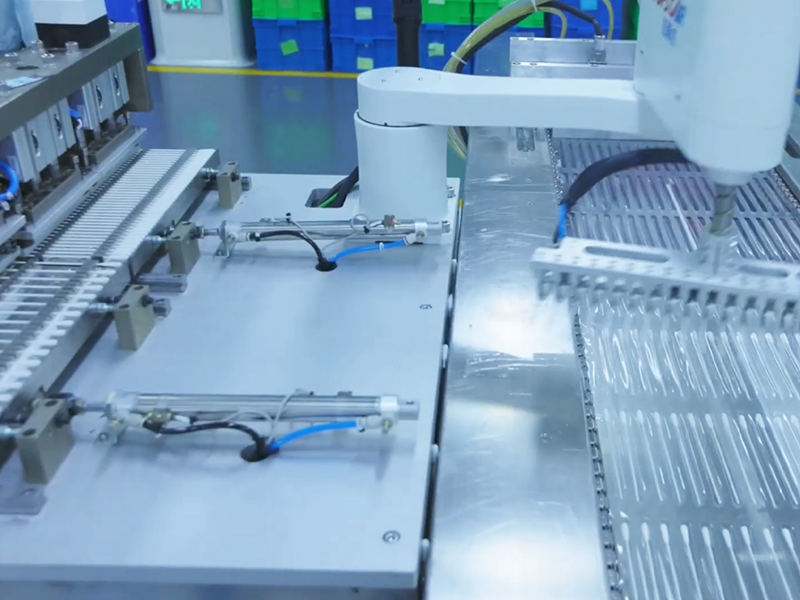
As a pivotal piece of equipment in modern packaging technology, the automatic blister packaging machine—distinguished by its high efficiency, precision, and broad applicability—has become an essential tool for industries seeking to enhance both production efficiency and product quality. With the continued advancement of industrial automation, the functionality and performance of blister packaging machines are set to undergo continuous improvement, delivering greater economic benefits and market competitiveness to enterprises. Moving forward, automatic blister packaging machines will continue to play a significant role across diverse industries, driving the progress and innovation of packaging technology.