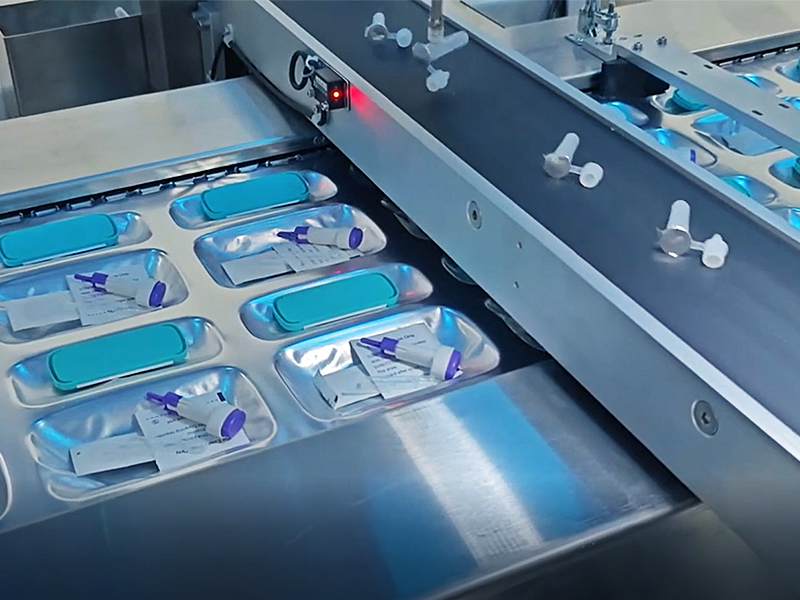
Automated Assembly Line Manufacturers: Key Drivers of the Industry 4.0 Era
In today's era of Industry 4.0, automated assembly lines have become indispensable production tools across major manufacturing sectors. Manufacturers of automated assembly lines—acting as key drivers in this field—play a pivotal role. They not only provide various enterprises with highly efficient production equipment but also drive technological innovation and productivity enhancements throughout the entire manufacturing industry. This article will explore the role, technical advantages, market demand, and future development trends of automated assembly line manufacturers.
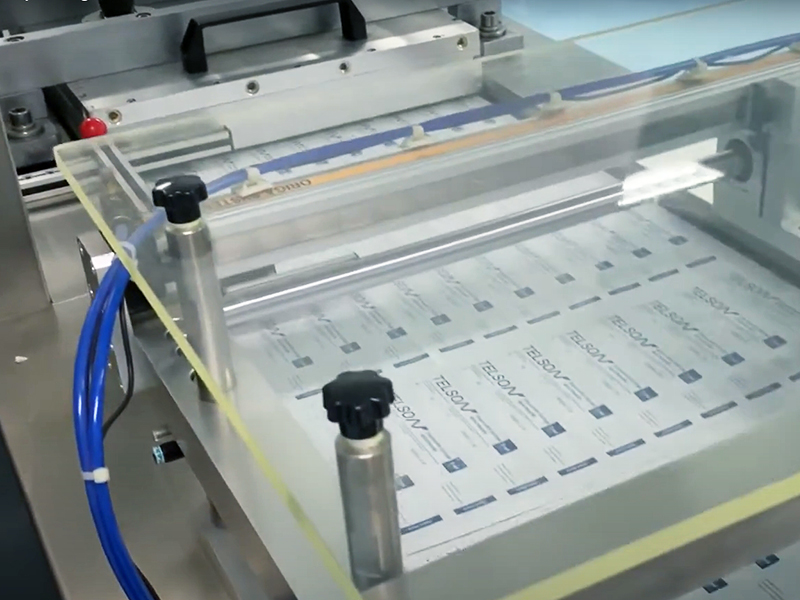
The Importance of Automated Assembly Line Manufacturers
Manufacturers of automated assembly lines serve as primary suppliers of production equipment for the manufacturing sector; their products and services directly impact an enterprise's production efficiency and market competitiveness. Automated assembly lines integrate the various stages of the production process, enabling continuous, stable, and highly efficient manufacturing operations. This results in significantly improved production efficiency, reduced errors associated with manual labor, and lower production costs.
These manufacturers typically possess robust R&D capabilities and extensive industry experience, enabling them to provide customized automation solutions tailored to the specific needs of their clients. These solutions encompass not only the design, manufacturing, and installation of production lines but also subsequent maintenance and upgrade services. Through close collaboration with enterprises, automated assembly line manufacturers facilitate the transition from traditional production models to modern, intelligent manufacturing paradigms.
Technical Advantages of Automated Assembly Line Manufacturers
1. Customized Design: Manufacturers of automated assembly lines typically possess advanced capabilities in customized design. They are able to design assembly line solutions that are perfectly suited to a client's specific production requirements and product characteristics. This bespoke service ensures that the assembly line integrates seamlessly with the enterprise's existing production workflows, thereby maximizing production efficiency.
2. Advanced Automation Technologies: In the research, development, and manufacturing of production equipment, automated assembly line manufacturers typically leverage the latest automation technologies and machinery. For instance, robotics, the Internet of Things (IoT), and artificial intelligence (AI) are now widely deployed in modern automated assembly lines. The application of these technologies not only boosts production efficiency but also significantly enhances the intelligence and flexibility of the manufacturing process.
3. Stable and Reliable Product Quality: Given that automated assembly lines are required to operate continuously and stably over extended periods, the reliability and consistency of product quality are of paramount importance. Reputable manufacturers of automated assembly lines typically utilize high-quality materials and advanced manufacturing processes during equipment production to ensure durability and reliability, thereby reducing equipment failure rates and lowering maintenance costs.
4. Robust Technical Support and Service: Manufacturers of automated assembly lines typically provide comprehensive technical support and after-sales services, including installation and commissioning, operator training, equipment maintenance, and technical upgrades. These services enable enterprises to resolve issues promptly during operation, thereby ensuring the smooth and uninterrupted functioning of the production line.
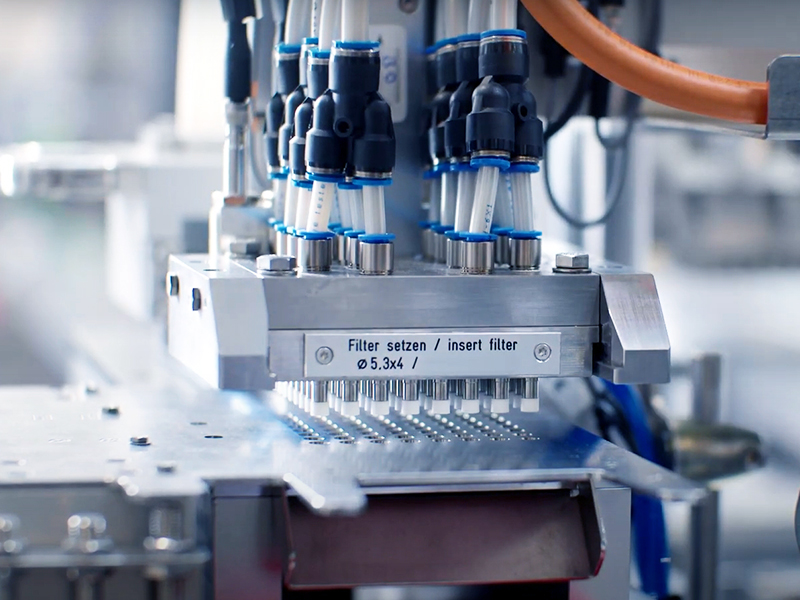
Market Demand and Application Fields
With the advancement of industrial automation and digitalization, market demand for automated assembly lines continues to rise. Manufacturers of automated assembly lines are also constantly expanding the application scope of their products. The following are several key areas of market demand and application:
1. Automotive Manufacturing: The automotive industry represents one of the most significant application fields for automated assembly lines. These lines are capable of effectively handling the complex processes and high-precision requirements inherent in automobile production, thereby substantially boosting production efficiency and product quality.
2. Electronics Manufacturing: In the electronics sector, equipment provided by automated assembly line manufacturers enables the precise assembly of high-density electronic components, ensuring product precision and consistency. This capability is particularly crucial in the rapidly evolving electronics market.
3. Food and Beverage: The food and beverage industry imposes extremely rigorous hygiene standards on production processes. Automated assembly lines facilitate a fully enclosed, contamination-free production environment, thereby guaranteeing food safety. Concurrently, the adoption of automated equipment has significantly enhanced production efficiency and output volume.
4. Pharmaceuticals and Chemicals: The pharmaceutical and chemical industries demand exceptional precision and safety throughout their production processes. Automated assembly lines ensure that operations within high-hazard or high-precision environments minimize risks associated with human intervention, thereby safeguarding both product quality and safety.
Future Development Trends
Driven by continuous technological advancements, the development trajectory of automated assembly line manufacturers is characterized by the following key trends:
1. Intelligentization: In the future, automated assembly lines will become increasingly intelligent. By integrating artificial intelligence (AI) and big data analytics, production lines will gain the capability for self-monitoring and self-adjustment, thereby enhancing production flexibility and efficiency.
2. Green and Eco-friendly Design: As environmental awareness grows, manufacturers of automated assembly lines will place greater emphasis on energy-efficient designs and eco-friendly performance. The development of automated assembly lines characterized by low energy consumption and low emissions is poised to become a pivotal direction for future growth.
3. Flexible Manufacturing: In response to rapidly shifting market demands, flexible manufacturing is emerging as a key trend in the evolution of automated assembly lines. Flexible production lines possess the agility to quickly adapt to the specific production requirements of diverse products, thereby reducing the time and costs associated with reconfiguring production lines.
4. Global Expansion: As the global manufacturing sector undergoes transformation and upgrading, manufacturers of automated assembly lines will accelerate their penetration of global markets. By further expanding their international presence, they aim to meet the worldwide demand from enterprises for automated production equipment.
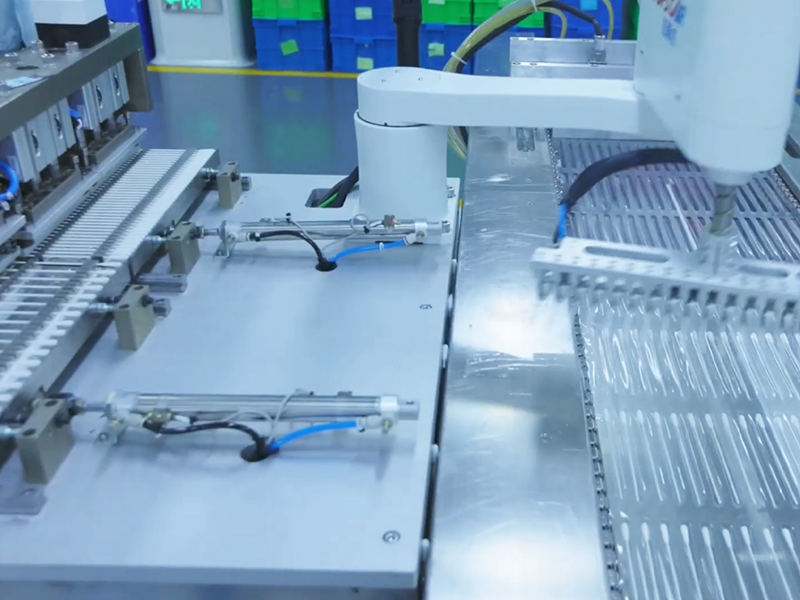
As key drivers of modern manufacturing, automated assembly line manufacturers provide efficient and stable production solutions across diverse industries through continuous innovation and technological advancement. With the advent of the Industry 4.0 era, the application of automated assembly lines is set to become even more widespread, presenting manufacturers with significant opportunities for further growth. Moving forward, manufacturers of automated assembly lines will continue to play a pivotal role in advancing the process of industrial automation, thereby contributing to the intelligent transformation of the global manufacturing sector.