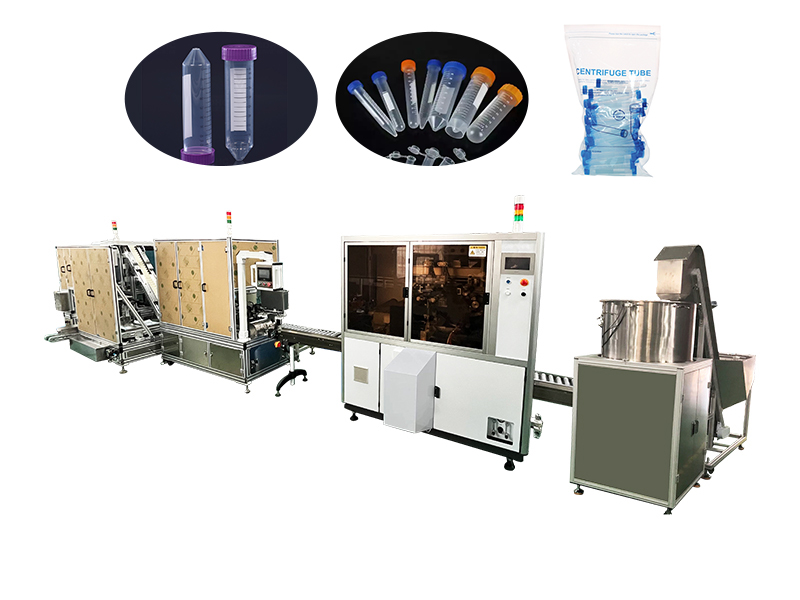
A powerful tool for boosting productivity through fully automated production lines.
A fully automated assembly line is a production system comprising multiple interconnected automated devices that execute the various stages of transforming raw materials into finished products—continuously and efficiently—according to a specific manufacturing process. The entire process requires little to no human intervention; utilizing programmed settings and sensor feedback, the equipment automatically handles tasks such as material transport, processing, inspection, and packaging, thereby achieving true "unmanned" production.
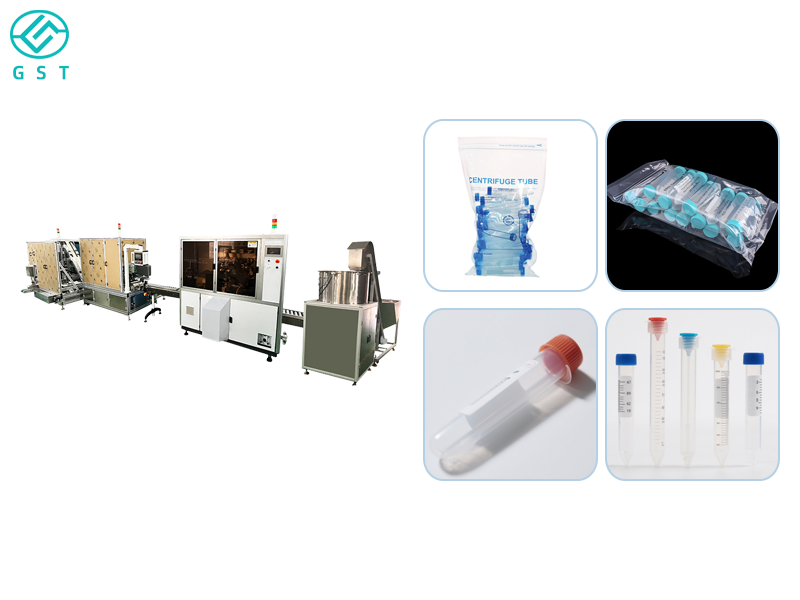
Key Characteristics of Fully Automated Assembly Lines
High-Efficiency Continuous Operation: Production stages are seamlessly integrated, enabling 24-hour non-stop operation and significantly boosting production capacity.
Intelligent Control Systems: Smart components—such as PLCs, industrial PCs, and sensors—enable real-time monitoring, data acquisition, and automated handling of anomaly alerts throughout the production process.
Flexible Production: Advanced assembly lines can rapidly switch processes based on the product, accommodating the needs for multi-variety, small-batch, and even customized production.
High Stability and Consistency: Automated mechanical operations minimize human error, ensuring a high level of product quality consistency and stability.
Labor Cost Savings: Automated equipment replaces roles that traditionally required multiple workers, drastically reducing labor input and enhancing overall economic efficiency.
Advantages of Fully Automated Assembly Lines
Enhanced production efficiency: Seamless coordination across stages significantly shortens production cycles.
Reduced production costs: Lowers labor requirements, energy consumption, and material waste.
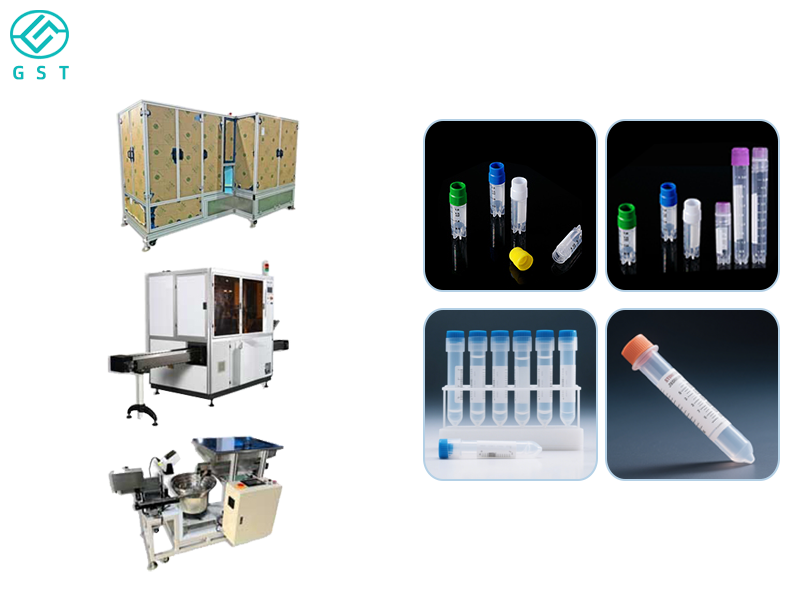
Improved product quality: Automated equipment operates strictly according to standards, reducing defect rates.
Optimized management: Data-driven and visual management makes the production process more controllable and transparent.
Strengthened market competitiveness: Enables rapid response to market changes and accelerates time-to-market for new products.
A complete, fully automated production line typically comprises the following modules:
Feeding System: Equipment such as automatic loaders and feed conveyors transports raw materials to the processing machinery.
Processing System: Includes CNC machine tools, welding robots, and stamping presses to execute the core manufacturing processes.
Inspection System: Ensures in-process quality control using equipment for visual, weight, and dimensional inspections.
Handling System: Utilizes robotic arms, Automated Guided Vehicles (AGVs), and similar technologies to automate material transfer between process stages.
Packaging and Warehousing System: Handles the packaging of finished goods via automatic packaging machines, case sealers, and palletizing robots, followed by automated entry into storage.
Central Control System: Integrates all modules, coordinates the transmission of commands, and monitors production status in real time.
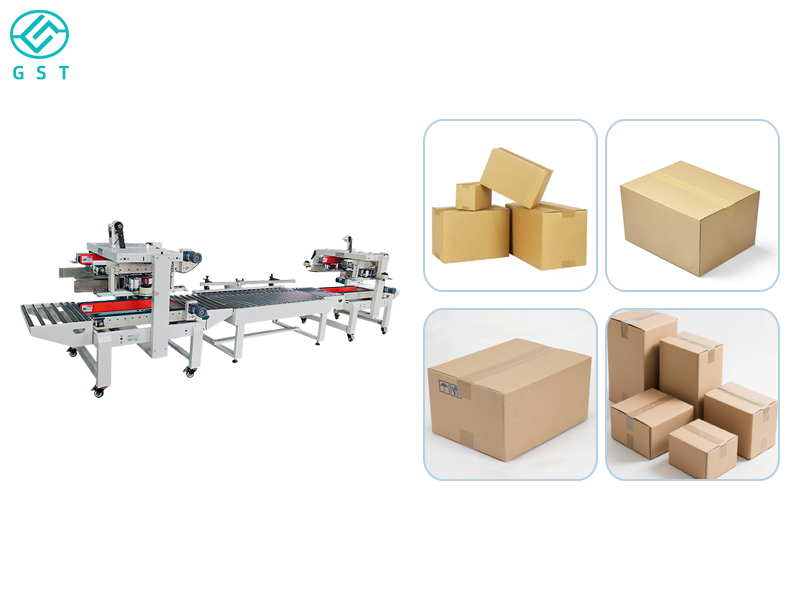
Overall, a fully automated production line is not only a powerful tool for boosting productivity but also a key driver of the digital and intelligent transformation of the manufacturing sector. As technology advances and market demands evolve, future automated production lines will become increasingly intelligent, efficient, and eco-friendly, serving as a core pillar for high-quality corporate development. For enterprises striving to remain at the forefront of the industry, investing in fully automated production lines is undoubtedly a strategic move to secure a competitive advantage in the future.