Automatic screen printing machines are key equipment in modern manufacturing.
Automatic screen printing machines primarily consist of a screen stencil, a squeegee, an ink supply system, and a printing platform, utilizing robotic arms or conveyor systems to execute printing operations automatically. The fundamental principle involves forcing ink through the patterned areas of the screen onto the substrate's surface under squeegee pressure, while the non-patterned areas block the ink. The entire printing process is governed by preset system programs, eliminating the need for manual intervention and enabling highly efficient, continuous operation.
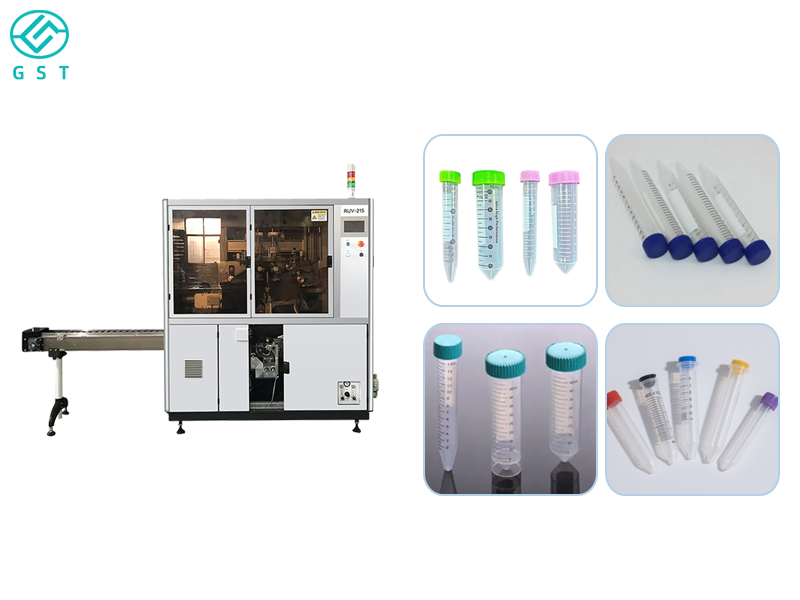
Key Advantages of Automatic Screen Printing Machines
Increased Production Efficiency: These machines feature integrated systems for automatic feeding, positioning, printing, and unloading, enabling high-speed, continuous production and significantly boosting output capacity.
Consistent Print Quality: Compared to manual operations, automated equipment maintains greater uniformity and stability regarding pressure, speed, and angle. This results in sharper patterns, consistent ink thickness, and higher product yield rates.
Reduced Labor Costs: A small number of operators can control the equipment, and multiple machines can be managed centrally. This drastically reduces labor requirements and enhances the enterprise's production efficiency.
Support for Diverse Materials: Automatic screen printing machines are compatible with a wide range of materials—including plastic, glass, metal, ceramics, and paper—and are widely used for products such as printed circuit boards (PCBs), membrane switches, panel markings, and pad-printed graphics.
High Flexibility and Customization: Modern automatic screen printing machines are equipped with advanced technologies like multi-axis servo motors and automatic alignment systems. They can accommodate various specifications, shapes, and pattern requirements, making them ideal for small-batch, diversified, and flexible production.
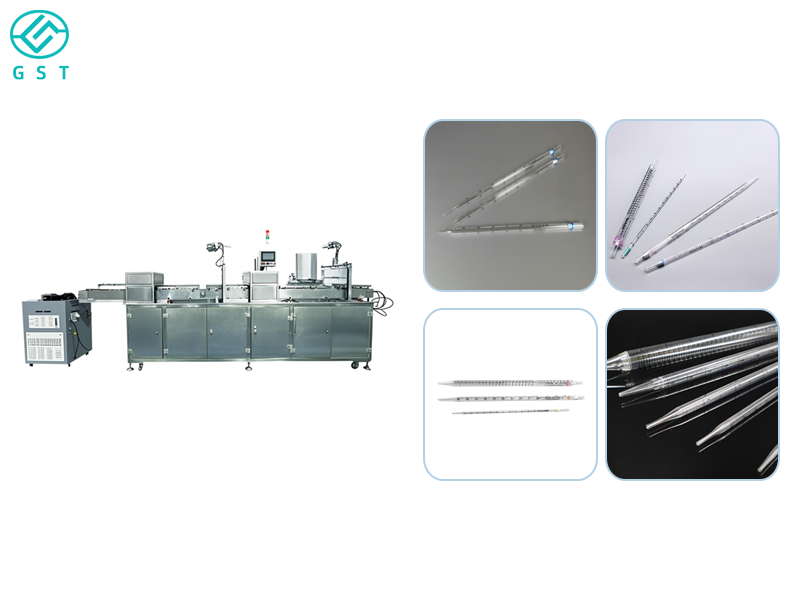
Application Areas of Automatic Screen Printing Machines
Electronics Industry: Includes printing on printed circuit boards (PCBs), touch screens, resistors, and capacitors. High-precision screen printing effectively meets the manufacturing requirements for micro-circuitry and complex patterns.
Optoelectronics Industry: Encompasses solar cell printing, OLED/LED panel patterning, and conductive paste printing on photovoltaic glass; these applications demand high precision and stability.
Packaging Industry: Printing graphics and text on product labels, plastic bottles, and paper cartons; screen printing delivers patterns with a strong sense of depth and rich, vibrant colors.
Automotive Industry: Printing graphics and markings on dashboard panels, switch buttons, and automotive glass.
Medical Devices: Printing markings, scales, and other information on disposable medical supplies; requires high standards of cleanliness and print clarity.
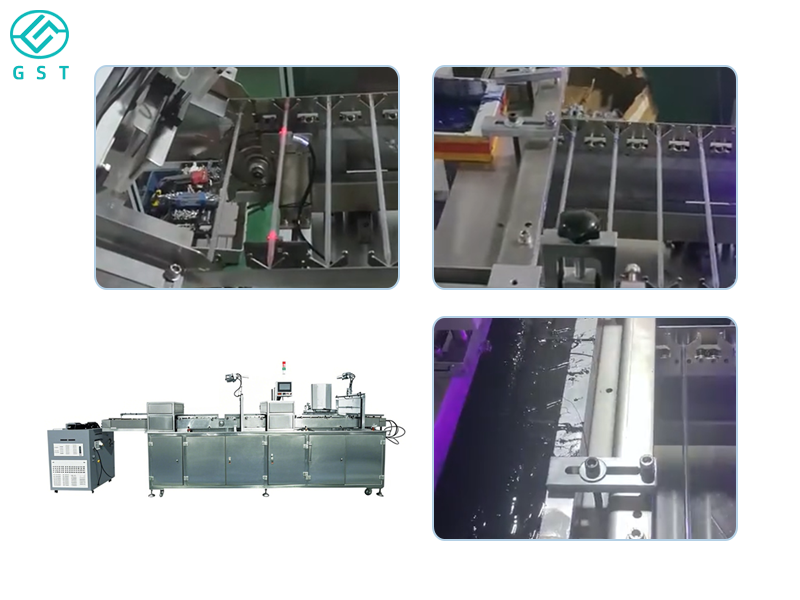
As key equipment in modern manufacturing, automatic screen printing machines not only play a vital role in boosting production efficiency and ensuring product quality but also drive the transformation and upgrading of the traditional screen printing sector toward automation, intelligence, and precision. With the development of new materials and processes, automatic screen printing machines will play an indispensable role across an even wider range of industries, serving as a crucial technological pillar for high-quality industrial development. For manufacturing enterprises, the active adoption of automatic screen printing equipment represents not only a technological upgrade but also a powerful means to enhance market competitiveness.