Automated production lines help enterprises advance toward intelligent manufacturing and enhance their core competitiveness.
An automated production line is a production system formed by integrating a series of mechanical equipment, sensing systems, control systems, and conveying devices—each with specific functions—through a rational layout. Capable of operating with little to no manual intervention, the system automatically executes production processes such as machining, assembly, inspection, and packaging. Widely used in major industrial sectors—including automotive manufacturing, electronics assembly, pharmaceutical packaging, food processing, and the production of household chemicals—it serves as a core pillar enabling modern factories to achieve high efficiency, superior quality, and low-cost operations.
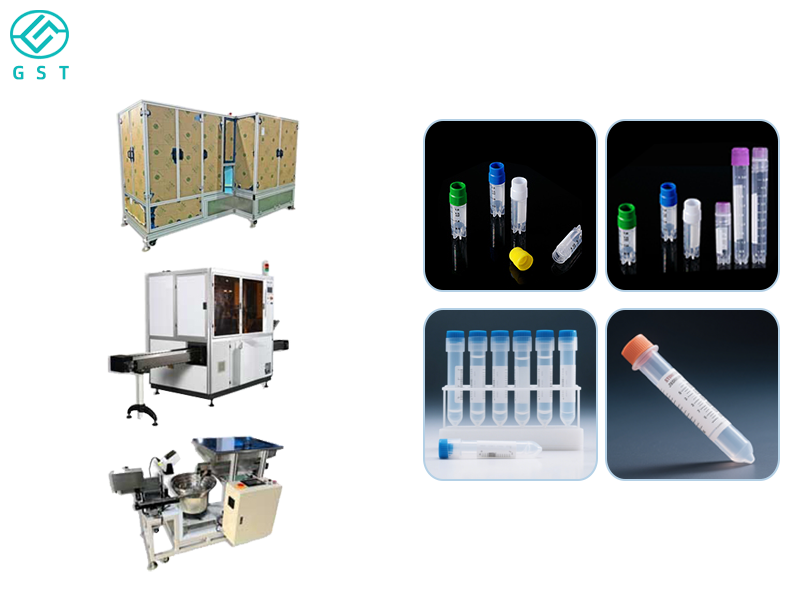
Components of an Automated Production Line
Conveying System: Connects various process stages to facilitate the automatic transfer of materials or products; includes belt conveyors, chain-plate conveyors, roller conveyors, lifting platforms, etc.
Processing Equipment: Various machines configured according to product requirements, such as CNC machine tools, injection molding machines, stamping presses, welding robots, etc.
Automatic Assembly Equipment: Performs precision automated assembly of components; examples include automatic feeders, automatic screw-driving machines, dispensing machines, etc.
Inspection System: Integrates devices such as vision recognition systems, weight sensors, and dimensional measurement tools to ensure product quality.
Control System: Composed of PLCs, industrial PCs, sensors, servo drives, and other components to manage the logic control and intelligent scheduling of the entire production line.
Human-Machine Interface (HMI): Enables operators to monitor and manage the operating status of the entire production line.
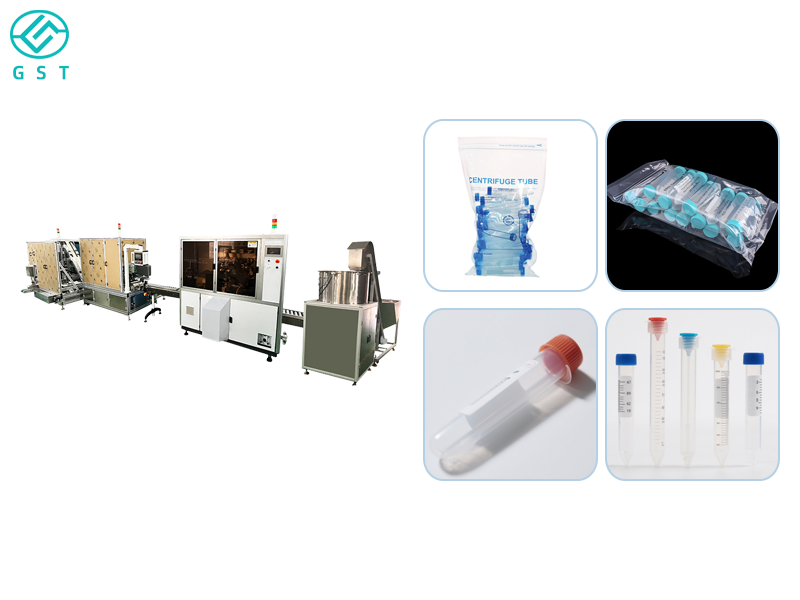
Advantages of Automated Production Lines
Increased Efficiency: Continuous operation and precise control significantly boost production speed.
Cost Reduction: Minimizes the need for manual labor, reduces operational errors, and lowers labor costs.
Consistent Quality: Standardized automated processes effectively eliminate human error and enhance product consistency.
Flexible Adjustment: Advanced automated lines often feature "flexible manufacturing" capabilities, allowing for rapid switching between various product specifications.
Data Visualization: Various data points can be collected during production, supporting big data analysis and intelligent decision-making.
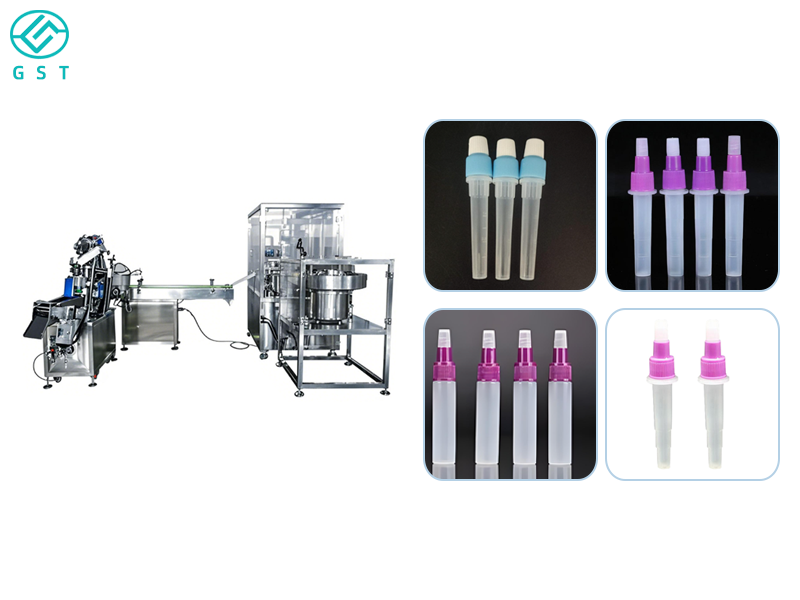
Automated production lines represent a crucial pathway for enterprises to advance toward intelligent manufacturing and enhance their core competitiveness. They not only enable large-scale, high-efficiency production but also provide effective solutions to challenges such as labor shortages and fluctuating market demands. Looking ahead, the deep integration of emerging technologies—such as artificial intelligence, 5G, and the Internet of Things—will drive the continuous evolution of automated production lines toward greater intelligence, flexibility, and sustainability.