Automatic filling equipment serves as a vital force in modern industrial production.
Automatic filling equipment refers to machinery that uses automated processes to precisely fill various packaging containers with materials—such as liquids, pastes, powders, or granules—according to preset quantities. These systems typically integrate functions such as material feeding, metering, filling, sealing, conveying, and inspection to enable high-speed, continuous production, thereby significantly reducing the need for manual labor. Depending on the material type, automatic filling equipment can be categorized into various types, including liquid, paste, powder, and granule filling machines.
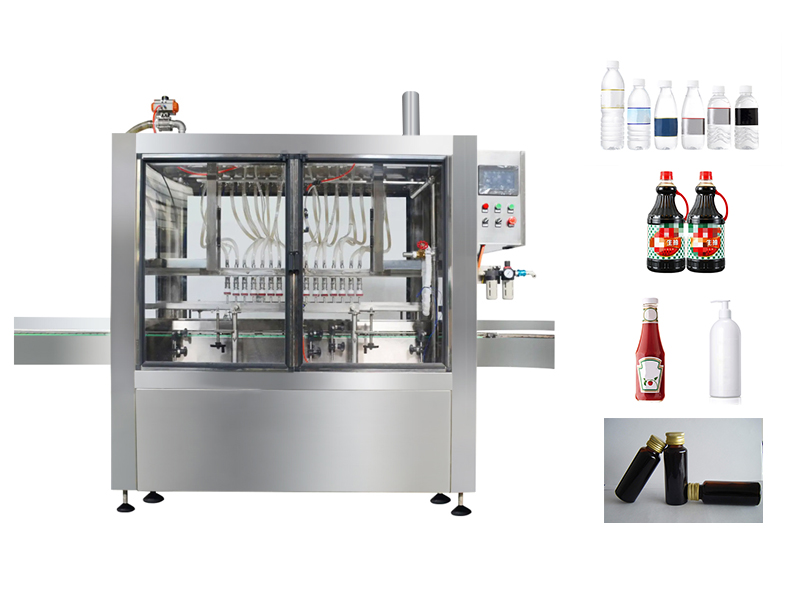
Main Types of Automatic Filling Equipment
Automatic liquid filling equipment: Primarily used for filling free-flowing liquids such as water, oil, beverages, and liquid medicines; commonly found in beverage production lines, edible oil plants, and pharmaceutical facilities.
Automatic paste filling equipment: Designed for filling high-viscosity materials like honey, ketchup, shampoo, and skincare products; often equipped with auxiliary functions such as heating, thermal insulation, and stirring.
Automatic powder filling equipment: Suitable for materials such as milk powder, flour, coffee powder, and medicinal powders; features dust-prevention mechanisms and high-precision weighing systems.
Automatic granule filling equipment: Ideal for the quantitative filling of granular products like candies, nuts, capsules, and grains, balancing filling speed with precision.
In addition, as market demands diversify, multifunctional combination filling systems have emerged, capable of handling multiple material types or accommodating various packaging specifications simultaneously.
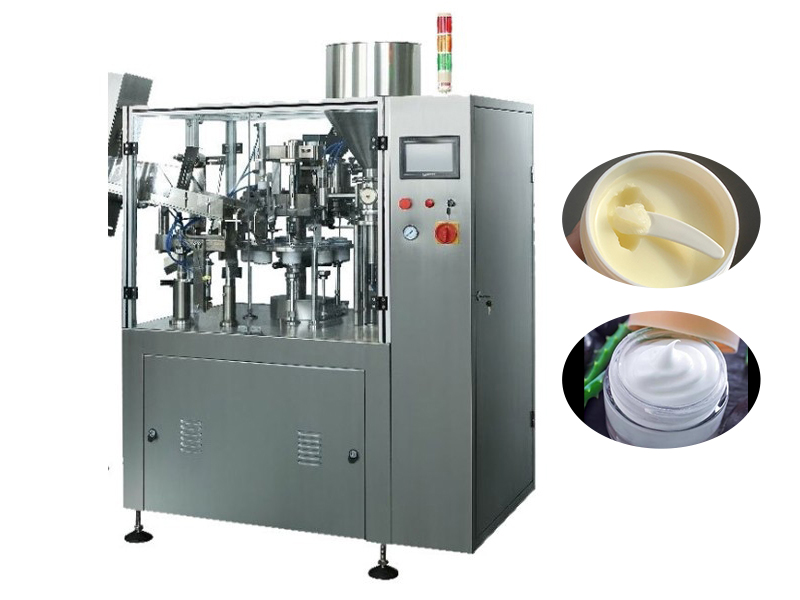
Advantages of Automated Filling Equipment
Significantly boosts production efficiency: The equipment enables continuous 24-hour operation, far surpassing manual filling in terms of speed and consistency.
Ensures product consistency and precision: Intelligent control systems precisely regulate the fill volume for each bottle or pouch, effectively minimizing error rates.
Reduces labor costs: High levels of automation drastically lower the reliance on large workforces and specialized operator skills.
Enhances corporate image and product competitiveness: Standardized packaging builds consumer confidence in the brand's professionalism and product quality.
Facilitates traceability and quality control: Advanced models feature data logging and tracking systems, simplifying quality management and issue traceability.
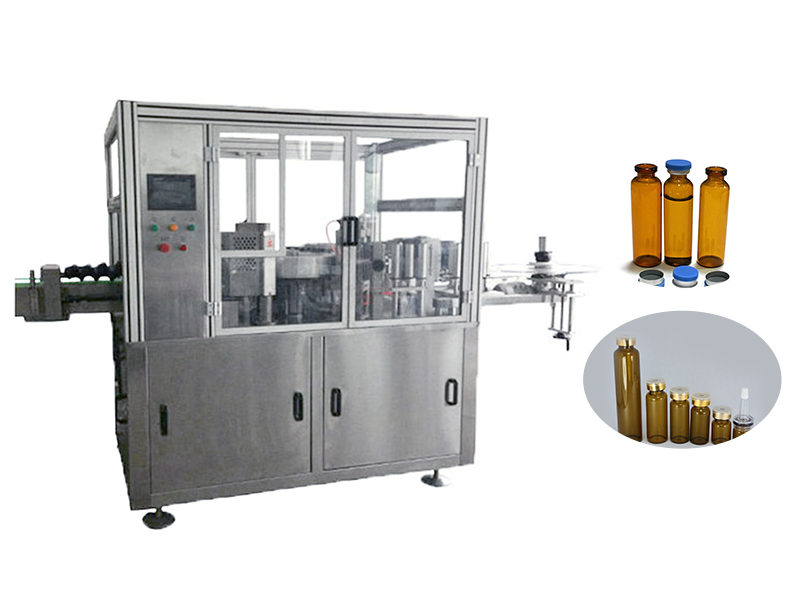
In summary, automated filling equipment serves as a vital pillar of modern industrial production, continuously evolving toward greater intelligence, efficiency, and environmental sustainability. For enterprises, the strategic adoption and utilization of this equipment not only significantly improves production efficiency and product quality but also strengthens market competitiveness and long-term sustainability.