Automated Beverage Production Lines: Key Technologies for Enhancing Efficiency and Quality
As consumer demand for beverage products continues to grow, beverage manufacturers are facing increased production pressures and more stringent quality requirements. To meet market demands, companies are increasingly adopting automated beverage production lines to boost production efficiency, ensure product quality, and reduce manufacturing costs. This article explores the components, advantages, application areas, and future development trends of automated beverage production lines.
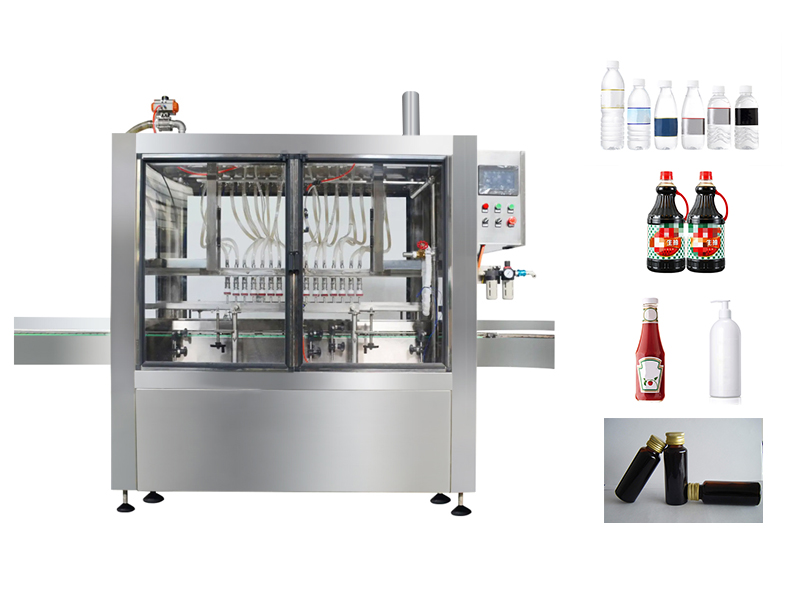
Components of an Automated Beverage Production Line
An automated beverage production line typically consists of multiple interconnected subsystems that operate in coordination via an automated control system, enabling fully automated production—from raw material processing to final product packaging.
1. Raw Material Processing System: Raw material processing is the first step in beverage production. Automated processing systems enable the precise proportioning and mixing of ingredients—such as water, syrups, fruit juices, and carbon dioxide—thereby ensuring consistent taste and quality across every production batch.
2. Filling System: The filling system constitutes the core of an automated beverage production line; it is responsible for accurately dispensing the mixed beverage into bottles or cans. Modern filling systems utilize high-speed filling technologies and precision filling heads to ensure both filling accuracy and production speed.
3. Sterilization System: To ensure beverage safety, automated production lines are equipped with highly efficient sterilization systems—such as pasteurization, ultra-high-temperature (UHT) sterilization, or UV sterilization—which effectively eliminate microorganisms within the beverage and extend the product's shelf life.
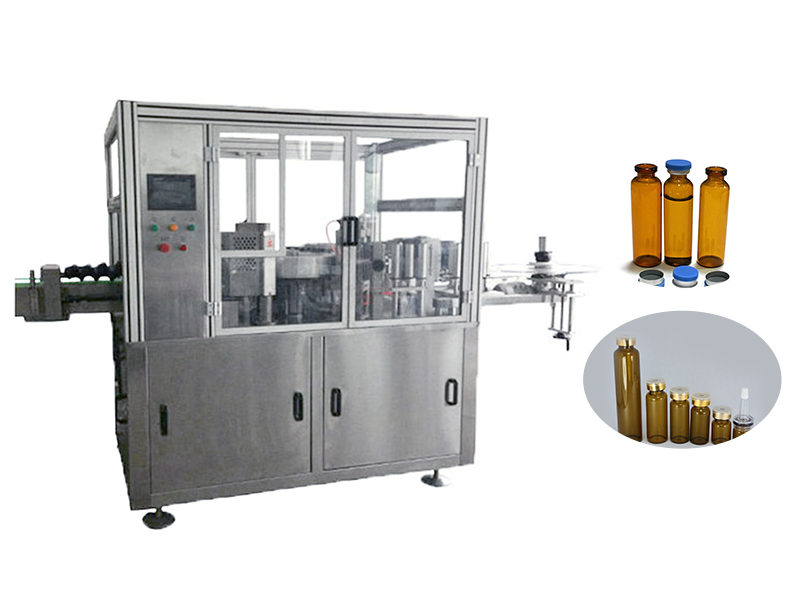
4. Sealing and Labeling System: Once filling is complete, the beverage containers must be sealed and labeled. Automated sealing systems rapidly and securely seal the containers, while labeling systems accurately affix labels to the container surfaces, ensuring a neat and aesthetically pleasing product appearance.
5. Packaging System: The automated packaging system is responsible for the secondary packaging of the sealed beverage containers—including boxing, shrink-wrapping, and palletizing. Fully automated packaging systems execute these operations with speed and efficiency, thereby significantly boosting the overall productivity of the production line.
6. Inspection System: To ensure product quality, automated beverage production lines are typically equipped with automatic inspection systems—such as weight checks, leak detection, cap verification, and label positioning checks—to guarantee that every bottle of beverage meets established quality standards.
7. Central Control System: Utilizing PLCs (Programmable Logic Controllers) or industrial computers, the central control system monitors and coordinates the various subsystems of the production line in real time. This enables fully automated management of the production process, ensuring the line operates with high efficiency and stability.
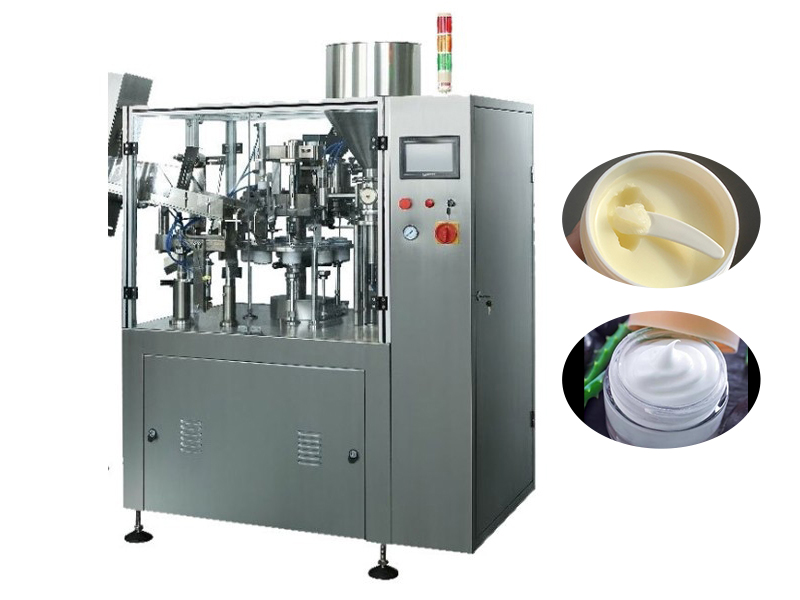
Advantages of Automated Beverage Production Lines
1. High Efficiency: Through the extensive application of mechanized and automated equipment, automated beverage production lines significantly boost production speed and overall efficiency. Compared to traditional manual operations, automated lines can produce a much larger volume of beverage products within the same timeframe.
2. High Precision: Automated equipment enables high-precision filling, capping, and packaging operations, ensuring consistency in the fill volume, seal integrity, and packaging completeness of every bottle. This vastly improves the stability and consistency of product quality.
3. Reduced Production Costs: By minimizing manual intervention and maximizing production efficiency, automated beverage production lines can significantly lower production costs. The introduction of automated systems reduces reliance on human labor—thereby lowering labor costs—and simultaneously minimizes material waste.
4. Enhanced Product Quality: Through precise control and monitoring, automated production lines provide superior quality assurance for products, mitigating quality issues that might otherwise arise from human error. Furthermore, the integration of sterilization and inspection systems ensures the hygienic safety of the beverages.
5. Flexibility: Modern automated beverage production lines feature flexible designs capable of quickly adapting to the production requirements of various beverage types—including carbonated drinks, fruit juices, and mineral water. The modular design of the equipment allows the production line to rapidly switch between production tasks in response to changing market demands.
Application Areas of Automated Beverage Production Lines
1. Carbonated Beverages: Automated production lines are widely utilized in the production of carbonated beverages. Through high-speed filling and precise ingredient blending, they ensure that every bottle of carbonated beverage maintains a consistent taste and sufficient carbonation.
2. Fruit Juice Beverages: In fruit juice production, automated lines effectively control juice concentration and sweetness levels, ensuring that the natural flavor and nutritional content of the juice remain intact.
3. Bottled Water: Bottled water production lines employ automated technology to automate the entire process—from water purification, filling, and capping to packaging—thereby guaranteeing the purity and safety of the bottled water.
4. Functional Beverages: The production of functional beverages demands precise control over nutritional components and functional additives. Automated production lines are capable of meeting these high-precision manufacturing requirements, ensuring the functional stability of the final products.
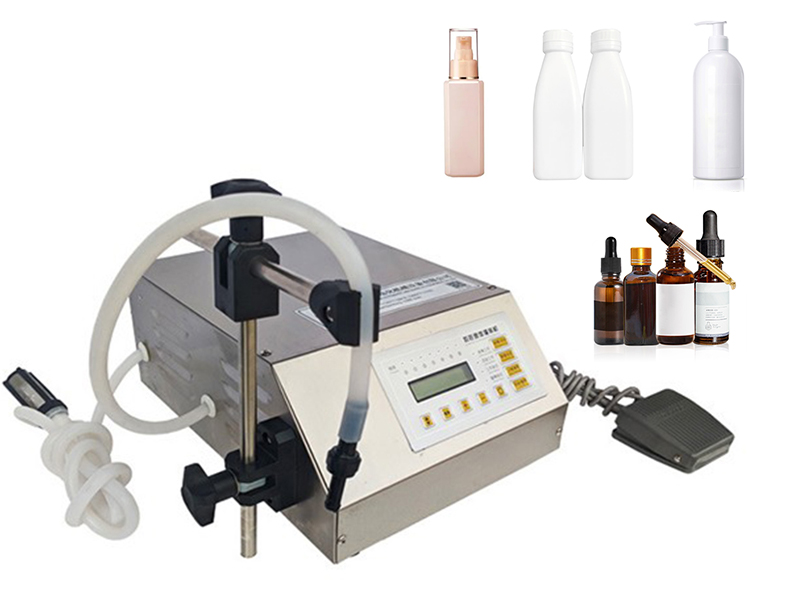
Development Trends in Automated Beverage Production Lines
1. Intelligentization: With the advancement of Industry 4.0, automated beverage production lines are evolving toward greater intelligence. By incorporating Internet of Things (IoT) and big data analytics technologies, production lines can achieve self-monitoring, self-adjustment, and self-optimization, thereby enhancing production efficiency and product quality.
2. Green Production: Environmental protection and energy conservation represent key directions for the future of beverage production. Automated production lines will increasingly prioritize energy efficiency and emission reduction, adopting more efficient energy utilization and waste treatment technologies to drive sustainable production practices.
3. Modular Design: Modular design renders automated beverage production lines more flexible, enabling them to respond rapidly to market fluctuations. In the future, production lines will place greater emphasis on modularity to facilitate quick adjustments and upgrades, thereby accommodating diverse production requirements.
4. Globalized Markets: As globalization continues to advance, beverage manufacturers will continue to expand their presence in international markets. Manufacturers of automated beverage production lines must understand the specific market demands of different regions and provide equipment and services that comply with local standards, thereby supporting their clients' global strategic expansion.
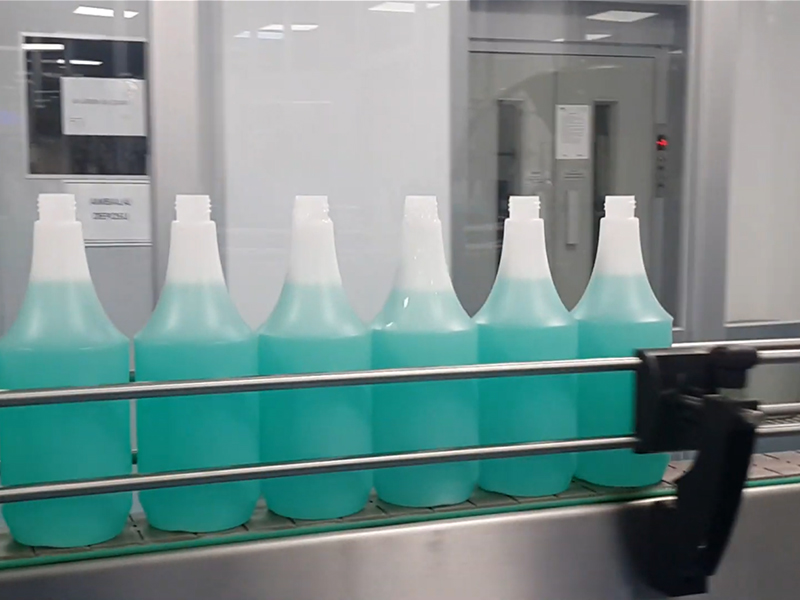
In summary, automated beverage production lines offer significant advantages in terms of boosting production efficiency, ensuring product quality, and reducing production costs. With the advancement of trends in intelligent manufacturing, green production, and globalization, automated beverage production lines will continue to play a pivotal role in the beverage industry, providing enterprises with more efficient and reliable production solutions.