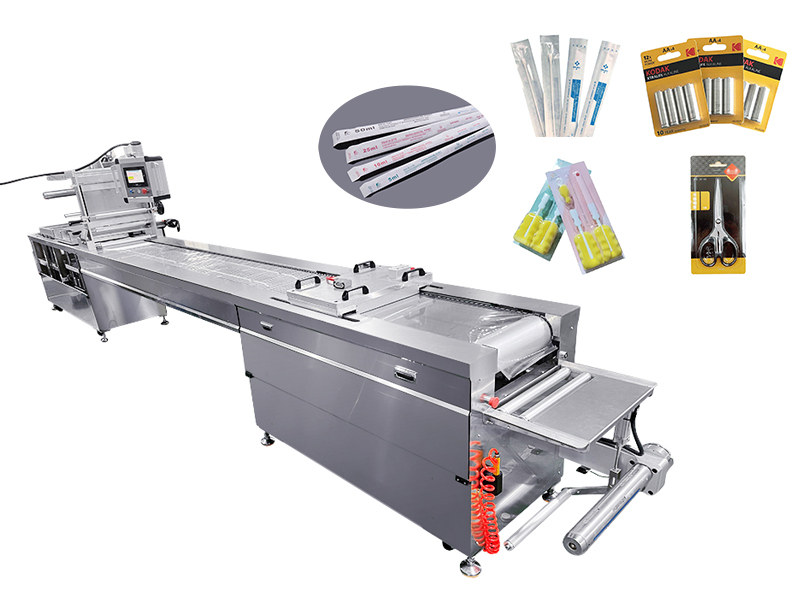
Application and Development Trends of Automatic Packaging Machinery and Equipment
In modern industrial production, automated packaging machinery has become a vital tool for enhancing production efficiency and reducing costs. Driven by diversifying market demands and enterprises' ever-increasing requirements for product quality, automated packaging machinery has found widespread application across numerous sectors, including food, pharmaceuticals, chemicals, and electronics. This article explores the primary application fields, technical characteristics, and future development trends of automated packaging machinery.
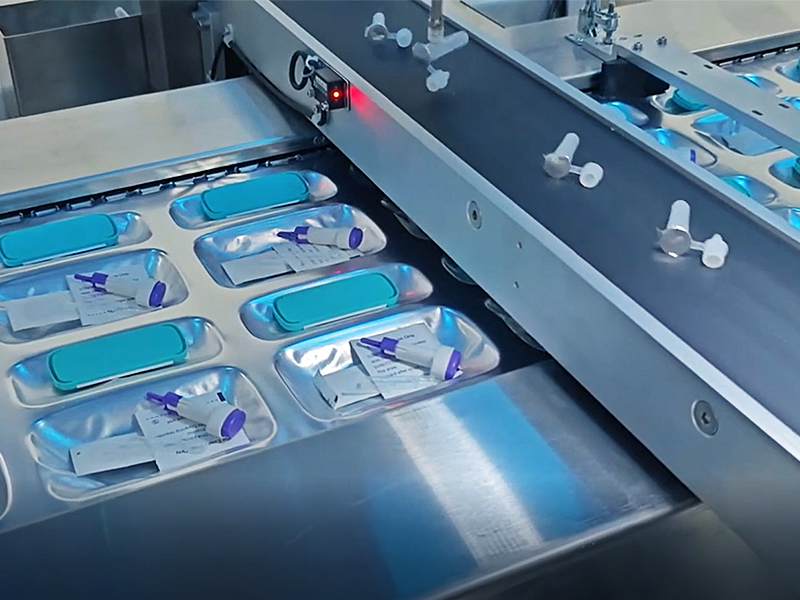
Automated packaging machinery is widely utilized across various industries, playing an indispensable role in the production process. Its primary application fields include:
1. Food Industry: The food industry represents one of the most extensive application fields for automated packaging machinery. Ranging from bulk goods to beverages, and from condiments to frozen foods, automated packaging equipment provides food enterprises with highly efficient and secure packaging solutions. Beyond boosting production efficiency, this equipment ensures product hygiene and freshness, thereby meeting consumers' stringent demands for food safety.
2. Pharmaceutical Industry: In the pharmaceutical sector, automated packaging machinery is primarily employed for processes such as filling, labeling, and sealing medications. Given the exceptionally high standards for hygiene and precision required in pharmaceutical packaging, the use of automated machinery ensures that medications remain in a sterile state throughout the packaging process, prevents cross-contamination, enhances packaging accuracy, and guarantees the safety and efficacy of the drugs.
3. Chemical Industry: Since chemical products often take the form of liquids, powders, or granules, automated packaging machinery offers specialized packaging solutions tailored to the specific characteristics of these substances. For instance, automated liquid filling machines for chemicals can precisely control filling volumes—preventing leaks and waste—while simultaneously ensuring safety throughout the packaging operation.
4. Electronics Industry: In the production of electronic products, packaging serves not only to protect the goods but also as a crucial means of elevating product prestige and market competitiveness. Automated packaging machinery enables the precise packaging of electronic products, safeguarding electronic components against potential damage from static electricity, dust, and other environmental factors, thereby enhancing both the efficiency and quality of the packaging process.
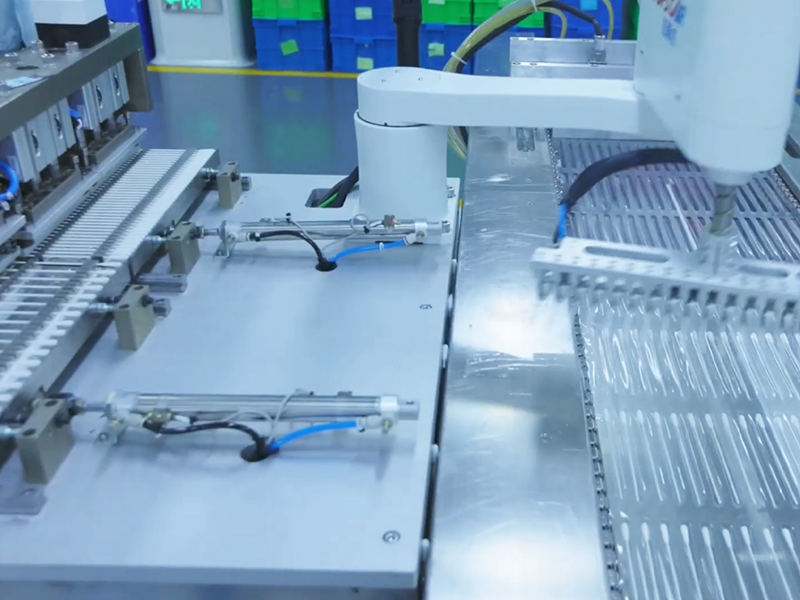
The widespread adoption of automated packaging machinery across such a diverse range of industries is primarily attributable to the following technical characteristics:
1. High Efficiency: Automated packaging machinery is capable of completing the packaging of large volumes of products within a short timeframe. Their highly efficient operation not only boosts a company's production efficiency but also shortens product manufacturing cycles, thereby meeting market demands for rapid delivery.
2. Precision: Modern automated packaging machinery and equipment are capable of achieving extremely high levels of precision across various stages, including weighing, filling, and sealing. This precision not only ensures packaging consistency but also minimizes product loss resulting from packaging errors, thereby enhancing the overall economic efficiency of the product.
3. Versatility: Automated packaging machinery typically integrates multiple functions into a single unit—such as automatic weighing, filling, sealing, labeling, and printing. This versatility enables the equipment to adapt to the diverse packaging requirements of different products, allowing enterprises to package a variety of goods without the need to frequently switch out machinery.
4. Intelligence: Driven by advancements in artificial intelligence technology, automated packaging machinery is progressively becoming more intelligent. Intelligent equipment can autonomously adjust packaging parameters based on specific product characteristics and production demands; furthermore, it can automatically detect and resolve malfunctions, thereby enhancing both operational efficiency and safety.
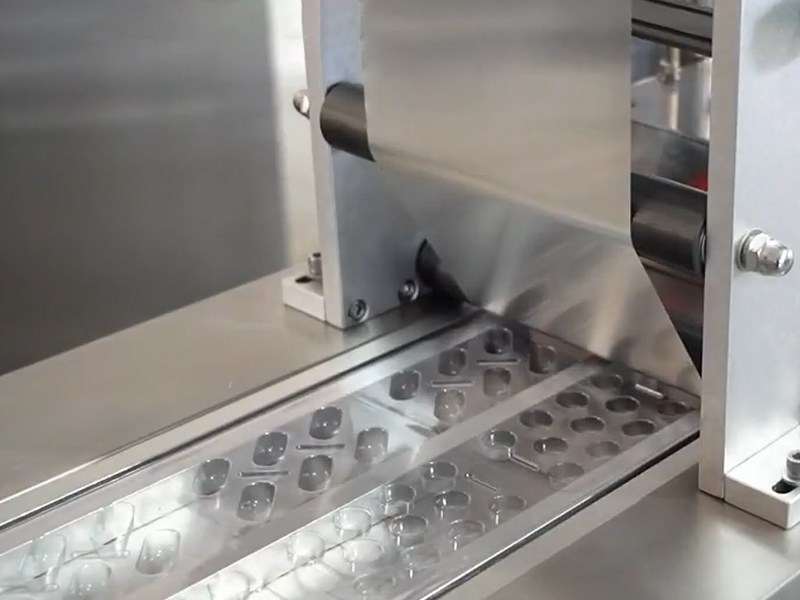
As a vital component of modern industrial production, automated packaging machinery is empowering enterprises to boost both production efficiency and product quality through its hallmarks of high efficiency, precision, versatility, and intelligence. With the continuous advancement of technology, automated packaging machinery is poised to play an even more significant role across an expanding range of sectors. When selecting automated packaging equipment, enterprises should carefully assess their specific production requirements and market dynamics to identify the most suitable machinery, thereby maximizing production benefits and fostering sustainable corporate growth.