High-Precision Screen Printing Machine: A Revolutionary Tool for Industrial Printing
High-precision screen printing machines are indispensable equipment in modern industrial production, widely utilized across industries such as electronics, photovoltaics, automotive, textiles, and packaging. Driven by technological advancements and ever-increasing market demands, the technology behind high-precision screen printing machines continues to evolve, achieving significant progress in terms of precision, efficiency, and automation levels. This article will delve into the working principles, technical characteristics, application fields, and the impact of high-precision screen printing machines on industrial production.
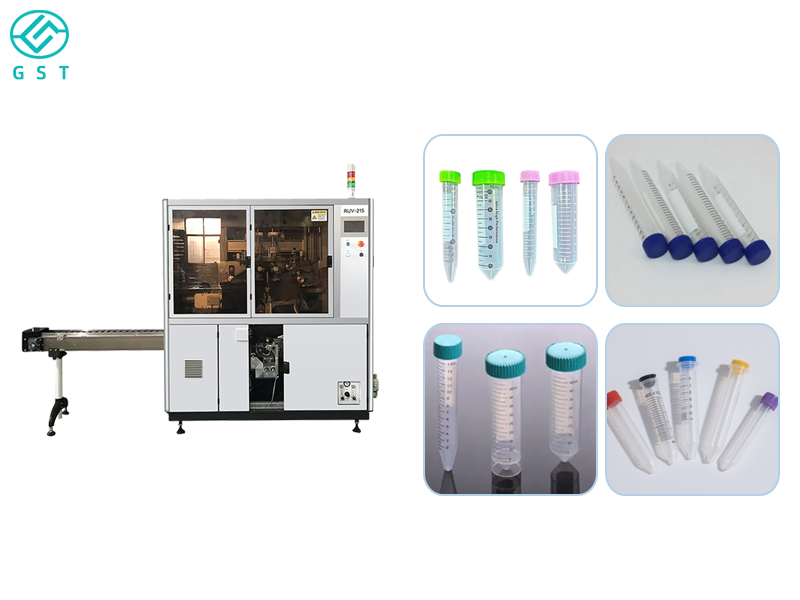
Working Principles of High-Precision Screen Printing Machines
A screen printing machine is a printing device that transfers ink onto a substrate using a mesh screen (stencil). Compared to traditional screen printing machines, high-precision models offer superior accuracy and stability, capable of achieving printing resolutions at the micron level. Their working principles primarily involve the following steps:
1. Stencil Preparation: The desired pattern to be printed is created on a mesh screen using techniques such as photolithography or laser engraving. On the screen, the pattern areas are permeable to ink, while the non-pattern areas are impermeable.
2. Ink Application: A uniform layer of ink is applied to the non-patterned areas of the screen. The ink is allowed to pass only through the mesh openings within the pattern areas, while the ink in other regions is blocked.
3. Printing: During the printing process, the mesh screen comes into contact with the substrate (such as glass, ceramics, metal, or plastic). A squeegee is then used to press the ink through the mesh openings, thereby forming the precise pattern.
4. Curing: Once printing is complete, the ink must be cured onto the surface of the substrate using methods such as heat, ultraviolet (UV) light, or infrared (IR) radiation to ensure the durability and stability of the printed pattern.
Technical Characteristics of High-Precision Screen Printing Machines
1. High-Precision Printing: The core characteristic of high-precision screen printing machines is their ability to achieve ultra-high printing accuracy—typically reaching 10 microns or even finer resolutions. This capability makes them particularly critical in fields requiring extremely high pattern precision, such as the printing of electronic circuit boards and microelectronic components.
2. Automated Control: Modern high-precision screen printing machines are typically equipped with advanced automated control systems capable of performing functions such as automatic alignment, automatic adjustment of squeegee pressure and speed, and automatic feeding. This not only enhances production efficiency but also minimizes errors resulting from manual operation, thereby ensuring product consistency across every batch.
3. Multi-layer Printing Capability: High-precision screen printing machines are capable of multi-layer printing, enabling the superposition of multiple colors and patterns on a single substrate without compromising the precision or clarity of the printed images. This capability is particularly critical for the production of complex circuit boards.
4. Stability and Durability: High-precision screen printing machines utilize high-quality materials and precision manufacturing processes to ensure the equipment maintains stability during prolonged operation, thereby reducing downtime for maintenance and lowering production costs.
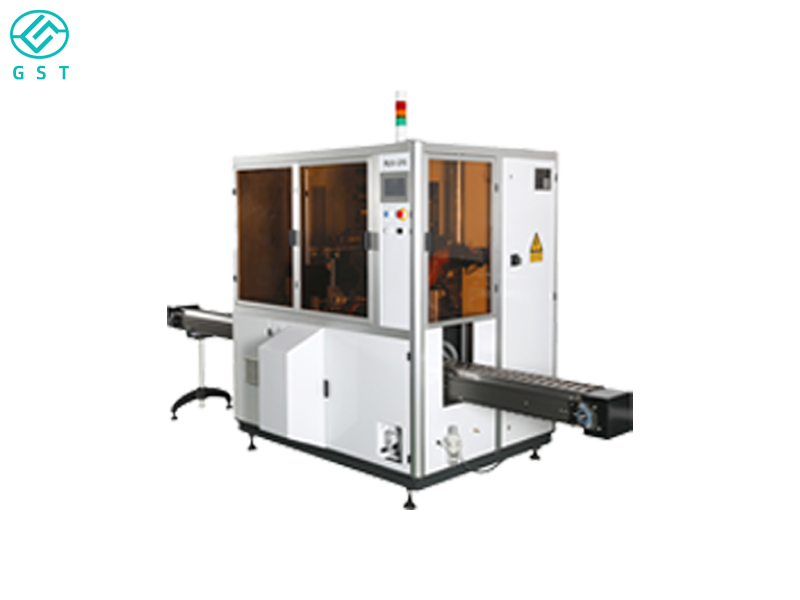
Application Fields of High-Precision Screen Printing Machines
1. Electronics Manufacturing: In the electronics manufacturing sector, high-precision screen printing machines are widely utilized to print conductive traces, solder pads, and other patterns on Printed Circuit Boards (PCBs). Given the extremely stringent precision requirements for circuitry in electronic products, these machines ensure the precision and consistency of the traces, thereby guaranteeing the performance and quality of the final electronic devices.
2. Photovoltaic Industry: The photovoltaic industry requires the printing of conductive pastes onto solar cells to form electrodes. The high precision and stability of high-precision screen printing machines effectively enhance the conversion efficiency and reliability of these cells, making them indispensable equipment within the photovoltaic sector.
3. Automotive Industry: In the automotive industry, high-precision screen printing machines are primarily used to print patterns and markings on components such as dashboards and control panels. This high-precision printing capability not only improves the aesthetic quality of the products but also ensures the abrasion resistance and durability of the printed patterns.
4. Textiles and Packaging: In the textile and packaging industries, high-precision screen printing machines are employed to print intricate patterns, logos, and text. These printing applications demand not only high resolution but also the assurance that the printed materials possess excellent abrasion resistance and color fastness.
5. Ceramics and Glass: In the ceramics and glass industries, the application of high-precision screen printing machines is predominantly focused on the printing of decorative patterns. Through precise printing techniques, ceramic and glass products can feature delicate and crisp designs, thereby enhancing their added value.
The Impact of High-Precision Screen Printing Machines on Industrial Production
The advent and widespread adoption of high-precision screen printing machines have had a profound impact on modern industrial production:
1. Increased Production Efficiency: High-precision screen printing machines feature a high degree of automation, enabling them to complete large volumes of high-precision printing within a short timeframe. This significantly boosts production efficiency and effectively meets the demands of large-scale manufacturing.
2. Enhanced Product Quality: The high-precision printing capabilities of these machines result in a substantial improvement in the clarity and consistency of product patterns. This leads to a reduction in defect rates and an overall elevation of product quality.
3. Reduced Production Costs: Thanks to the high stability and durability of high-precision screen printing machines, equipment maintenance costs are kept low; furthermore, automated operation reduces labor expenses, thereby lowering overall production costs.
4. Promotion of Technological Innovation: The application of high-precision screen printing machines fosters the development and implementation of new materials and processes. This provides a solid foundation for technological innovation across various sectors, driving the upgrading and advancement of related industries.
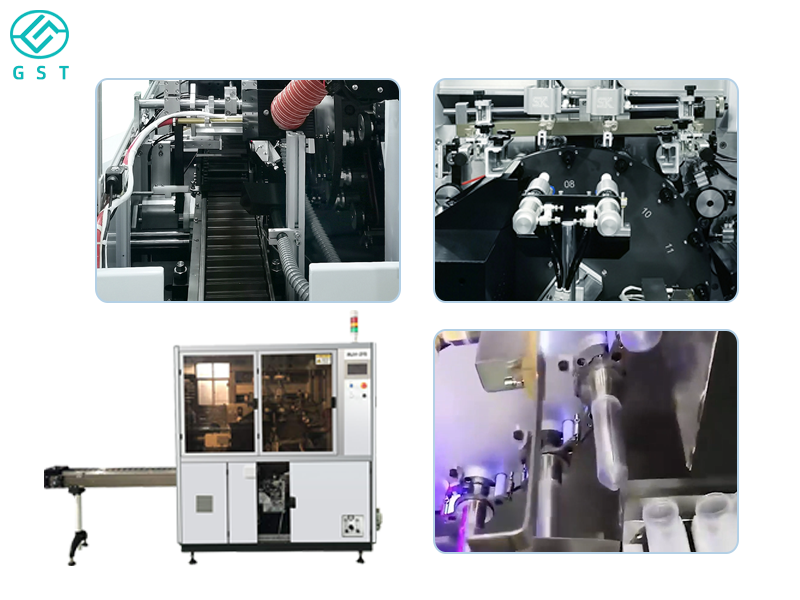
As a pivotal piece of equipment in modern industrial production, the high-precision screen printing machine—distinguished by its high precision, high efficiency, and broad scope of application—has become an indispensable tool across numerous industries. With the continuous advancement of technology, the capabilities of high-precision screen printing machines will continue to evolve, bringing further innovation and transformation to industrial manufacturing. In the future, these machines will continue to play a vital role in enhancing product quality, optimizing production workflows, and reducing manufacturing costs, thereby contributing significantly to the intelligent and precision-oriented development of the global manufacturing sector.