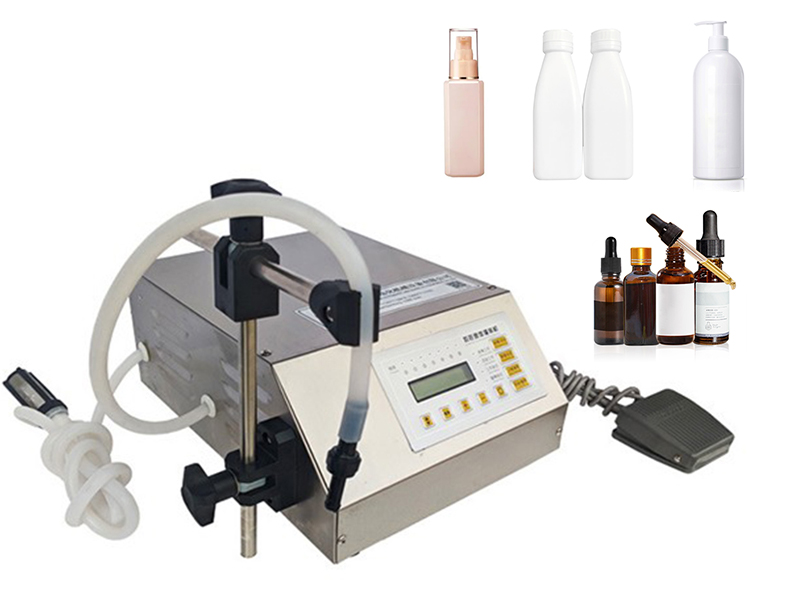
A solution offering low-cost investment and high operational flexibility for small-scale manual filling machines.
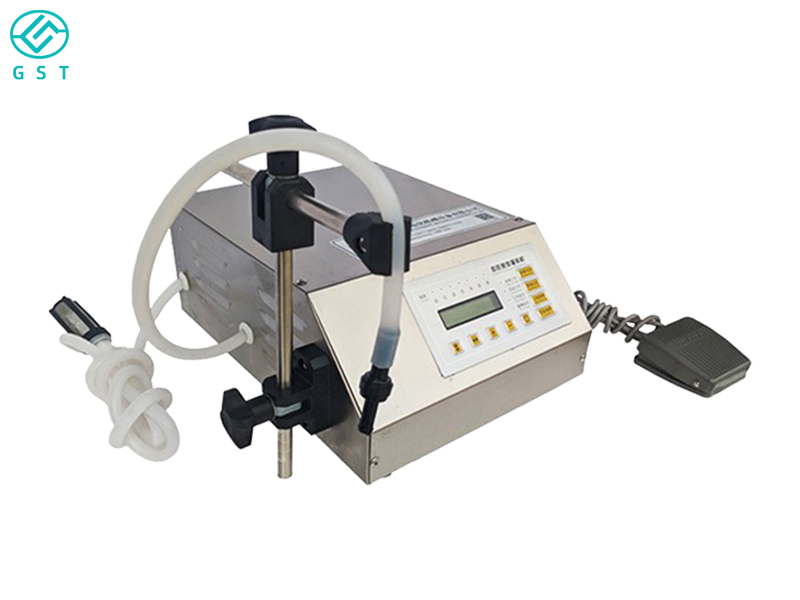
A small manual filling machine is a device that operates without an external power source, relying instead on manual effort to draw in and dispense materials. It typically consists of a stainless steel body, a hopper, a piston, a filling nozzle, and an operating handle. Because it does not require electricity, it is ideal for use outdoors, in locations without power access, or in specialized environments.
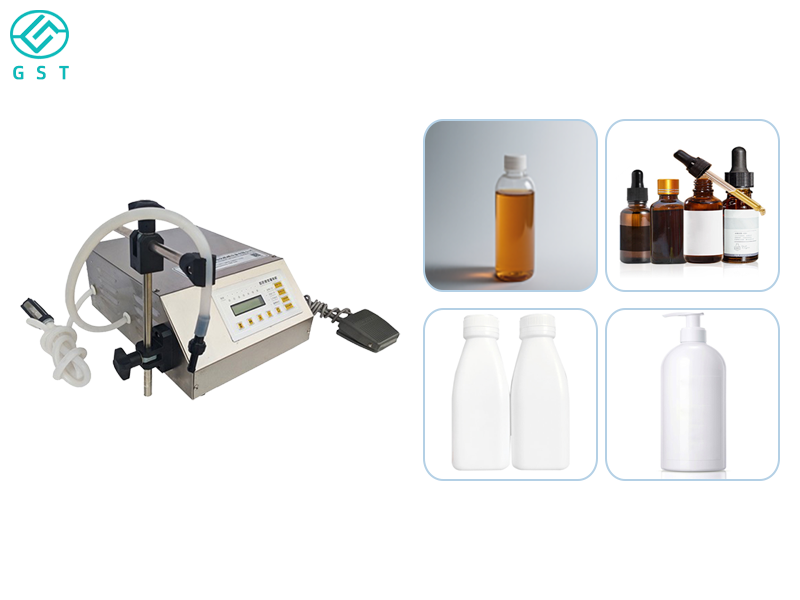
This type of equipment is suitable for a wide range of fluid and semi-fluid materials—such as honey, essential oils, hand sanitizer, milk, sauces, cosmetic lotions, and disinfectants. It is particularly well-suited for scenarios where extreme precision in fill volume is not critical, but cost control and operational flexibility are priorities.
I. Working Principle and Operation
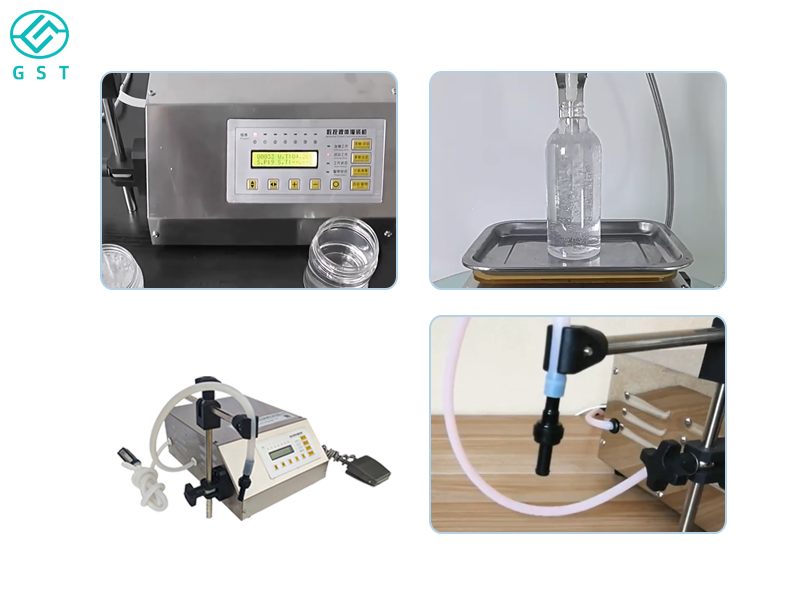
The working principle of a small manual filling machine is straightforward: a handle or lever drives the piston to create negative pressure, drawing material from the hopper into the piston cylinder; the piston is then pushed in the opposite direction to dispense the material evenly into the container through the nozzle. Some models feature adjustment screws that allow for fine-tuning the fill volume to accommodate different packaging specifications.
To begin filling, the user simply places the machine on a stable surface, loads the material, adjusts the fill volume, and aligns the nozzle with the container opening. The process requires no complex training, allowing operators to get up to speed quickly.
II. Advantages of Small Manual Filling Machines
Affordable price and low investment threshold: Compared to electric or fully automated equipment, manual filling machines are inexpensive—typically ranging from a few hundred to around two thousand yuan—making them ideal for startups, individual entrepreneurs, or home-based workshops.
No reliance on electricity; wide range of applications: They are particularly useful in off-grid or outdoor settings, such as farms, markets, and mobile vending carts.
Simple maintenance and low failure rate: The machine features a simple component structure that is easy to clean and replace; routine maintenance is straightforward and does not require professional technicians.
Flexible and adaptable: Compatible with various materials and packaging types (including different bottle shapes), these machines are especially well-suited for artisanal products and small-batch customization needs.
Energy-efficient and eco-friendly: Fully manual operation eliminates electricity consumption, aligning with green, low-carbon principles.
Amidst the landscape of fast-paced, high-volume manufacturing, small manual filling machines continue to hold an irreplaceable position. They represent a solution characterized by low investment costs and high operational flexibility, while also supporting personalized and customized production methods. Whether serving as a startup's first piece of filling equipment or as a reliable backup tool, these machines have established a firm foothold across various industries, delivering significant value to users. As market demand for niche, high-end, and customized products continues to grow, the market potential for this type of equipment will continue to unfold.