Semi-automatic liquid filling machines serve as a mainstay in the field of filling equipment.
A semi-automatic liquid filling machine is equipment designed specifically for filling liquid products. It relies primarily on manual labor for tasks such as positioning, starting, and removing containers, while the machine itself performs the actual filling operation. Typically utilizing pneumatic or electric control systems—combined with metering pumps, flow meters, or time-based controls—these machines achieve precise liquid measurement and filling. Compared to fully automated equipment, semi-automatic filling machines feature simpler structures and lower operational complexity; however, they still offer high efficiency and accuracy, making them particularly suitable for medium-volume production involving diverse product types and small batch sizes.
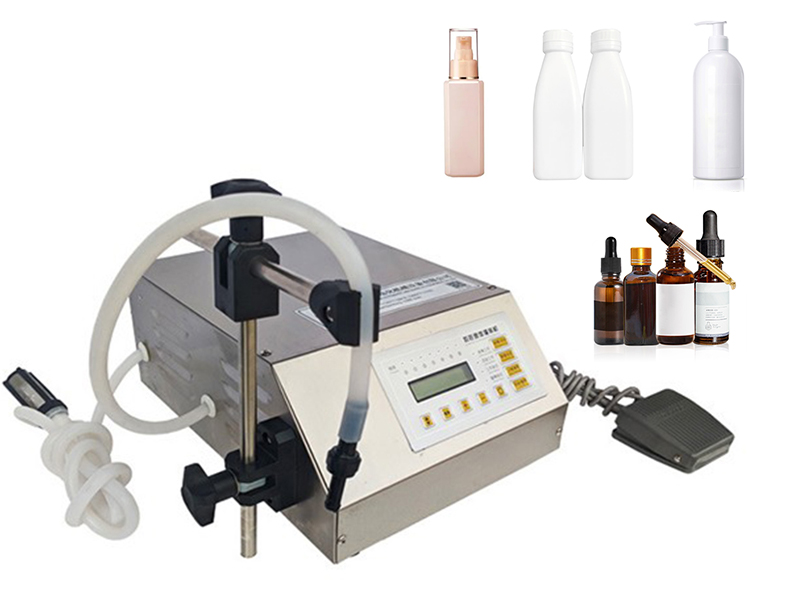
Main Types of Semi-Automatic Liquid Filling Machines
Based on different filling principles and material characteristics, semi-automatic liquid filling machines can be broadly categorized as follows:
Piston-type filling machines: Suitable for high-viscosity liquids or those containing particulates, such as ketchup, honey, and shampoo. They utilize piston movement to perform quantitative intake and dispensing of the material.
Gravity-flow filling machines: Rely on the natural flow of the liquid for filling; ideal for low-viscosity, non-foaming liquids such as alcoholic beverages, soy sauce, and soft drinks.
Pump-type filling machines: Equipped with gear pumps, peristaltic pumps, or magnetic pumps (selected based on flow rate and precision requirements), these are widely used for precision filling of liquids such as essential oils, pharmaceutical solutions, and chemical reagents.
Weighing-type filling machines: Control the fill volume via a weighing system; suitable for filling large-capacity or high-value materials, such as lubricating oils and chemical solutions.
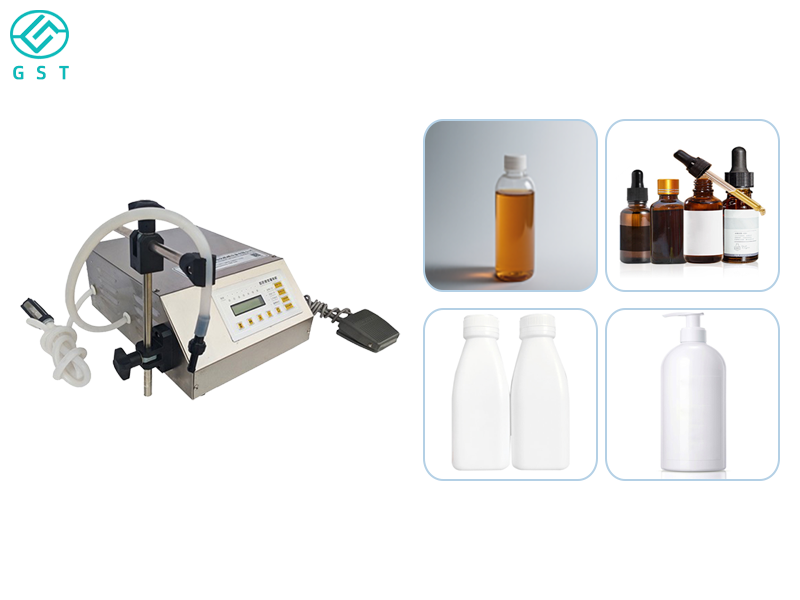
Advantages of Semi-Automatic Liquid Filling Machines
Cost-effectiveness: Low investment costs and a compact footprint make this equipment particularly suitable for small-to-medium-sized factories and startups.
Ease of operation and maintenance: The control system features a user-friendly design, allowing operators to get up to speed with minimal training. Maintenance and cleaning are straightforward and do not require specialized technical personnel.
Versatility: Highly flexible, the machine accommodates a wide range of bottle shapes, container types, and liquid properties.
High filling precision: Utilizing advanced metering methods and control systems, it achieves high filling accuracy—typically within ±1%—thereby minimizing raw material waste.
Scalability: Functional components such as stirring, heating, anti-drip, and anti-corrosion systems can be added to meet specific processing requirements.
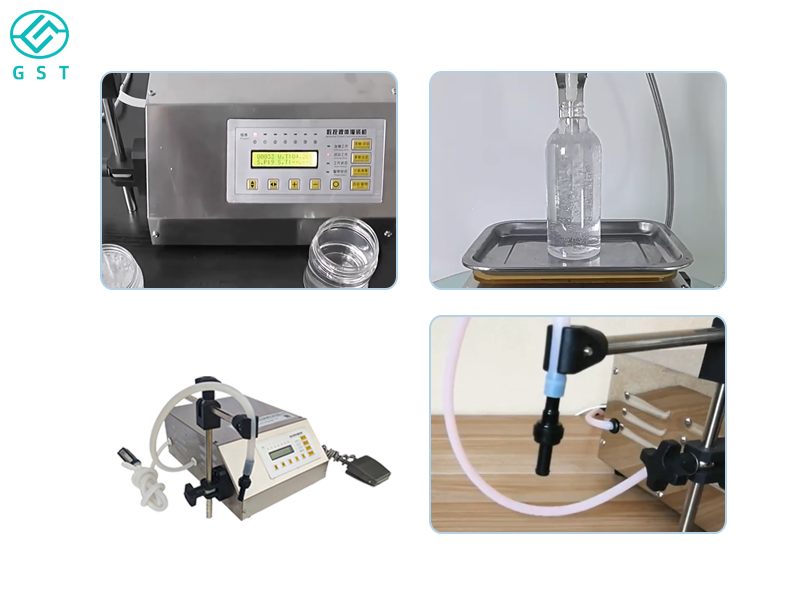
As a "mainstay" in the filling equipment sector, the semi-automatic liquid filling machine strikes an ideal balance between cost control and efficiency. Serving as a crucial bridge between manual labor and fully automated systems, it has found widespread application across industries such as food and beverage, chemicals, pharmaceuticals, and personal care products—thanks to its ease of use, low investment cost, and versatility—making it the preferred filling solution for many SMEs and startups.