Automatic quantitative filling machines are vital tools for driving industrial automation and precision manufacturing.
An automatic quantitative filling machine is a device that utilizes an automatic control system to perform the quantitative filling of liquids, pastes, powders, or granular materials. Capable of automatically measuring, filling, and conveying products based on preset parameters, the machine operates without manual intervention, thereby significantly enhancing filling consistency and stability. It supports various packaging formats—such as bottles, bags, and drums—and meets the filling requirements of diverse industries.
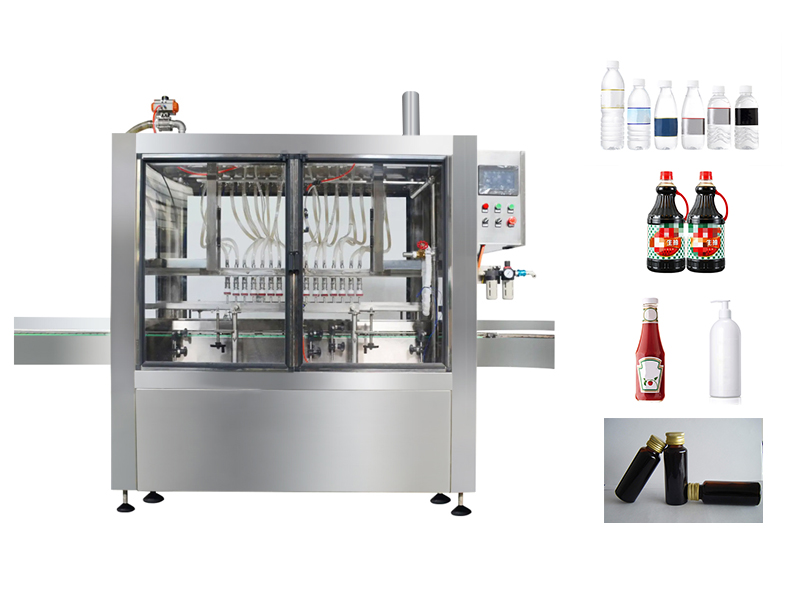
The core feature of the automatic quantitative filling machine is its quantitative capability; common metering methods include:
Time-based quantitative filling: Adjusts the fill volume by controlling the material discharge duration; suitable for free-flowing liquids with moderate precision requirements.
Volumetric quantitative filling: Uses mechanisms such as pistons or metering pumps to mechanically control the volume of each fill; suitable for viscous liquids or pastes.
Weight-based quantitative filling: Employs an electronic weighing system for precise filling; ideal for products requiring high accuracy, such as pharmaceutical solutions, fragrances, and oils.
Flow meter-based quantitative filling: Controls fill volume via electromagnetic or mass flow meters; offers high precision and is suitable for filling high-value liquids.
Automatic quantitative filling machines are typically equipped with a PLC control system and a touchscreen interface, allowing users to freely configure filling parameters for flexible and precise quantitative control.
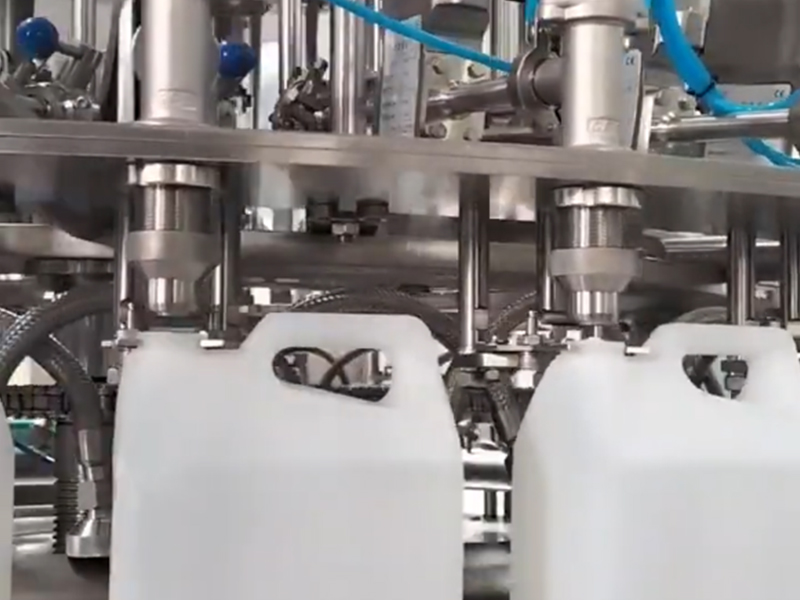
Key Advantages of Automatic Quantitative Filling Machines
High Precision: Utilizing precision control systems and metering mechanisms, filling errors can be kept within ±0.5%, ensuring consistent product quality.
High Efficiency: Automated operation replaces manual labor, significantly increasing filling speeds and meeting the demands of large-scale, continuous production.
Labor Savings: Reduces reliance on manual labor—a crucial benefit, especially in scenarios involving labor shortages or high-intensity work.
Wide Applicability: Capable of filling various materials such as liquids, pastes, oils, and granules; highly adaptable, allowing enterprises to make flexible adjustments based on different products.
Ease of Operation and Maintenance: Features a user-friendly interface with simple, intuitive parameter adjustments; the modular equipment structure facilitates convenient daily maintenance and servicing.
Production Line Integration: Seamlessly connects with equipment such as automatic bottle feeders, cappers, labelers, and cartoners to form fully automated production lines, thereby enhancing overall automation levels.
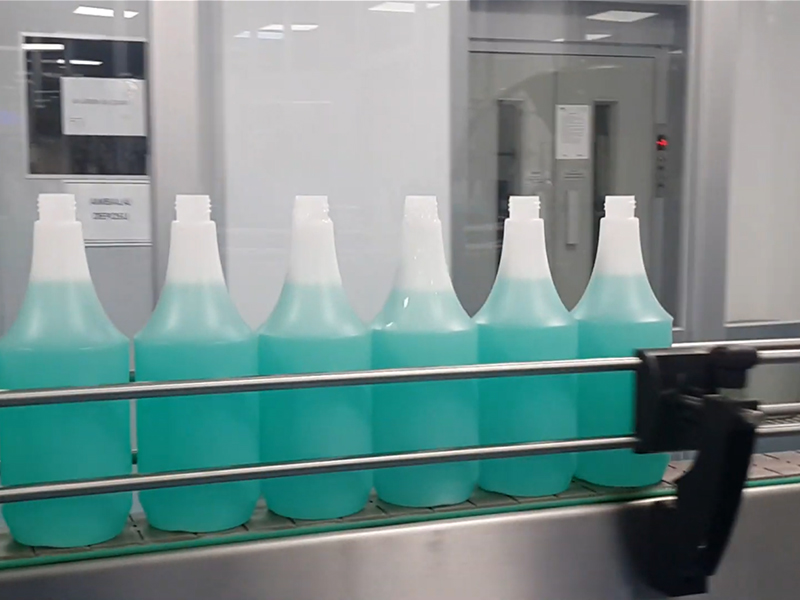
Automatic quantitative filling machines have become vital tools for driving industrial automation and precision manufacturing. They not only help enterprises boost production efficiency and lower operating costs but also effectively ensure product quality consistency and market competitiveness. Amidst the accelerating pace of modern industrial manufacturing and product distribution, the precision and efficiency of packaging have become critical factors in corporate competitiveness. Particularly in sectors with stringent requirements for dosage and packaging consistency—such as food, pharmaceuticals, chemicals, and personal care products—these machines are playing an increasingly important role as efficient, precise, and intelligent packaging solutions.