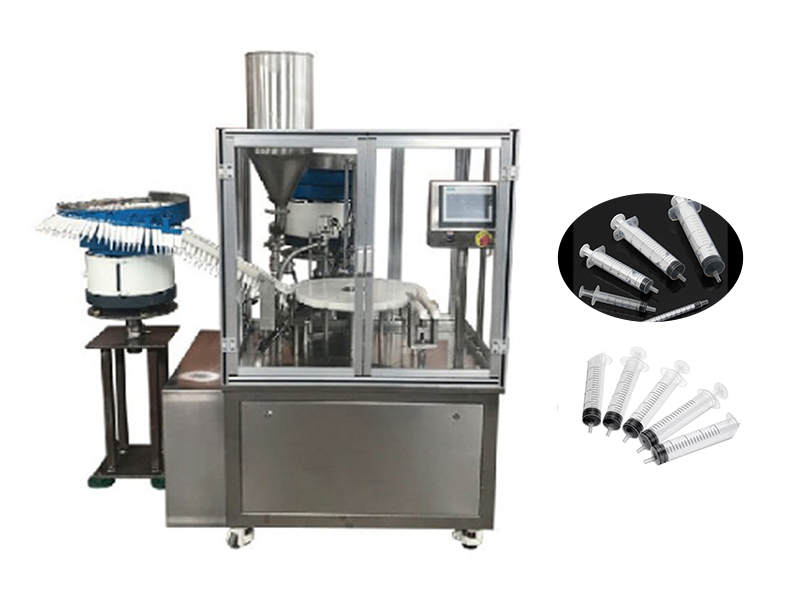
Automatic Syringe Assembly Machine Boosts Production Efficiency and Product Quality
In the modern medical industry, syringes serve as fundamental yet critical medical devices, widely used in procedures such as vaccination, medication administration, and blood sampling. As global demand for medical supplies continues to rise—particularly against the backdrop of frequent public health events—production efficiency and quality control for syringes have become increasingly vital. The automatic syringe assembly machine emerged to meet this demand; it is a highly efficient, intelligent system that not only significantly boosts production speed but also ensures product consistency and hygienic safety, making it an indispensable asset for syringe manufacturers.
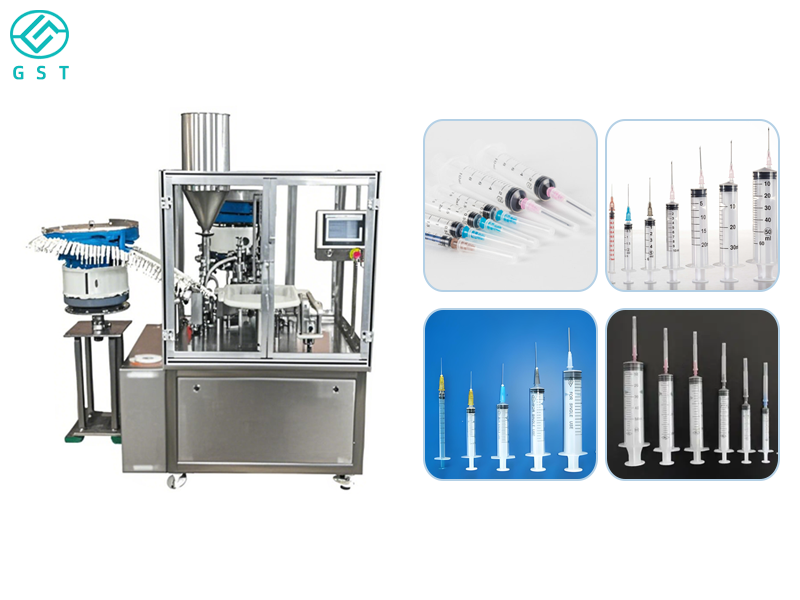
The automatic syringe assembly machine is a high-end piece of automation equipment that integrates various technologies, including mechanical transmission, automatic control, image recognition, and inspection systems. Its core functionality involves using modules such as robotic arms, conveyor tracks, and servo systems to handle the automatic feeding, precise positioning, and accurate assembly of syringe components (e.g., barrels, plungers, rubber stoppers, push rods, and needles), ultimately enabling a fully automated production process characterized by high efficiency and minimal error rates.
Traditional syringe assembly methods often relied on manual labor or semi-automated equipment, resulting in low production efficiency and a susceptibility to human error, which compromised product consistency and yield rates. In an era where sterility and precision requirements for syringes are exceptionally high, such methods struggle to meet industry standards. In contrast, the adoption of automatic syringe assembly machines not only dramatically increases assembly efficiency—capable of assembling over 200 to 400 syringes per minute—but also utilizes vision systems and automatic inspection modules to monitor assembly quality and positional accuracy in real-time. By automatically rejecting defective units, these machines ensure that the final products meet rigorous quality standards.
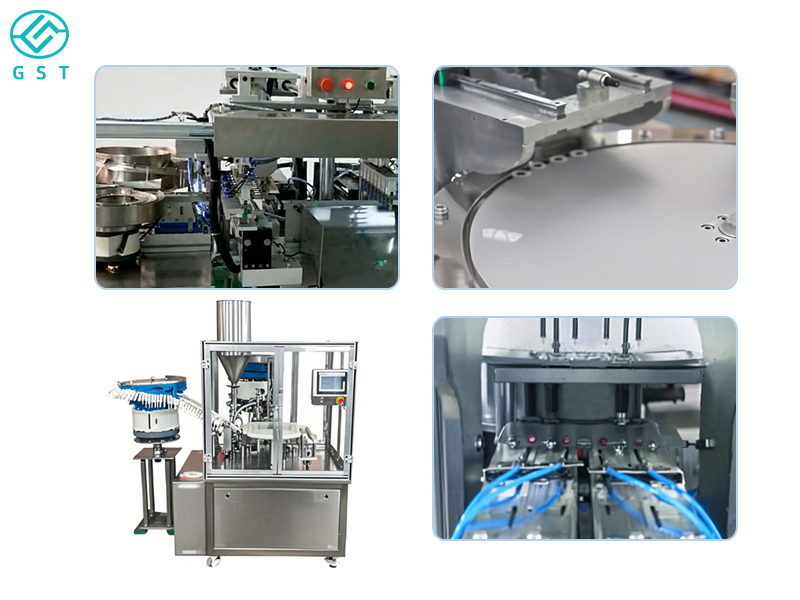
Furthermore, automatic syringe assembly machines offer significant advantages in terms of modularity and customizability. Production modes for syringes of various models and specifications (such as 1ml, 2.5ml, 5ml, 10ml, etc.) can be rapidly switched by simply changing molds and adjusting parameters, thereby greatly enhancing the equipment's versatility and flexibility. This capability to handle multiple specifications enables manufacturers to respond quickly to fluctuating market demands while effectively controlling inventory and production costs.
Regarding manufacturing safety, these machines are typically constructed from 304 or 316 stainless steel to meet GMP cleanroom standards; they are also equipped with dust-proof, anti-static, and sealing systems to ensure the entire assembly process takes place in a clean, contamination-free environment. Operation is facilitated by a user-friendly interface combining a touchscreen with a PLC control system, allowing for easy operation and flexible parameter settings. Features such as fault alarms, real-time monitoring, and data logging provide robust technical support for production management and quality traceability.
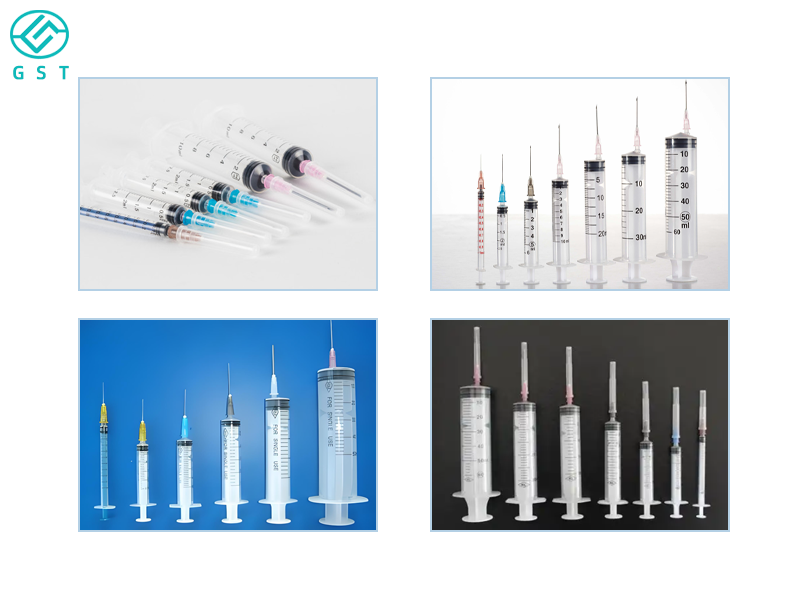
In summary, automatic syringe assembly machines not only boost production efficiency and product quality but also play a pivotal role in reducing labor costs and accelerating market responsiveness. They have become essential tools for syringe manufacturers striving for modernization and intelligent production. As technology advances and medical demand continues to grow, the scope of application for this type of equipment will expand, positioning it to play an increasingly critical role in the future of medical device manufacturing.