Automatic Blister Packaging Machine: A Highly Efficient Tool for Smart Packaging
In modern manufacturing, product packaging serves not only to protect the product but also to enhance brand image and drive sales. As consumer markets demand higher quality and efficiency in packaging, traditional manual methods and semi-automatic equipment struggle to meet the needs of large-scale production. As a highly efficient and intelligent automated system, the automatic blister packaging machine—characterized by high-speed production, precision forming, and secure sealing—has become a vital piece of equipment in the automated packaging sector, widely used in industries such as food, pharmaceuticals, electronics, hardware, and toys.
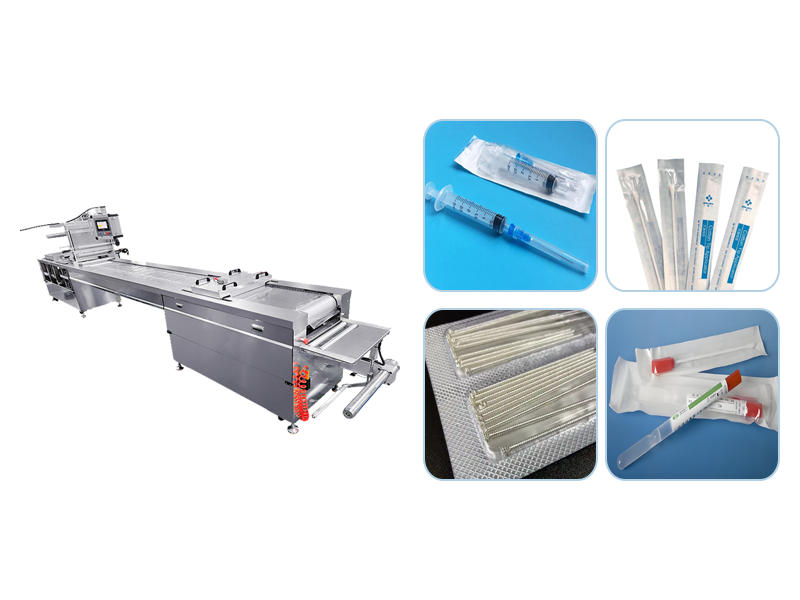
Definition and Working Principle of Automatic Blister Packaging Machines
1. Definition: An automatic blister packaging machine is an automated system that softens plastic sheets or films via heating, uses vacuum suction to mold the material against a die to match its shape, and subsequently performs cutting, filling, and sealing operations. The equipment enables fully automated processing, covering stages from sheet feeding and thermoforming to sealing, cutting, and finished product discharge.
2. Working Principle: The operational workflow of an automatic blister packaging machine primarily involves the following steps:
1. Sheet Feeding and Heating: Plastic sheets (such as PVC, PET, PS, or PP) are automatically fed into the machine. A constant-temperature heating system uniformly heats the sheets, softening them into a pliable state.
2. Blister Forming: A vacuum pump creates a vacuum, drawing the softened plastic sheet tightly against the mold surface to form the desired shape. The formed blister is then rapidly cooled to set its shape.
3. Product Filling and Sealing: Items such as tablets, electronic components, food products, or hardware parts are automatically loaded. Heat sealing or high-frequency sealing technology is used to bond the blister shell to a backing card or aluminum foil.
4. Cutting and Discharge: The sealed blister packaging is cut into individual units. The finished products are automatically conveyed to the next processing stage or collected.
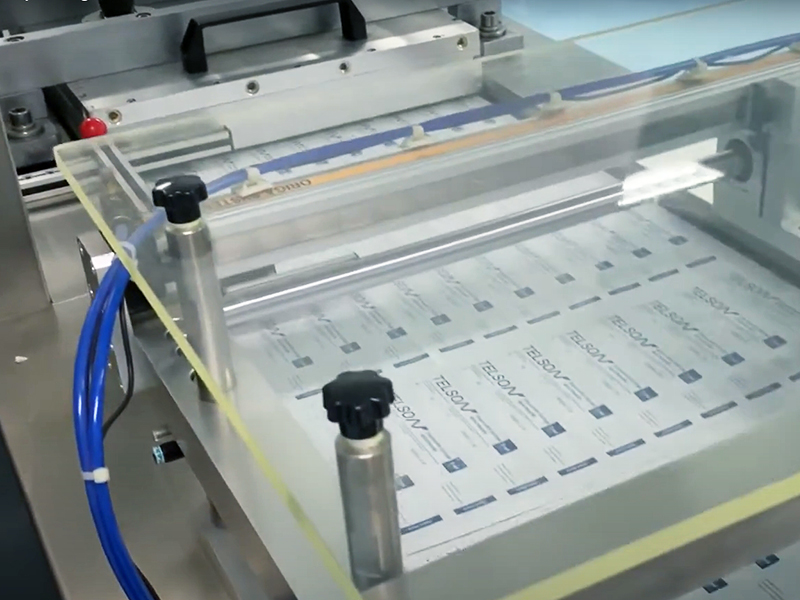
Key Advantages of Automatic Blister Packaging Machines
1. High-efficiency automation boosts productivity: Automatic blister packaging machines achieve full automation of the packaging process—handling everything from sheet feeding and forming to sealing and cutting in a single pass. With packaging speeds reaching up to 300 cycles per minute, they significantly enhance production efficiency. Capable of continuous operation, they are ideal for high-volume production lines and minimize the need for manual intervention.
2. Attractive and secure packaging enhances product value: These machines produce packaging shells with precise dimensions and uniform shapes. The sealing is secure and neat, preventing products from coming loose or becoming contaminated during transport. The high transparency of the blister cover showcases the product effectively, increasing its market appeal.
3. Wide applicability and material compatibility: The machines support various sheet materials—such as PVC, PET, PP, PS, and ABS—to meet diverse packaging requirements. They serve industries ranging from food and pharmaceuticals to electronics, hardware, and consumer goods. Molds and specifications can be flexibly adjusted to accommodate different products.
4. Smart, user-friendly operation reduces labor costs: Featuring PLC control systems and touchscreen interfaces, parameter adjustments are intuitive and simple. Equipped with automatic detection and error-correction functions, the machines improve packaging precision and yield rates. High automation levels reduce labor costs and decrease physical strain on workers.
5. Energy efficiency and reduced material waste: Automatic blister packaging machines precisely control sheet usage to minimize waste. Optimized sealing technology ensures secure packaging while conserving materials. They meet environmental standards and align with the demand for eco-friendly packaging solutions.
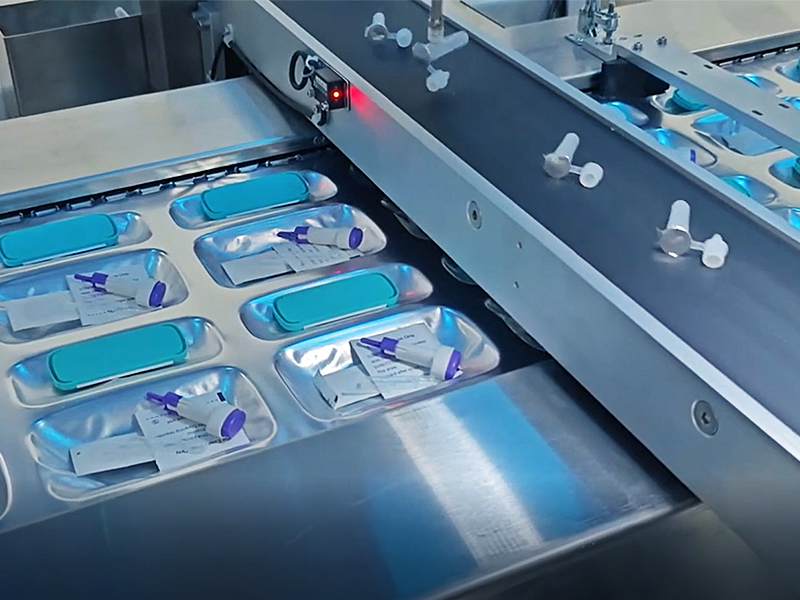
As a vital piece of equipment in the modern packaging industry, the automatic blister packaging machine is widely used across sectors such as food, pharmaceuticals, electronics, and hardware, thanks to its high-efficiency automation, secure sealing, and aesthetic packaging quality. Driven by trends toward intelligence, integration, and environmental sustainability, these machines continue to evolve, providing enterprises with more efficient and intelligent automated packaging solutions that further boost productivity and market competitiveness.