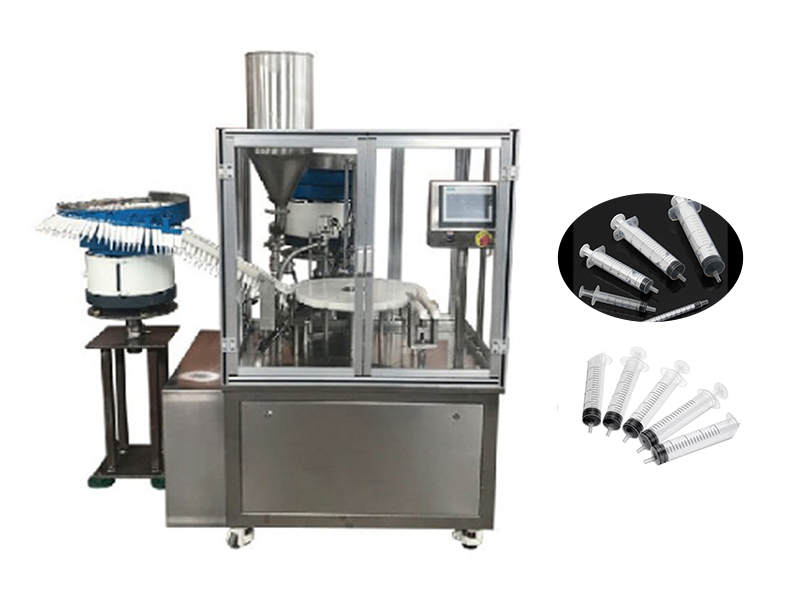
Automatic Syringe Assembly Machine: Key Equipment for Smart Medical Manufacturing
With the rapid development of the medical industry, the demand for syringes—one of the most common medical devices used in clinical diagnosis and treatment—continues to rise. Traditional syringe production and assembly often relied on manual labor or semi-automated equipment, resulting in low efficiency and potential contamination risks. In contrast, the automatic syringe assembly machine—a modern system integrating automation, precision, and high efficiency—enables the automated assembly, inspection, and packaging of syringe components. This significantly boosts production efficiency, ensures product quality, and meets the medical industry's stringent requirements for sterility, safety, and operational efficiency.
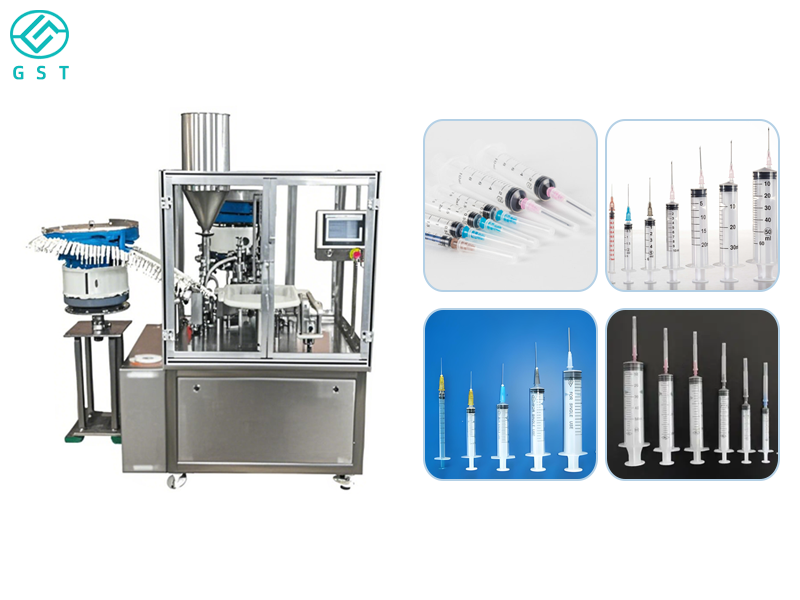
Working Principle and Structure of the Automatic Syringe Assembly Machine
1. The automatic syringe assembly machine utilizes mechanical transmission, pneumatic systems, and intelligent control technology to automate the assembly and inspection of various syringe components (such as the barrel, needle, plunger, and push rod). The workflow is as follows:
Loading and Feeding: The equipment uses an automatic loading mechanism to feed syringe components (e.g., barrels, plungers, push rods) into the work area.
Automatic Positioning and Assembly: Syringe barrels and plungers are automatically aligned using precision robotic arms or feeding tracks. Plungers and push rods are automatically inserted and assembled, ensuring proper sealing and smooth operation.
Sealing and Inspection: After component assembly, the machine automatically checks assembly precision and sealing integrity. Defective units are automatically rejected.
Finished Product Collection and Packaging: Qualified syringes proceed to an automated packaging line for sterilization, sealing, or labeling.
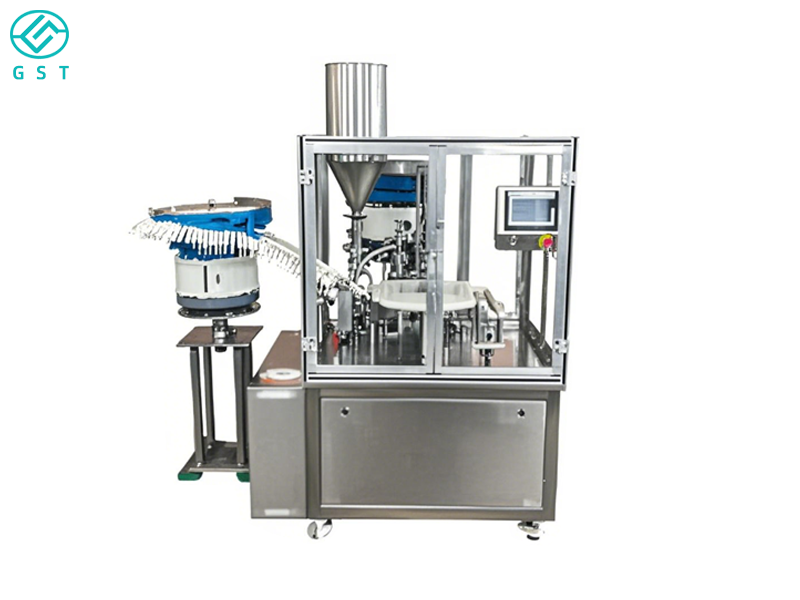
2. The automatic syringe assembly machine typically consists of the following core components:
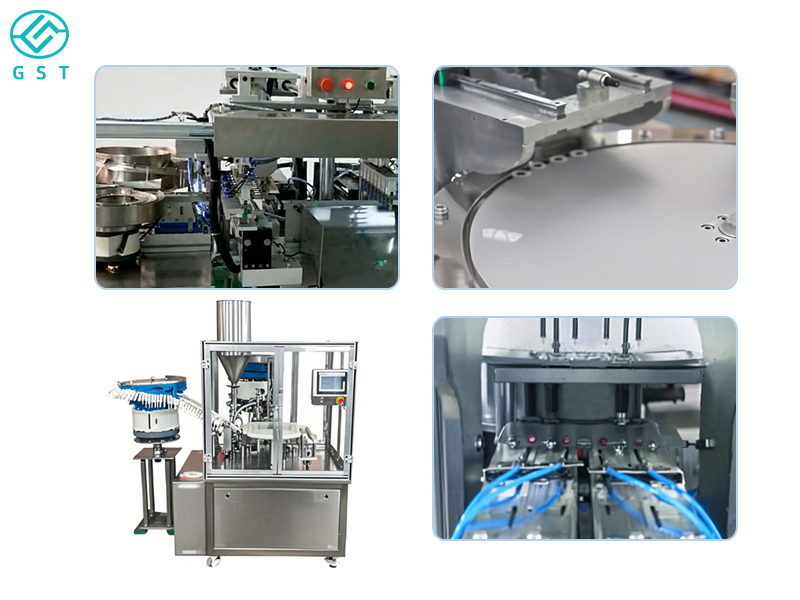
Automatic Feeding System: Includes vibratory bowls, loading conveyors, or robotic arms to facilitate automatic loading and material feeding.
Assembly Module: Incorporates automated assembly processes—such as needle insertion, push rod installation, and plunger/seal fitting—to ensure assembly precision.
Inspection and Rejection System: Equipped with vision inspection and sensor-based detection devices to monitor assembly quality in real time. Control System: Utilizes PLC or industrial computer control to enable automated operation and parameter adjustment.
Product Collection and Packaging System: Automatically collects qualified products or feeds them into the packaging stage, enhancing the level of automation.
Advantages of Automatic Syringe Assembly Machines
1. High-Efficiency Automated Production: Automatic syringe assembly machines enable continuous 24-hour operation, offering production efficiency far superior to manual or semi-automatic equipment. With an hourly output of 500 to 1,500 units, they significantly boost productivity. The machines automate the entire process—assembly, inspection, and packaging—without the need for manual intervention.
2. High Assembly Precision and Consistent Quality: These machines utilize servo motors and precision positioning systems to ensure assembly accuracy. Assembly tolerances are controlled within ±0.1mm, effectively guaranteeing the syringe's sealing integrity and safety. Equipped with in-line inspection and rejection systems, the equipment automatically discards defective units, ensuring high product quality.
3. Sterile Production Meeting Medical Standards: The equipment operates in cleanroom environments, complying with GMP (Good Manufacturing Practice) requirements. Components are assembled using non-contact automated methods, minimizing contamination risks. Finished products undergo automated sterilization and packaging to ensure sterility.
4. Labor and Production Cost Savings: A single automatic assembly machine can replace 5 to 10 manual workstations, significantly reducing labor costs. By minimizing manual intervention, the machine reduces human error and contamination risks. It also substantially increases production capacity and yield rates while shortening production cycles.
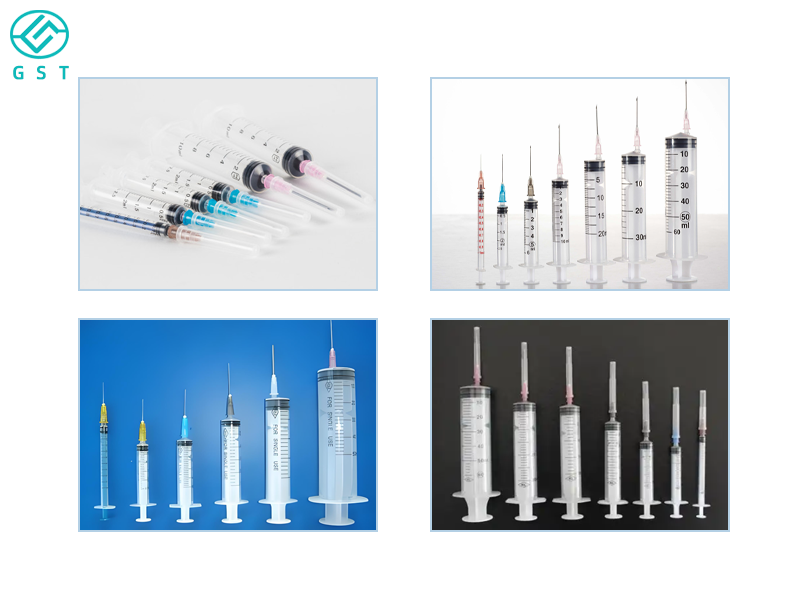
5. Strong Flexibility and Compatibility: The machines are compatible with the production of various syringe specifications (e.g., 1ml, 3ml, 5ml, 10ml). A modular component design allows for rapid switching between specifications to meet diverse needs. They can also be integrated with automatic filling, labeling, and packaging equipment to form a fully automated production line.
With their advantages of high efficiency, precision, automation, and sterility, automatic syringe assembly machines play a vital role in the medical device manufacturing industry. They not only significantly boost productivity and ensure product quality but also reduce production costs and labor requirements. Looking ahead, driven by advancements in intelligent and flexible manufacturing technologies, these machines will evolve toward greater efficiency, intelligence, and sustainability, helping the medical device industry achieve higher quality production standards.