Automatic Loader: High-Efficiency Equipment Boosting Intelligent Production
In modern industrial production, material conveying and feeding are critical stages of the manufacturing process. Traditional manual feeding methods suffer from low efficiency, high labor intensity, and significant material loss, making them unable to meet the demands of large-scale production. As a highly efficient and intelligent material handling solution, the automatic feeder enables automated, continuous, and precise material feeding, thereby significantly boosting production efficiency and the automation level of the production line. Widely used in industries such as food processing, pharmaceuticals, chemicals, plastics, and construction materials, it has become an indispensable piece of automation equipment for modern factories.
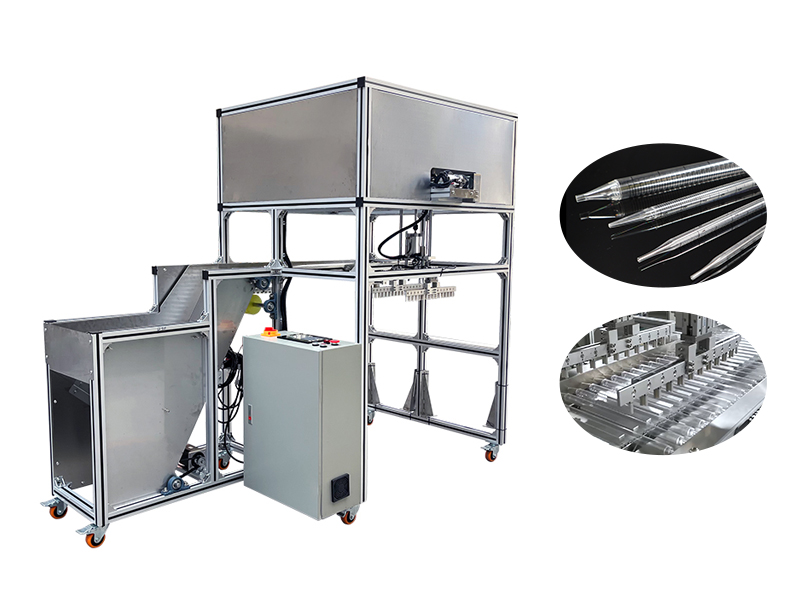
Working Principle and Structure of Automatic Feeders
1. Automatic feeders utilize methods such as vacuum suction, screw conveying, or pneumatic conveying to automatically extract or transport materials from storage containers or hoppers to designated equipment (e.g., packaging machines, mixers, or filling machines). The operational workflow is as follows:
Material Extraction and Conveying: The equipment retrieves material from the storage bin or hopper using a vacuum pump, screw conveyor, or belt conveyor.
Material Transport: Materials are conveyed continuously through sealed pipelines or on conveyor belts to prevent contamination and loss.
Automatic Metering and Feeding: Automatic feeders are typically equipped with metering and detection devices to ensure precise material supply.
Automatic Replenishment and Cyclic Feeding: When a material shortage is detected in the storage bin, the equipment automatically replenishes the supply to ensure continuous production.
2. Automatic feeders are primarily composed of the following components:
Feeding Mechanism: Common methods include vacuum suction, screw conveying, belt conveying, or pneumatic conveying.
Hopper and Pipeline System: Typically constructed from stainless steel or corrosion-resistant materials to prevent material contamination.
Electrical Control System: Equipped with a PLC control system and a Human-Machine Interface (HMI) to facilitate automatic control and parameter adjustment. Detection and alarm system: Features material-shortage alarms and automatic shutdown functions to prevent the equipment from running idle or wasting material.
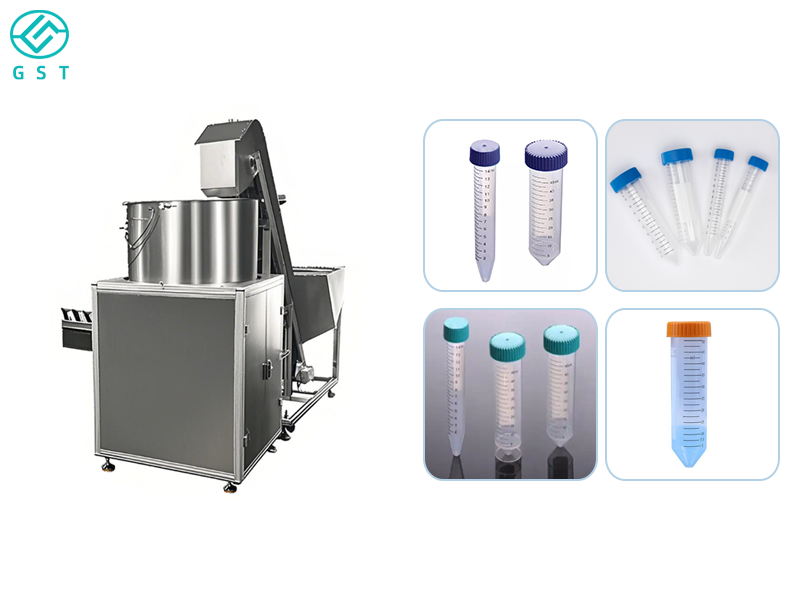
Classification and Advantages of Automatic Feeding Machines
1. Vacuum Feeder: Uses vacuum negative pressure to draw material from a hopper into a conveying pipeline and transport it to the target equipment via airflow. Suitable for conveying powders, granules, and flakes; commonly used in the pharmaceutical, food, and chemical industries.
2. Screw Feeder: Uses a screw conveying structure to propel material forward along the screw shaft. Suitable for the metered conveying of powders or granular materials; widely used in the food, animal feed, and chemical industries.
3. Belt Feeder: Uses a belt conveyor structure capable of handling large volumes of material. Suitable for feeding bulk materials or large-sized granules; commonly used in the ore, grain, and construction material industries.
4. Pneumatic Feeder: Uses compressed air or blower power to transport material through pipelines. Suitable for lightweight granules or powdered materials; commonly used in the plastics, chemical, and pharmaceutical industries.
5. Increased production efficiency and reduced labor costs: Automatic feeders provide continuous, automated material supply, eliminating the need for frequent manual loading. They replace manual handling, thereby reducing labor costs and physical strain. Feeding is fast and stable, with conveying efficiency up to 35 times higher than manual methods.
6. Precise feeding and minimal material waste: Equipped with metering and detection devices to ensure accurate material transfer and prevent waste. There is virtually no material loss or spillage during transport, leading to higher production efficiency and product yield.
7. Enclosed conveying for eco-friendly, pollution-free operation: The equipment features an enclosed conveying structure that effectively prevents material leakage and dust pollution. It complies with GMP standards for the food and pharmaceutical industries, ensuring a clean production environment.
8. Intelligent control and easy operation: Equipped with a PLC control system and touchscreen interface for simple operation. Features include automatic operation, low-material alarms, and automatic shutdown, offering a high level of intelligence. Supports remote monitoring and data logging to facilitate production management.
9. High compatibility and versatility: The equipment accommodates materials of various specifications and forms—such as powders, granules, and flakes—and allows for flexible adjustments to conveying speed and throughput to meet diverse production requirements. It integrates seamlessly with machinery such as packaging, mixing, and filling equipment to form automated production lines.
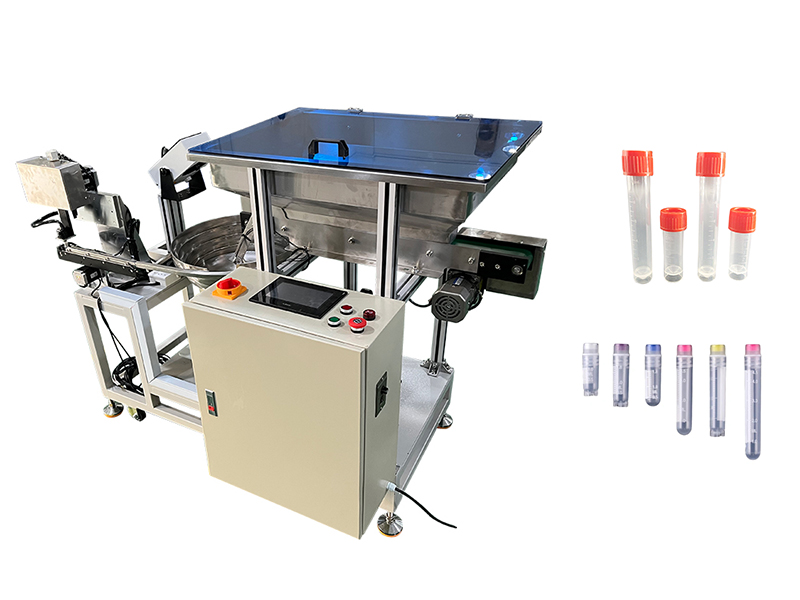
Thanks to its efficiency, precision, automation capabilities, and eco-friendliness, the automatic feeding machine has become a vital component of modern industrial production lines. It not only significantly boosts productivity and reduces labor costs but also ensures accuracy and cleanliness during material transfer. As smart manufacturing and automation technologies continue to advance, automatic feeding machines will play an increasingly important role across various sectors, helping enterprises achieve intelligent, efficient, and sustainable production.