Automatic Cartoning Machine: A Highly Efficient Tool for Smart Packaging
In modern industrial production, product packaging is a crucial step that directly impacts a product's visual quality, market competitiveness, and transport safety. Traditional manual cartoning methods suffer from low efficiency, poor packaging precision, and high labor costs, making it difficult to meet the demands of large-scale, standardized packaging. As a highly efficient and intelligent packaging solution, the automatic cartoning machine automates processes such as carton erecting, product loading, flap folding, and sealing, thereby significantly boosting production efficiency and packaging quality. These machines are widely used across industries—including food, pharmaceuticals, cosmetics, household chemicals, and hardware/electronics—helping enterprises achieve intelligent manufacturing.
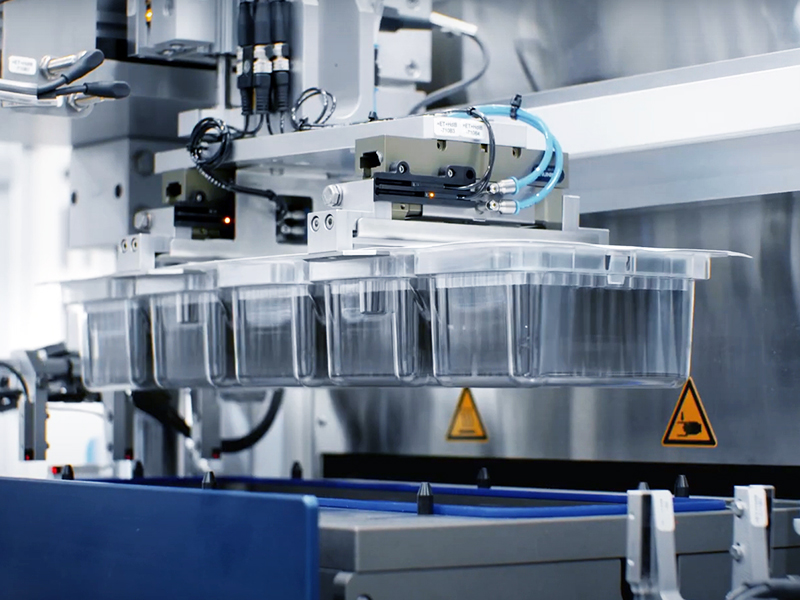
Working Principle and Structure of Automatic Cartoning Machines
1. Automatic cartoning machines utilize automatic control and mechanical transmission systems to load products into cartons according to preset programs and complete the flap folding and sealing processes. The workflow typically involves the following steps:
Automatic Carton Feeding and Erecting: Cartons are picked up by an automatic feeding mechanism and unfolded into shape.
Automatic Product Loading: Products are precisely conveyed into the cartons via conveyor belts or robotic arms.
Flap Folding and Sealing: Carton flaps are automatically folded, and the carton is sealed using either tuck-in flaps or adhesive (glue).
Inspection and Rejection: Equipped with inspection systems to verify the presence of products and instruction leaflets, the machine automatically rejects non-compliant cartons.
2. Automatic cartoning machines are primarily composed of the following structural components:
Automatic Infeed Device: Automatically conveys products to be packaged, such as medicine bottles, toothpaste tubes, or food pouches.
Carton Feeding Mechanism: Automatically picks up and erects cartons, ensuring precise loading.
Flap Folding and Sealing Unit: Uses mechanical structures or pneumatic devices to fold flaps and seal the carton.
Control System and Inspection Devices: Features PLC control and a touchscreen interface for intelligent operation, along with detection and alarm functions for issues such as missing products, missing cartons, or carton erection failures.
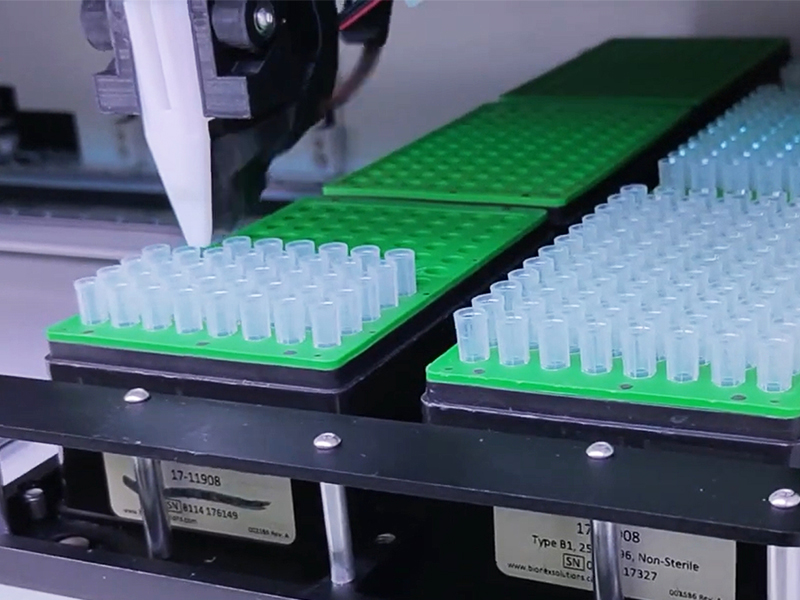
Classification of Automatic Cartoning Machines
1. Classification by Packaging Method
Horizontal Cartoning Machine: The product and the carton are conveyed in parallel; a pusher or robotic arm is used to push the product horizontally into the carton. Suitable for regular-shaped or strip-shaped products, such as pharmaceutical packaging and toothpaste boxes.
Vertical Cartoning Machine: The product drops vertically into the carton from above; suitable for granules, powders, or bulk products. Commonly used for packaging food and small hardware components.
2. Classification by Level of Automation
Semi-automatic Cartoning Machine: Requires manual assistance to place the product into the carton, while the machine automatically handles flap folding and sealing. Suitable for small-batch production or packaging of products with diverse specifications.
Fully Automatic Cartoning Machine: Operates with complete automation, integrating the entire process from carton erecting and filling to sealing. Suitable for high-volume, high-efficiency production lines.
3. Classification by Sealing Method
Tuck-in Flap Cartoning Machine: Seals the carton using the integrated tuck-in flap mechanism, resulting in a neat appearance. Commonly used in the pharmaceutical and food industries.
Hot-melt Glue Cartoning Machine: Uses hot-melt adhesive to seal the carton flaps, providing a secure bond suitable for high-speed production. Applied in the packaging of cosmetics, household chemicals, and electronic products.
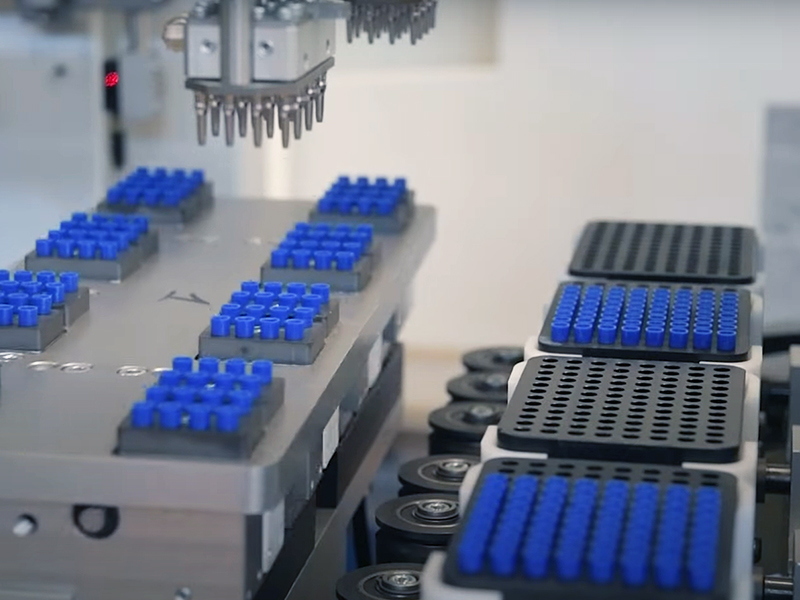
Advantages of Automatic Cartoning Machines
1. Increased production efficiency and reduced labor costs: Automatic cartoning machines enable continuous, high-speed cartoning, boosting production efficiency up to 35 times compared to manual methods. Automated operation minimizes human intervention and lowers labor costs.
2. High packaging precision and consistent quality: Equipped with precision positioning devices and detection systems, these machines ensure accurate filling for every carton. Consistent sealing quality eliminates issues such as insecure seals or misalignment often caused by manual handling.
3. User-friendly operation and intelligent control: Featuring PLC control systems and touchscreen interfaces, operation is simple and intuitive. Built-in automatic alarm and fault diagnosis functions facilitate easy maintenance. They can be integrated with equipment such as filling, labeling, and coding machines to create intelligent production lines.
4. Material savings and environmental friendliness: Precision carton feeding and sealing technologies effectively minimize carton waste. Strong sealing capabilities prevent product contamination, ensuring compliance with environmental and hygiene standards.
5. High compatibility and wide application range: These machines accommodate cartons and products of various specifications and sizes. They are suitable for cartoning products in diverse forms—such as bottles, tubes, pouches, and strips. Easy mold changes make them ideal for multi-product production requirements.
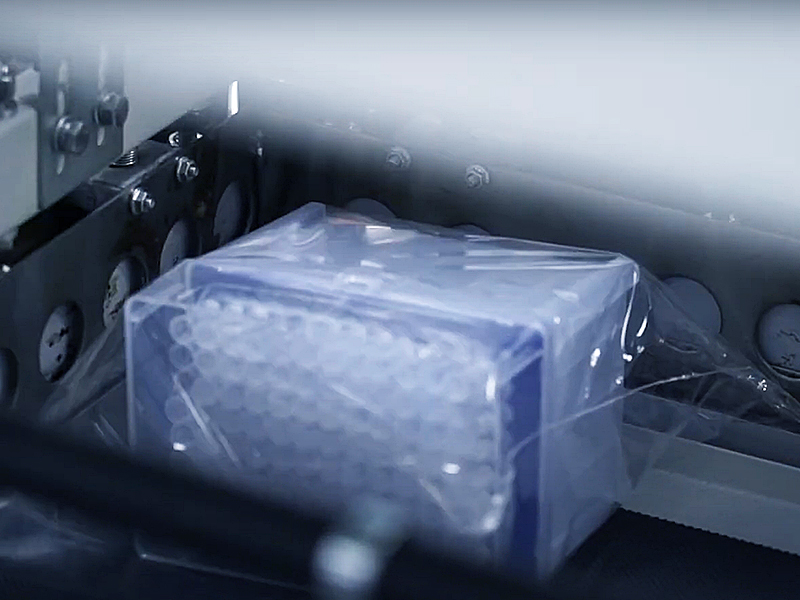
As a key component of modern packaging automation, the automatic cartoning machine has become essential for major manufacturers thanks to its efficiency, precision, stability, and eco-friendliness. It not only significantly enhances production efficiency and packaging quality but also reduces labor costs, enabling intelligent, standardized, and large-scale production. Looking ahead, driven by the advancement of Industry 4.0 and intelligent manufacturing, automatic cartoning machines will play a vital role across more sectors, helping enterprises reach new heights of efficient, intelligent production.