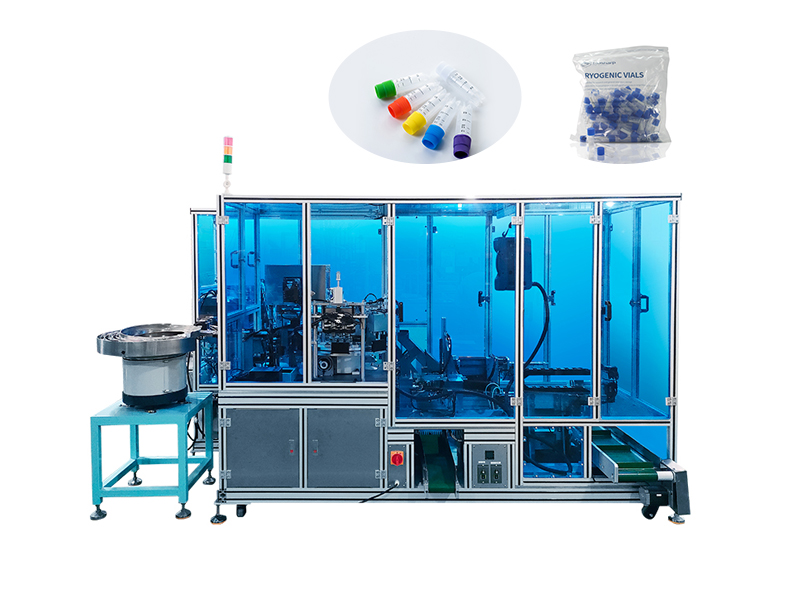
Automatic Packaging Machines: Efficient Assistants for Smart Manufacturing
In modern industrial production, product packaging has evolved from merely serving protective and aesthetic purposes into a critical link for enhancing production efficiency, reducing costs, and ensuring product quality. Traditional manual packaging methods—characterized by low efficiency, significant error rates, and high labor costs—can no longer meet the production demands of modern enterprises. As key equipment in intelligent manufacturing, automatic packaging machines offer advantages such as automation, high efficiency, and precision; they are widely used across industries including food, pharmaceuticals, cosmetics, household chemicals, electronics, and hardware, serving as vital tools for boosting corporate competitiveness.
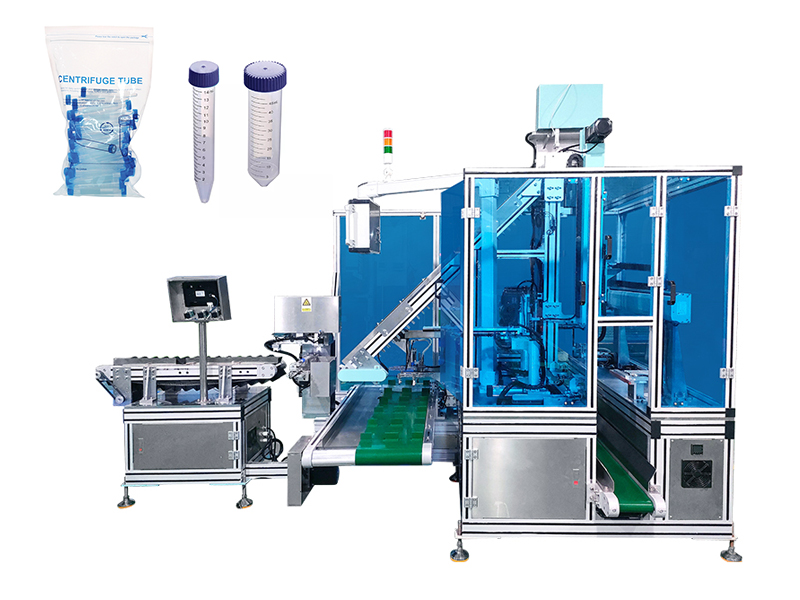
Working Principles and Structure of Automatic Packaging Machines
1. Automatic packaging machines utilize mechanical transmission, pneumatics, and electronic control technologies to execute a series of packaging processes, including automatic material feeding, metering, bagging/boxing, sealing, and coding. The basic workflow includes:
Material Conveying and Metering: Raw materials enter the metering system via a feeding device or hopper; after precise weighing, they are distributed to the packaging station.
Packaging Material Conveying and Forming: Packaging film or pre-made bags are automatically unrolled and formed into packaging containers.
Material Filling and Sealing: Materials are automatically filled into bags or boxes, which are then sealed using methods such as heat sealing, capping, or bonding.
Coding and Inspection: The equipment automatically performs tasks such as inkjet coding, batch number printing, and label application, while also rejecting non-conforming products.
2. Automatic packaging machines typically consist of the following major components:
Feeding System: Responsible for transporting materials into the packaging machine; common types include screw feeders, vibratory feeders, and vacuum feeders.
Metering Device: Selects the metering method based on product characteristics—such as electronic weighing, volumetric metering, or auger (screw) metering.
Packaging Material Conveying Mechanism: Automatically unfolds packaging materials and completes the forming and sealing processes.
Control System: Employs PLC control and a touchscreen interface, allowing for parameter adjustment and real-time monitoring of equipment status. Inspection system: Includes devices for detecting missing items and seal defects, as well as a rejection mechanism, to ensure packaging quality.
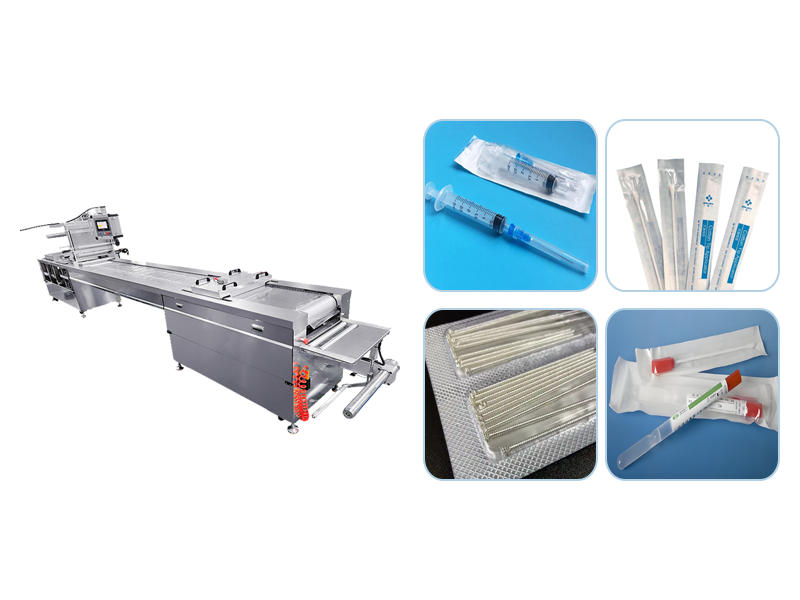
Advantages of Automatic Packaging Machines
1. Increased production efficiency and reduced labor costs
Automatic packaging machines enable continuous, 24-hour operation, offering efficiency far superior to manual packaging. Automated processes minimize human intervention, significantly lowering labor costs. With high packaging speeds—capable of processing anywhere from dozens to hundreds of packages per minute—they substantially boost production capacity.
2. Precise packaging and consistent quality
Equipped with high-precision metering and inspection systems, these machines ensure the weight of every bag or box is accurate and consistent. Seals are neat and secure, preventing air leaks, seepage, and contamination. Built-in inspection devices automatically reject products with incomplete seals, missing contents, or other defects.
3. Ease of operation and intelligent control
Featuring PLC control systems and touchscreen interfaces, operation is intuitive and convenient. Adjustable parameters accommodate various packaging specifications, while automatic alarm and fault-alert functions facilitate easy maintenance.
4. Material savings and eco-friendly efficiency
Precision feeding and sealing technologies effectively minimize waste of both product and packaging materials. Efficient sealing extends product shelf life and prevents contamination, meeting environmental and hygiene standards.
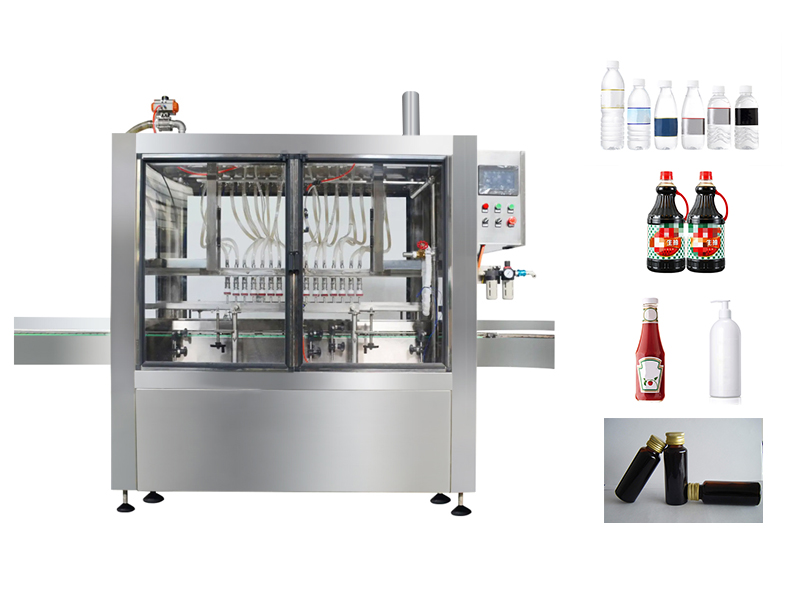
Thanks to their high efficiency, precision, and intelligent capabilities, automatic packaging machines have become essential equipment for modern enterprises seeking to achieve automated production. They not only significantly boost efficiency but also ensure consistent, high-quality packaging aesthetics, meeting the diverse needs of various products. As Industry 4.0 and smart manufacturing evolve, automatic packaging machines will advance toward even higher speeds, greater intelligence, and improved energy efficiency, helping enterprises achieve smart, scalable, and highly efficient production.