Multifunctional Filling Machine: Key Equipment for Boosting Production Efficiency
In modern manufacturing, the filling process is a crucial step across industries such as food, beverages, pharmaceuticals, and chemicals. While traditional filling equipment was often limited to handling only a single type of material, the rising market demand for diversified and flexible production has led to the emergence of multi-functional filling machines. Characterized by high automation, broad applicability, and precision efficiency, these machines have become vital tools for enhancing productivity and optimizing costs across various sectors.
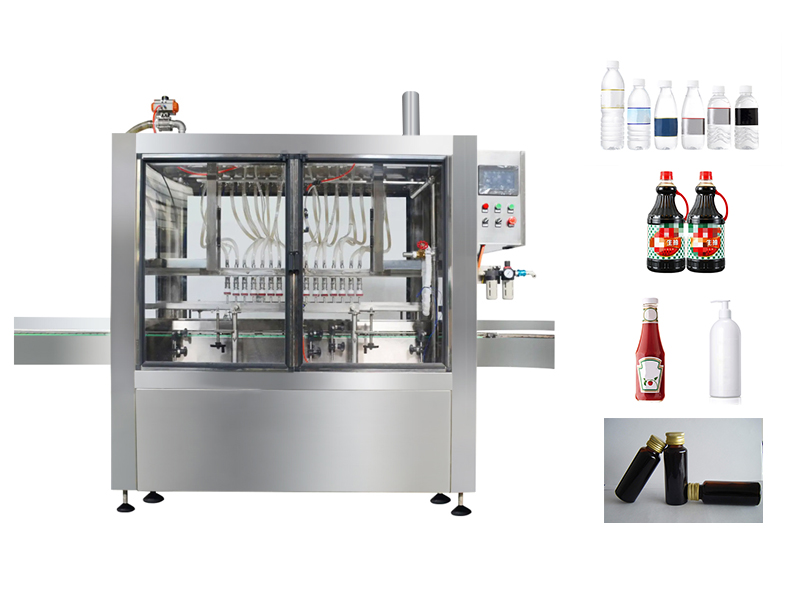
Multi-functional filling machines are primarily designed to precisely fill containers with materials in various forms—such as liquids, pastes, powders, or granules—while ensuring packaging quality. Their operation relies on an automated control system that utilizes sensors, PLCs (Programmable Logic Controllers), and servo motors to precisely manage the filling process, thereby ensuring efficient and stable production.
Generally, the basic workflow of a multi-functional filling machine is as follows:
1. Container Infeed: An automatic conveyor system transports the containers to the work platform and arranges them in sequence.
2. Positioning and Detection: Sensors detect the container's position, size, and type, while an intelligent adjustment system selects the appropriate filling mode.
3. Filling: Depending on the material's characteristics, a specific filling method—such as gravity, negative pressure, piston, or auger filling—is selected to ensure precision.
4. Sealing and Capping: Once filling is complete, the machine automatically performs sealing or capping operations to ensure product quality and seal integrity.
5. Container Outfeed and Inspection: Finished products are conveyed to the next stage of the process, while an intelligent inspection system performs quality checks and rejects any non-conforming items.
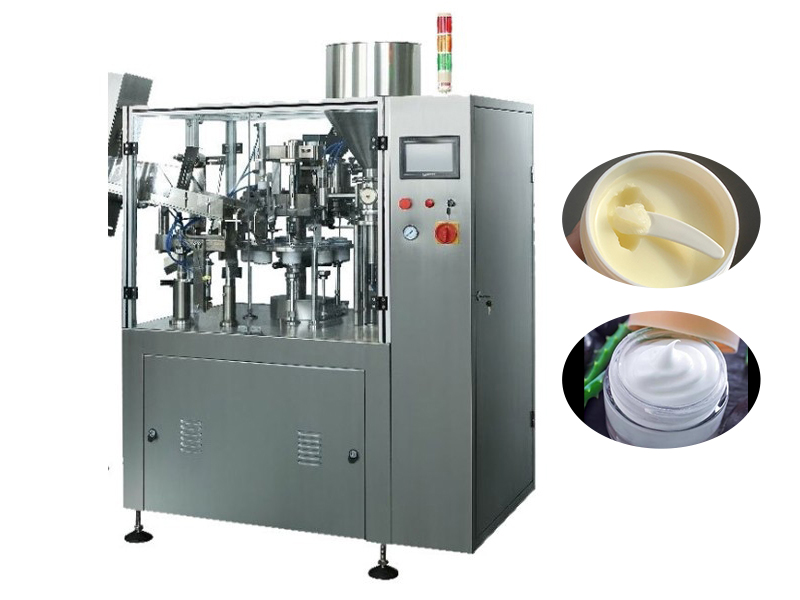
Key Features of Multifunctional Filling Machines
1. High Automation: The entire process—from material feeding to filling, capping, and labeling—is automated, minimizing manual intervention and boosting production efficiency.
2. Wide Applicability: Compatible with materials and containers of various specifications and forms (liquids, pastes, powders, granules, etc.), meeting the needs of diverse industries.
3. Precision Filling: Utilizes advanced measurement and control systems to achieve filling accuracy of up to ±0.5%, reducing waste and enhancing product consistency.
4. Smart Adjustment: Touchscreen controls allow for rapid adjustment of filling volume, speed, and operating modes, enabling flexible production to suit various manufacturing requirements.
5. Easy Cleaning: Many models feature CIP (Clean-in-Place) systems, reducing cleaning downtime and ensuring compliance with hygiene standards in the food and pharmaceutical industries.
6. Energy Efficiency and Sustainability: Optimized power system designs lower energy consumption and minimize material waste, aligning with sustainable development trends.
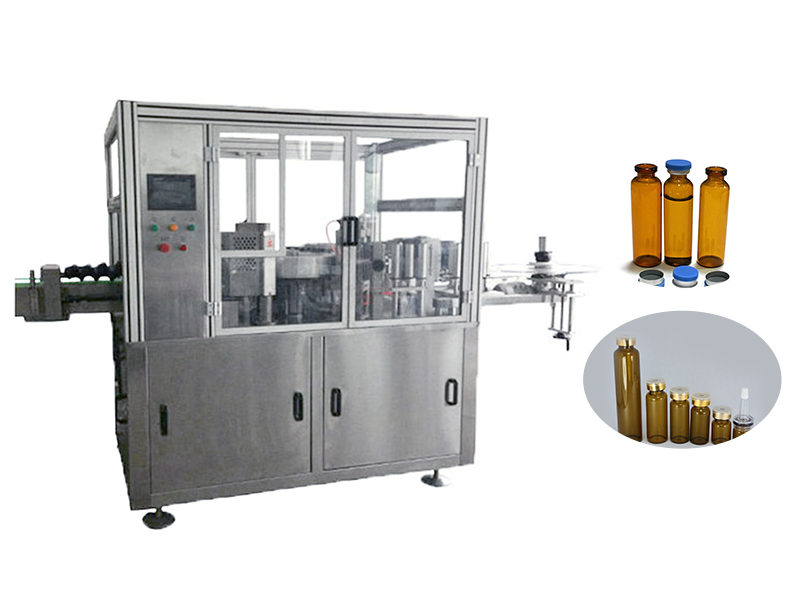
As a vital component of modern production lines, the multifunctional filling machine plays a crucial role in sectors such as food, pharmaceuticals, cosmetics, and chemicals. Its high efficiency, precision, and versatility enable enterprises to enhance productivity and reduce costs while maintaining product quality. Looking ahead, advancements in smart technology and eco-friendly solutions will further elevate the automation capabilities of these machines, generating greater economic value for businesses and driving the industry toward greener, more efficient operations.