Automation Equipment Manufacturers: The Core Driving Force of Intelligent Manufacturing
Against the backdrop of the accelerating global transformation and upgrading of the manufacturing sector, manufacturers of automation equipment have emerged as a pivotal force driving the intelligentization of industrial production, the enhancement of efficiency, and the optimization of costs. Automation equipment is widely utilized across industries such as food, pharmaceuticals, electronics, packaging, automotive, and chemicals. By leveraging technologies such as robotics, intelligent control systems, and sensor technology, these solutions enable the automation, intelligentization, and unmanned operation of production processes—thereby vastly improving both production efficiency and product quality. This article will delve into the role of automation equipment manufacturers, the current state of the industry, their core competencies, and future development trends.
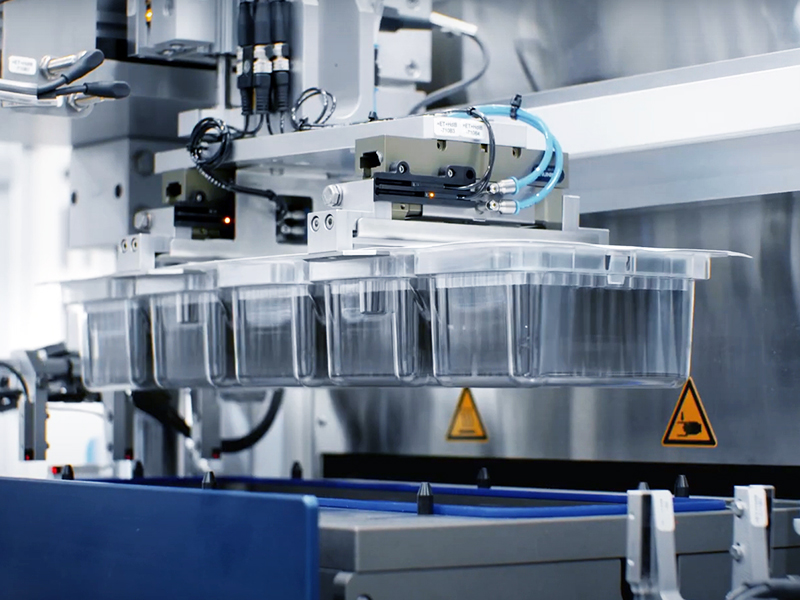
Current Status of the Automation Equipment Manufacturing Industry
With the rapid advancement of Industry 4.0 and intelligent manufacturing, the global manufacturing sector is transitioning into an era of high-level automation, leading to a continuous surge in market demand for automation equipment manufacturers. Currently, the automation equipment industry is characterized by the following key features:
1. Robust Market Demand and Broad Industry Applications: Automation equipment finds extensive application across a multitude of fields—including food packaging, pharmaceutical production, 3C electronics manufacturing, automotive assembly, logistics sorting, and intelligent warehousing—offering vast market prospects.
2. Rapid Development of Intelligent Technologies: Modern automation equipment integrates advanced technologies—such as PLC control systems, industrial robots, Artificial Intelligence (AI), the Internet of Things (IoT), and big data analytics—to facilitate intelligent production.
3. Increasing Demand for Personalized Customization: Given the varying automation requirements across different industries, an increasing number of manufacturers are offering customized automation solutions designed to meet the specific needs of individual enterprises.
4. Pronounced Industry Cluster Effects: Major manufacturing nations—exemplified by China, Germany, Japan, and the United States—have established industry clusters for automation equipment, thereby driving the large-scale development of the sector.
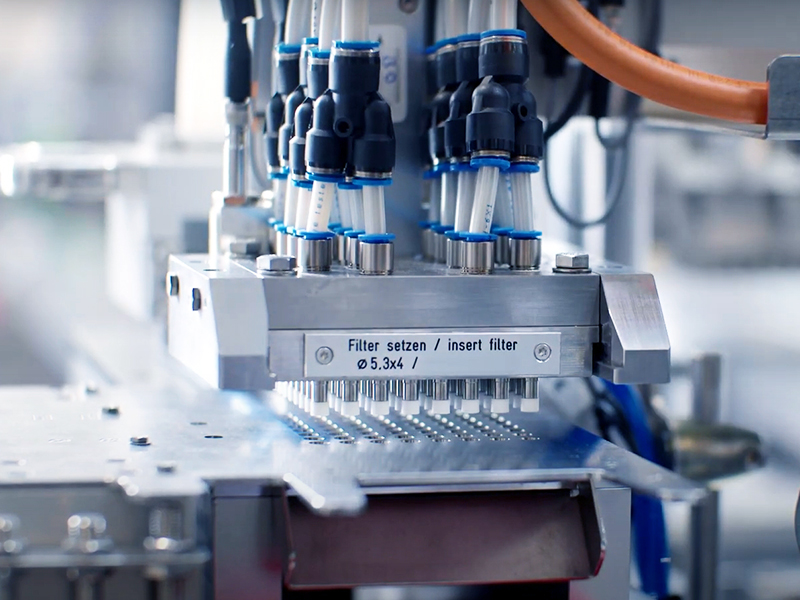
Core Competencies of Automation Equipment Manufacturers
To secure a leading position amidst fierce market competition, manufacturers of automation equipment must possess the following core competencies:
1. Technical R&D Capabilities: Maintaining a robust technical R&D team to drive continuous innovation and develop automation equipment characterized by high precision, high stability, and advanced intelligence. By integrating cutting-edge technologies—such as Artificial Intelligence (AI), Big Data, 5G communication, and the Internet of Things (IoT)—manufacturers can achieve intelligent upgrades for their equipment.
2. Product Quality and Stability: Utilizing high-quality materials and advanced processing techniques to ensure equipment operates stably and durably, thereby enhancing customer satisfaction. Equipment must comply with international standards—including ISO quality management systems, CE certification, and GMP standards—to ensure market competitiveness.
3. Customized Solutions: Providing personalized automation production lines and equipment tailored to the specific production requirements of different enterprises, thereby boosting clients' production efficiency and product quality.
4. After-Sales Service System: Offering comprehensive, one-stop services—such as remote diagnostics, online technical support, and routine maintenance—to ensure the long-term, stable operation of the equipment.
5. Cost Control and Production Efficiency: Reducing production costs and enhancing market competitiveness through the optimization of production processes, refined management practices, and supply chain integration.
6. Brand Influence: Building a renowned brand within the industry through technological innovation and strategic market promotion, thereby increasing market share and customer recognition.
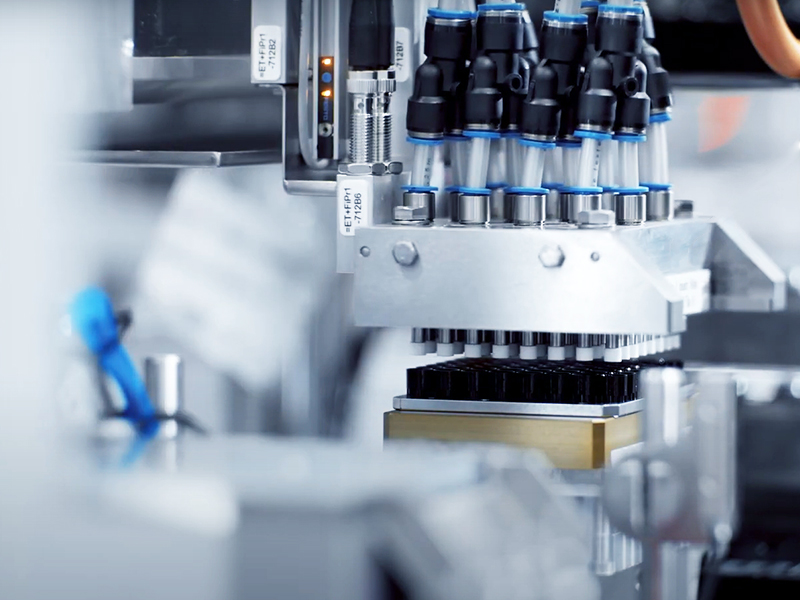
Automation equipment manufacturers serve as the core force driving intelligent manufacturing, boosting production efficiency, and reducing manufacturing costs. With the advancement of technology, automation equipment is evolving toward greater intelligence, flexibility, and eco-friendliness, providing various industries with more advanced and efficient automated production solutions. In the future, automation equipment manufacturers will continue to focus their efforts on technological innovation, product optimization, and intelligent manufacturing, offering powerful support for the upgrading of the global manufacturing sector and helping enterprises transition toward a more efficient and intelligent future.