Fully Automated Production Lines: The Future Path of Intelligent Manufacturing
With the rapid advancement of global manufacturing and the advent of the era of smart manufacturing, fully automated production lines have emerged as the core driving force behind modern industrial production. By leveraging advanced technologies—such as robotics, intelligent control systems, data analytics, and artificial intelligence (AI)—these lines automate the entire operational workflow: from raw material conveyance, processing, and inspection to packaging and the output of finished products. This process significantly boosts production efficiency, reduces costs, and ensures consistent product quality.
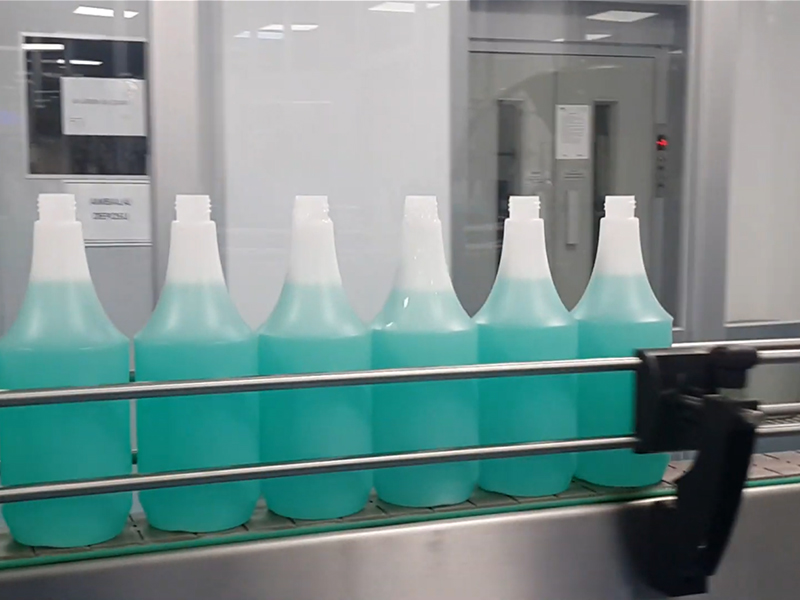
A fully automated production line typically comprises several key components: automated feeding systems, intelligent processing equipment, robotic operating systems, smart inspection devices, and data management systems. Its operational workflow is outlined as follows:
1. Automated Raw Material Conveyance: Utilizing methods such as conveyor belts, robotic manipulators, and AGVs (Automated Guided Vehicles) to achieve the automated transfer of raw materials.
2. Intelligent Processing and Assembly: Executing product manufacturing and assembly tasks through high-precision equipment, including CNC machining centers, 3D printing devices, and automated welding robots.
3. Quality Inspection and Optimization: Integrating technologies such as machine vision, X-ray inspection, and AI-driven intelligent analysis to ensure that the quality at every stage of the production process meets established standards.
4. Automated Packaging and Labeling: Completing the packaging, label printing, and sorting of finished products using fully automated packaging machines, inkjet coders, and barcode printing systems.
5. Intelligent Warehousing and Logistics: Employing automated sorting systems, intelligent high-bay warehouses, and unmanned transport vehicles to facilitate highly efficient warehousing and logistics management.
6. Data Monitoring and Remote Management: Leveraging the Industrial Internet of Things (IIoT) and cloud computing to enable remote monitoring, intelligent diagnostics, and real-time analysis of production data.
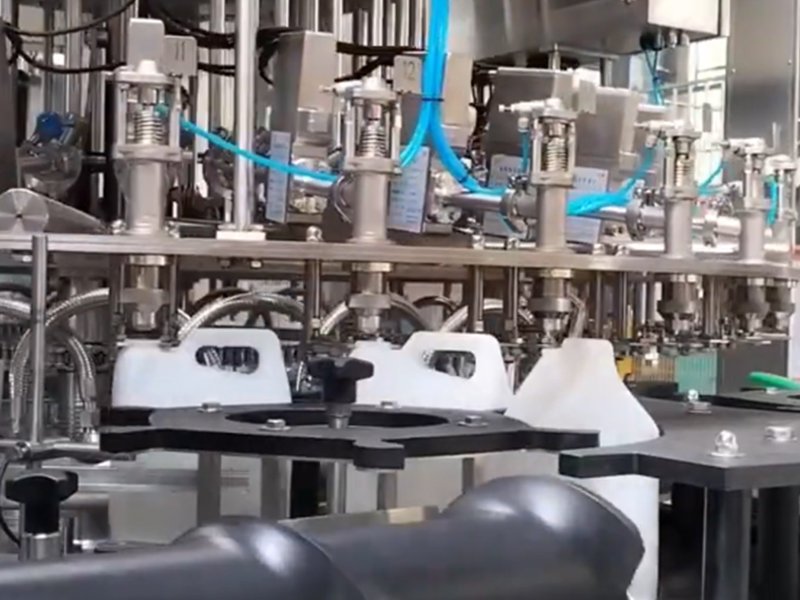
Core Advantages of Fully Automated Production Lines
1. Enhanced Production Efficiency: Operating continuously 24 hours a day, production efficiency is increased 35-fold compared to traditional manual operations.
2. Reduced Labor Costs: While traditional production lines require a large workforce, fully automated lines minimize reliance on manual labor, thereby lowering a company's operational costs.
3. Improved Product Quality Consistency: By incorporating intelligent inspection systems and standardized procedures, product quality consistency is ensured, and errors resulting from human intervention are minimized.
4. Optimized Resource Utilization and Reduced Production Costs: Precise control over raw material usage reduces waste and boosts overall production efficiency.
5. Flexible Production to Meet Diverse Needs: Modern fully automated production lines support flexible manufacturing, allowing for rapid switching between production modes to accommodate products of varying specifications and models.
6. Intelligent Data Management and Real-time Monitoring: Through cloud-based data analytics and AI-driven predictive maintenance, production anomalies are detected in real-time, thereby extending the operational lifespan of equipment.
7. Enhanced Safety: The implementation of intelligent safety systems and automated self-diagnostic functions reduces the risk of workers being exposed to hazardous tasks, significantly improving overall production safety.
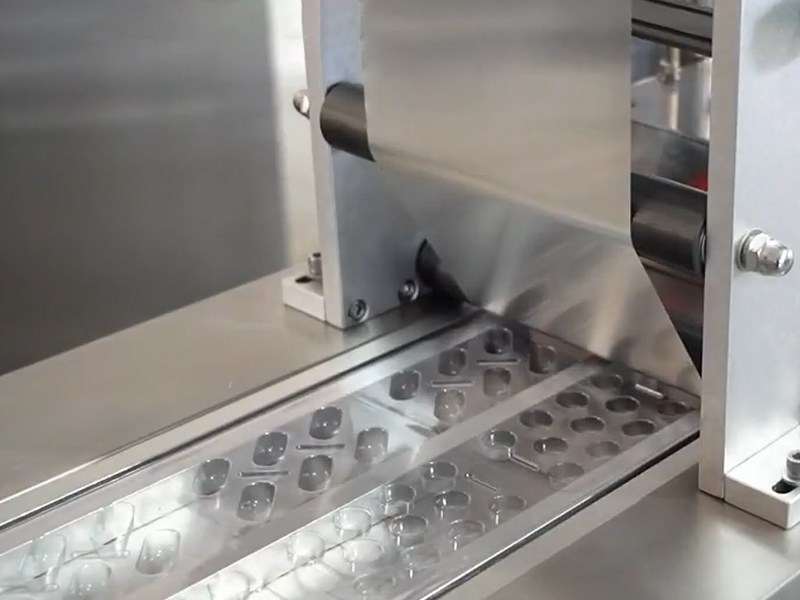
Fully automated production lines serve not only as a pivotal tool for boosting efficiency in modern industrial manufacturing but also as a fundamental component of the future era of intelligent manufacturing and Industry 4.0. By leveraging intelligent, data-driven, and unmanned operations, these lines boost production efficiency, reduce costs, and optimize product quality, thereby propelling various industries toward a new phase of intelligent manufacturing. Looking ahead, as technologies such as AI, 5G, and the Industrial Internet of Things (IIoT) continue to advance, fully automated production lines will become even more sophisticated and intelligent, opening up vast new horizons for innovation and growth within the manufacturing sector.