Fully Automated Packaging Equipment: The Core Driving Force of Intelligent Manufacturing
Fully automated packaging equipment utilizes an intelligent PLC control system, integrating technologies such as mechanical transmission, pneumatic control, photoelectric detection, and data management to execute a comprehensive series of automated packaging processes—ranging from material conveying, weighing and metering, filling and sealing, and printing and labeling, to the final conveying of finished products.
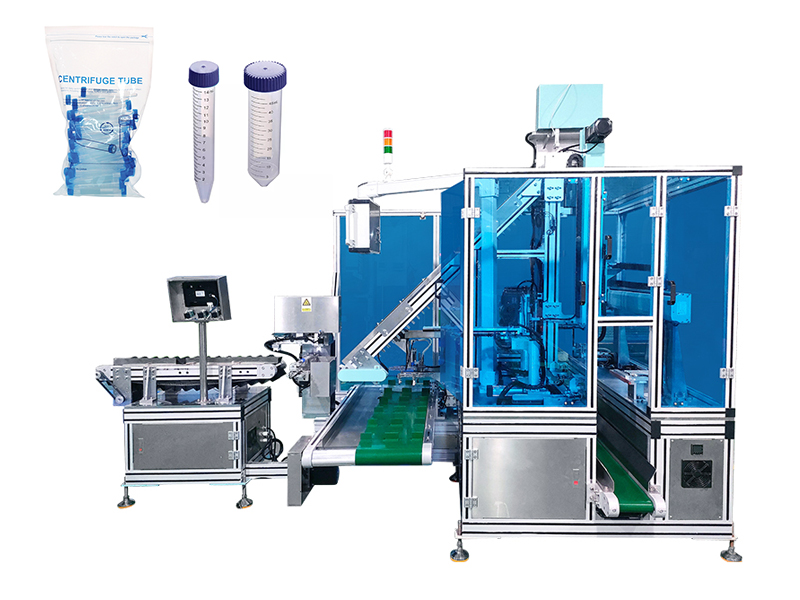
Its primary workflow is outlined as follows:
1. Automated Material Conveying: Products awaiting packaging are transported to the packaging equipment via mechanisms such as belt conveyors, screw conveyors, or vacuum conveyors.
2. Metering and Filling: Various metering methods—including weighing, screw-type, piston-type, or flow-meter-based systems—are employed to ensure precise and accurate material filling.
3. Packaging Bag or Container Supply: The system automatically picks up bags, blows them open, or positions bottles and boxes, ensuring that the containers are stable and free from contamination.
4. Sealing and Enclosure: Techniques such as heat sealing, cold sealing, fold sealing, or vacuum sealing are applied to ensure the integrity of the package seal and extend the product's shelf life.
5. Printing and Labeling: Inkjet coders, thermal transfer printers, and labeling machines are utilized to print production dates, batch numbers, barcodes, or QR codes, as well as to apply labels.
6. Automated Inspection and Rejection: The equipment is outfitted with machine vision systems, weight checkers, and metal detectors to identify and reject non-conforming products, thereby ensuring consistent quality.
7. Finished Product Conveying and Cartoning: Automated sorting and palletizing systems are employed to automatically stack, carton, and transfer the packaged products into storage.
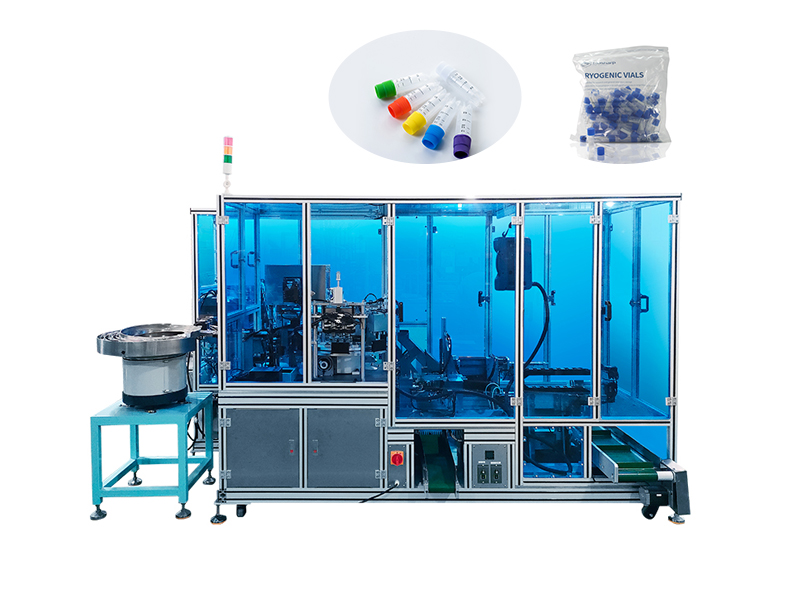
Core Advantages of Fully Automated Packaging Equipment
1. Enhanced Production Efficiency: Capable of operating continuously 24 hours a day, packaging speeds can reach anywhere from dozens to hundreds of units per minute, thereby significantly boosting production efficiency.
2. Reduced Labor Costs: Automated operations minimize reliance on manual labor—a benefit particularly valuable in labor-intensive industries—and can reduce personnel costs by 30% to 50%.
3. Improved Packaging Quality and Consistency: Utilizing high-precision sensors and intelligent control systems, the equipment ensures uniformity across every product regarding packaging dimensions, weight, and seal integrity, while simultaneously minimizing human error.
4. Adaptability to Diverse Packaging Needs: Suitable for various packaging formats—including bottles, bags, boxes, and cans—the equipment settings can be rapidly adjusted to accommodate specific requirements.
5. Reduced Material Waste: Precise control over filling volumes minimizes overfilling and material wastage, thereby enhancing resource utilization efficiency and lowering production costs.
6. Intelligent Inspection and Loss Reduction: Through automated inspection systems, defective products are automatically rejected, thereby mitigating the financial losses associated with substandard goods.
7. Energy Efficiency and Environmental Sustainability: By incorporating low-energy technologies and eco-friendly packaging materials, the equipment reduces carbon emissions and adheres to green manufacturing standards.
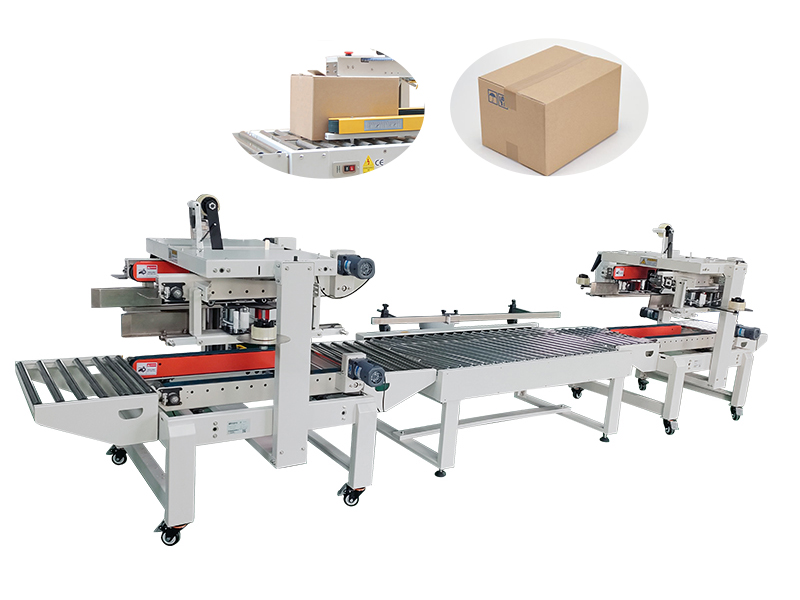
Fully automated packaging equipment constitutes a vital component of modern intelligent manufacturing. Distinguished by its efficiency, precision, energy conservation, and eco-friendly attributes, it has found widespread application across numerous industries. Driven by advancements in technologies such as Artificial Intelligence (AI), the Internet of Things (IoT), 5G, and Big Data, fully automated packaging equipment is evolving toward greater intelligence, flexibility, and environmental sustainability, bringing about revolutionary transformations within the global manufacturing sector. In the future, enterprises that fully leverage the capabilities of fully automated packaging equipment will secure a more advantageous position in the competitive market, thereby achieving more efficient and sustainable development.