Advantages and Applications of Automated Production Equipment
Automated production equipment refers to machinery that utilizes mechanical, electrical, computer, and intelligent control technologies to automate production processes. It encompasses a wide range of systems, including automated assembly lines, industrial robots, CNC machine tools, and intelligent inspection devices. Guided by pre-programmed instructions or AI-driven control systems, this equipment can execute various production tasks with high efficiency and precision, thereby minimizing manual intervention and enhancing production stability.
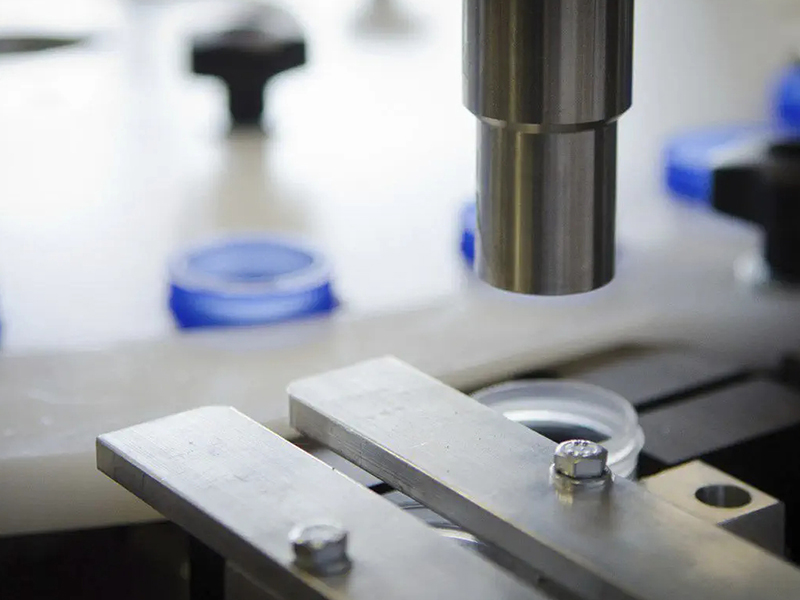
Advantages of Automated Production Equipment
1. Increased Production Efficiency: Traditional manual production methods are constrained by human speed and working hours; in contrast, automated equipment can operate continuously without the need for breaks, thereby significantly boosting production efficiency.
2. Reduced Labor Costs: Automated equipment can replace a substantial amount of manual labor, reducing an enterprise's reliance on human resources. This is particularly beneficial in environments where labor costs are rising, as automated production equipment can effectively lower overall operating expenses.
3. Ensured Product Quality Consistency: Manual operations can sometimes lead to inconsistencies in product quality; automated equipment, however, employs precision control technologies to ensure the standardization and uniformity of every production step, thereby reducing defect rates and improving overall product quality.
4. Enhanced Production Safety: In high-risk industries—such as chemical manufacturing, metallurgy, and mining—automated equipment can perform hazardous operations in place of human workers, thereby mitigating the risk of workplace injuries and enhancing overall production safety.
5. Flexible Production and Adaptability: Modern automated equipment facilitates the seamless switching between the production of different products. It allows for the rapid adjustment of production parameters to accommodate the specific requirements of various products, thereby enabling manufacturers to meet the increasingly personalized demands of the market.
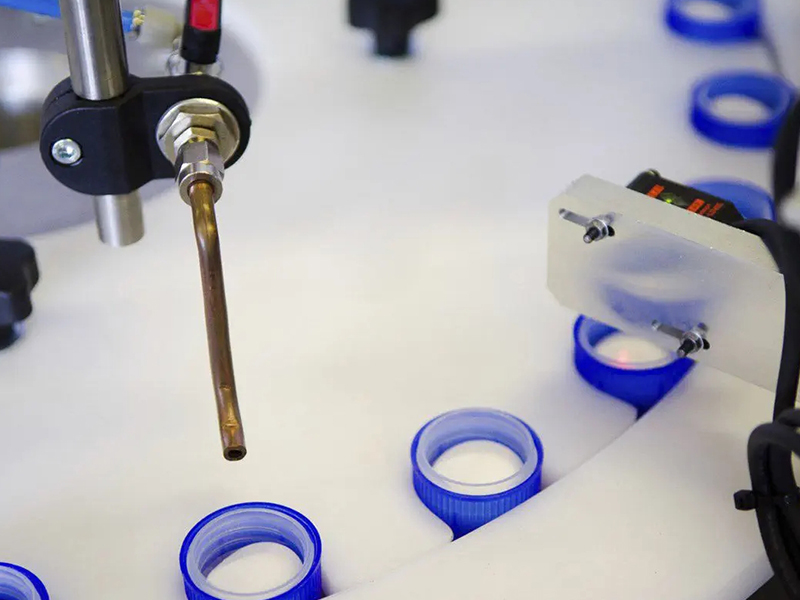
Application Fields of Automated Production Equipment
1. Food and Beverage Industry: Modern food processing plants widely utilize automated equipment—such as automatic packaging machines, filling machines, and sorting machines—to enhance production efficiency and ensure food safety.
2. Pharmaceutical Industry: Automated production equipment plays a pivotal role in the manufacturing and packaging of pharmaceuticals; devices such as capsule filling machines, drug packaging machines, and automated dispensing systems improve the precision and safety of drug production.
3. Electronics Manufacturing: The application of automated equipment in the electronics sector spans various stages, including PCB assembly, chip packaging, automated soldering, and testing, thereby boosting the production efficiency and quality of electronic products.
4. Automotive Manufacturing: Automated technologies—such as robotic welding, automated painting, and intelligent assembly—have become mainstream in the automotive manufacturing industry, increasing production efficiency and minimizing human error.
5. Chemical and Packaging Industries: The production of numerous chemical and packaging products relies on automated equipment—such as powder packaging machines, granule packaging machines, and liquid filling machines—making production processes more efficient and precise.
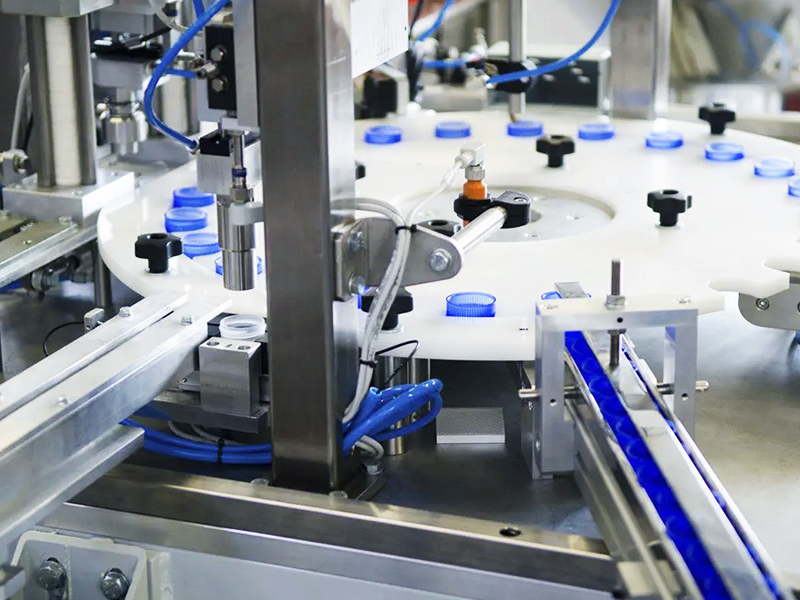
Automated production equipment represents a key direction in industrial development. It not only boosts production efficiency and reduces costs but also drives the manufacturing sector toward greater intelligence, efficiency, and sustainability. As technology continues to advance, the scope of application for automated production equipment will expand even further, providing robust technical support for the growth of industries across the board.