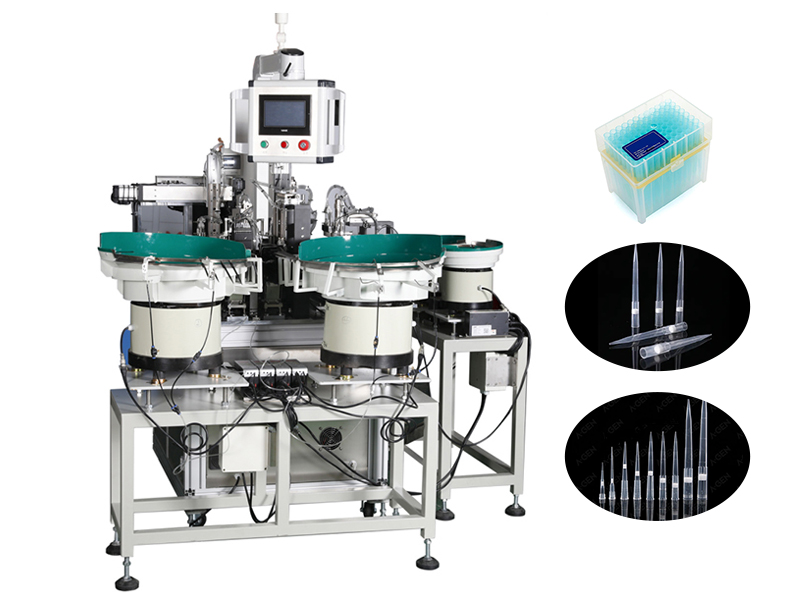
The Principles and Advantages of Automatic Pipette Tip Box-Filling Machines
With the rapid advancements in biotechnology, medical diagnostics, and laboratory automation, the demand for pipette tips has surged significantly. Traditional manual packaging methods are no longer capable of meeting the modern production requirements for efficiency, precision, and hygiene; consequently, the automated pipette tip boxing machine has emerged to address this need. This equipment is capable of automatically executing a series of processes—including sorting, aligning, boxing, and sealing pipette tips—thereby substantially boosting production efficiency, minimizing manual intervention, and enhancing product quality.
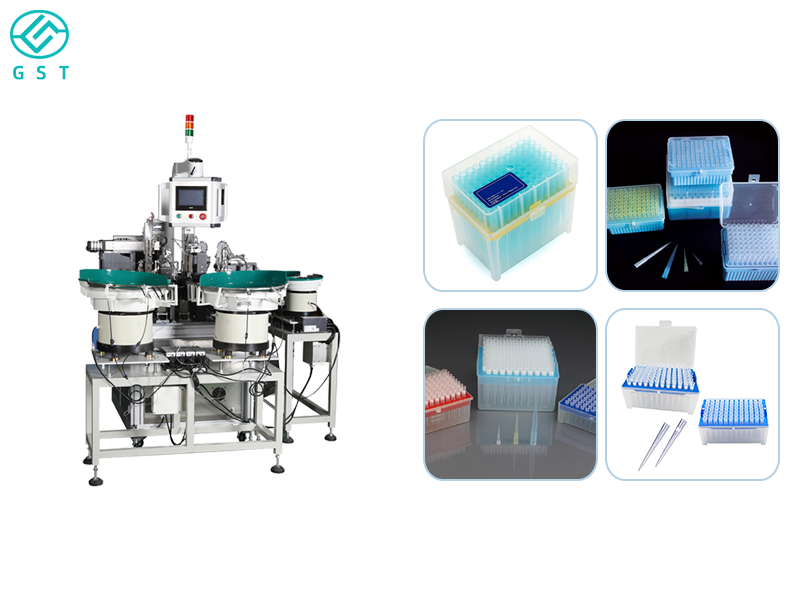
The automated pipette tip boxing machine primarily consists of a feeding system, a sorting system, a conveying system, a boxing system, and a sealing system. Its basic workflow is outlined as follows:
1. Feeding System: An automated feeding mechanism systematically conveys large batches of loose pipette tips to the sorting unit in an orderly manner.
2. Sorting System: Utilizing vibrating bowls, robotic arms, or vision recognition systems, this unit aligns the pipette tips to ensure they are uniformly oriented, thereby facilitating the subsequent boxing process.
3. Conveying System: The sorted pipette tips are transported via a conveyor belt to the boxing station; simultaneously, the boxing unit retrieves and positions the empty boxes in synchronization, preparing them for the loading of the tips.
4. Boxing System: Robotic arms or specialized grippers precisely place the pipette tips into their designated tip boxes, ensuring neat arrangement and compliance with standardization requirements.
5. Sealing System: Once the boxing process is complete, the equipment proceeds to seal the packages. This may be achieved through various methods—such as transparent plastic wrapping, heat sealing, or automated labeling—to ensure product integrity, airtightness, and protection against contamination.
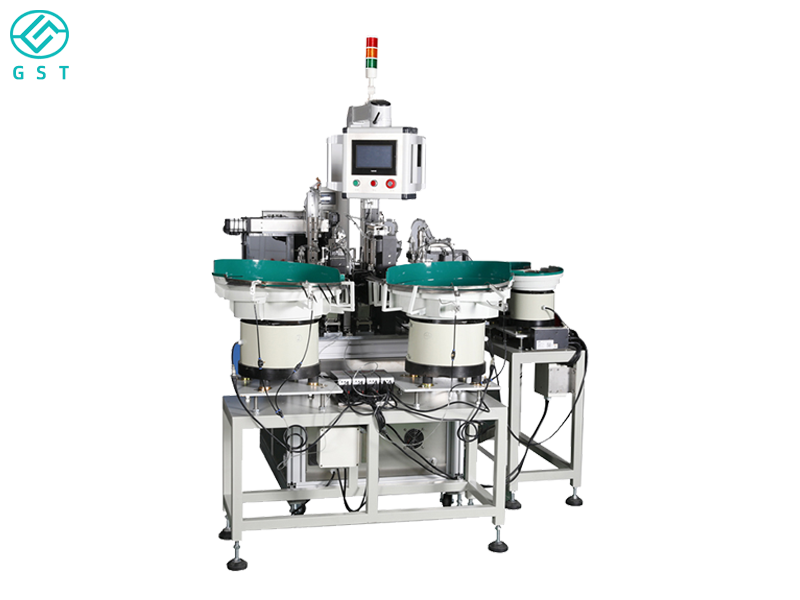
Advantages of Automatic Pipette Tip Cartoning Machines
1. High Production Efficiency and Reduced Labor Costs: Traditional manual cartoning methods require a large workforce; this is not only costly but also prone to human error. Automatic cartoning machines enable a high-speed, stable packaging process, significantly reducing labor requirements and boosting production efficiency.
2. High Precision and Error Reduction: The equipment utilizes advanced technologies—such as high-precision sensors, vision recognition systems, and robotic manipulators—to ensure that every pipette tip is placed into its box with absolute precision. This prevents issues such as misplacement or omissions, thereby enhancing product consistency and yield rates.
3. Clean, Contamination-Free Operation Compliant with Medical Standards: Since pipette tips are widely used in fields with extremely stringent cleanliness requirements—such as medical care and scientific research—this equipment features a dust-free design and fully enclosed operation. By minimizing human contact, it ensures the sterility of the products during the packaging process, thereby meeting GMP (Good Manufacturing Practice) requirements.
4. Strong Compatibility: Adaptable to Various Specifications: Modern pipette tips come in a wide variety of specifications (e.g., 10µL, 200µL, 1000µL). Automatic cartoning machines typically offer multi-specification compatibility, allowing users to quickly adjust molds and parameters as needed to accommodate the packaging requirements of different products.
5. Intelligent Control and User-Friendly Operation: The equipment is equipped with an intelligent PLC control system and a touchscreen interface. Operators can easily set production parameters, monitor equipment status, and quickly resolve issues via automatic alarm functions, ensuring continuous and stable production operations.
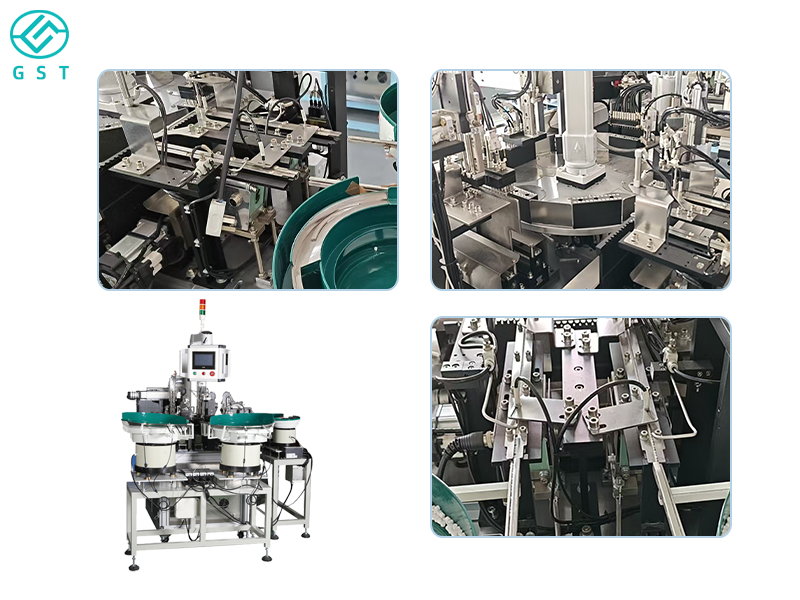
The advent of automatic pipette tip cartoning machines has brought about revolutionary changes in both the medical device industry and the field of laboratory automation. These machines not only boost production efficiency but also guarantee product quality and safety while simultaneously reducing labor costs. In the future—driven by technological advancements and market expansion—this equipment is poised to play an even more pivotal role across sectors such as medical care, scientific research, and biopharmaceuticals, helping to propel the industry toward a new era of intelligent manufacturing.