Principles and Features of Fully Automatic Liquid Packaging Machines
Fully automatic liquid packaging machines are indispensable equipment in the modern packaging industry, widely utilized across various sectors including food, beverages, pharmaceuticals, daily chemicals, and general chemical manufacturing. With the continuous advancement of automation technology, these machines play a pivotal role in boosting production efficiency, reducing labor costs, ensuring product quality, and enhancing the flexibility of production lines. This article explores fully automatic liquid packaging machines by examining their operating principles, key features, application fields, and market development trends.
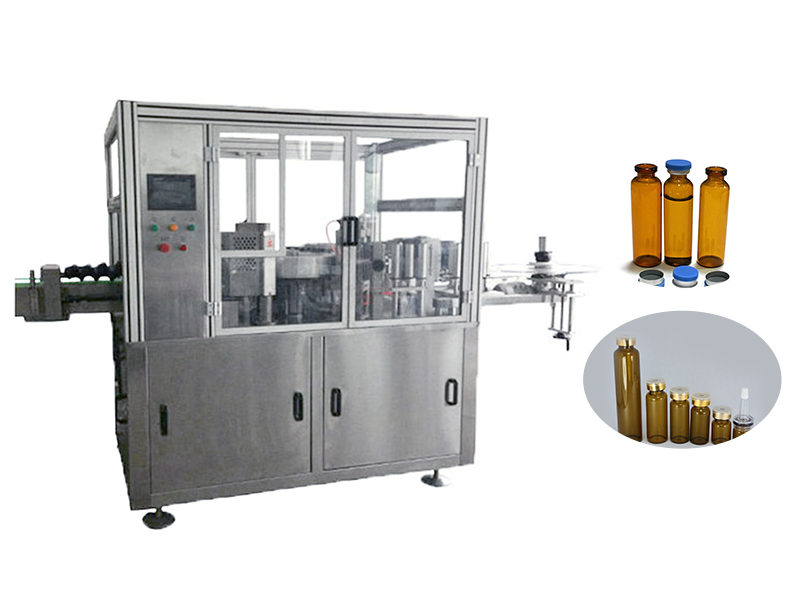
Fully automatic liquid packaging machines execute the entire process—from liquid filling to sealing—through a series of automated systems. They typically consist of the following components:
1. Automatic Feeding System: The packaging machine utilizes a feeding system to transport liquid materials from storage containers to the filling equipment. Depending on the type of liquid (e.g., water, beverages, medicinal fluids, etc.) and its viscosity, different conveying methods are employed, such as gravity flow, pumping, or negative pressure suction.
2. Metering and Filling: The core component of a fully automatic liquid packaging machine is its metering and filling system. Utilizing precision electronic load cells or flow meters, the equipment accurately measures the volume of liquid dispensed into each container, thereby ensuring consistent packaging accuracy. Furthermore, the machine can adjust filling speeds and volumes to accommodate liquids of varying viscosities, thereby meeting diverse production requirements.
3. Forming and Sealing: Once the filling process is complete, the packaging pouches or bottles are sealed using an automatic sealing mechanism. Sealing methods typically include heat sealing, pressure sealing, and others, all designed to ensure the airtightness of the liquid packaging. Since the quality of the seal directly impacts the product's shelf life and visual appeal, the precision of the sealing mechanism is of paramount importance.
4. Printing and Packaging: Finally, the equipment is typically outfitted with a printing device used to imprint information—such as production dates, batch numbers, and expiration dates—directly onto the packaging. Subsequently, the finished packages are conveyed via a transport system to the next stage of the production line, such as boxing, palletizing, or shipping.
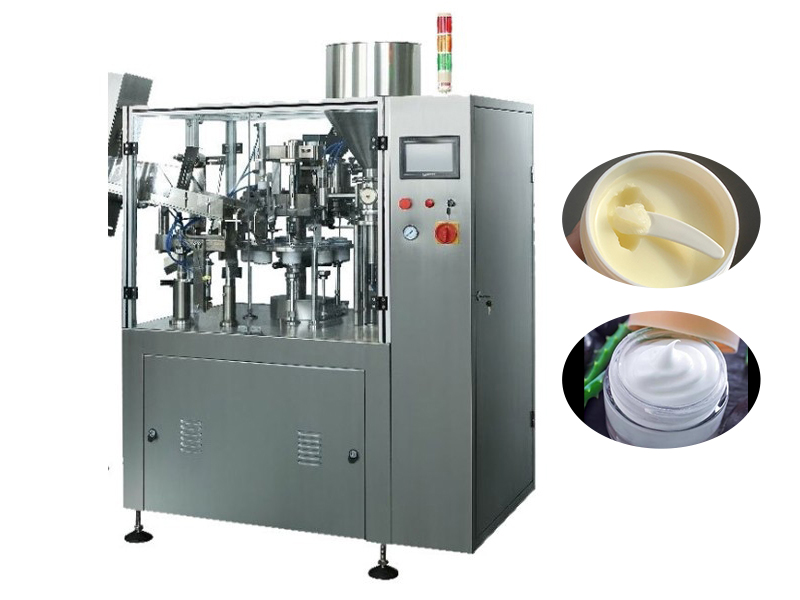
Key Features of Fully Automatic Liquid Packaging Machines
1. High-Efficiency Automation: Fully automatic liquid packaging machines are capable of performing multiple processes—such as liquid filling, sealing, and coding—without the need for manual intervention. This not only boosts production efficiency but also minimizes errors and costs associated with manual operations, thereby meeting the demands of large-scale production.
2. Precise Metering: These automatic machines employ high-precision metering systems to accurately control the filling volume for every bottle or pouch, ensuring the stability and consistency of the packaging. Particularly in the food and pharmaceutical industries, where metering accuracy is critical, the equipment's precision significantly improves product pass rates.
3. Intelligent Control Systems: Modern fully automatic liquid packaging machines are equipped with intelligent control systems. Information regarding the machine's operational status, production speed, and fault alerts can be monitored and adjusted in real-time via a touchscreen interface or remote control. Furthermore, the system can store various packaging parameters, facilitating the rapid switching of production modes for different products.
4. Flexible Adaptability: Fully automatic liquid packaging machines can be flexibly adjusted to meet specific production requirements, accommodating a wide variety of packaging containers in different types and sizes—including bottles, pouches, and cans. By simply changing molds or adjusting parameters, the equipment can quickly adapt to package different products, thereby enhancing the overall flexibility of the production line.
5. Convenient Cleaning and Maintenance: Liquid packaging machines are typically constructed from stainless steel, ensuring compliance with food safety and hygiene standards while offering smooth surfaces that are easy to clean. The equipment features a streamlined design that facilitates easy maintenance and upkeep, thereby minimizing downtime and extending the machine's operational lifespan.
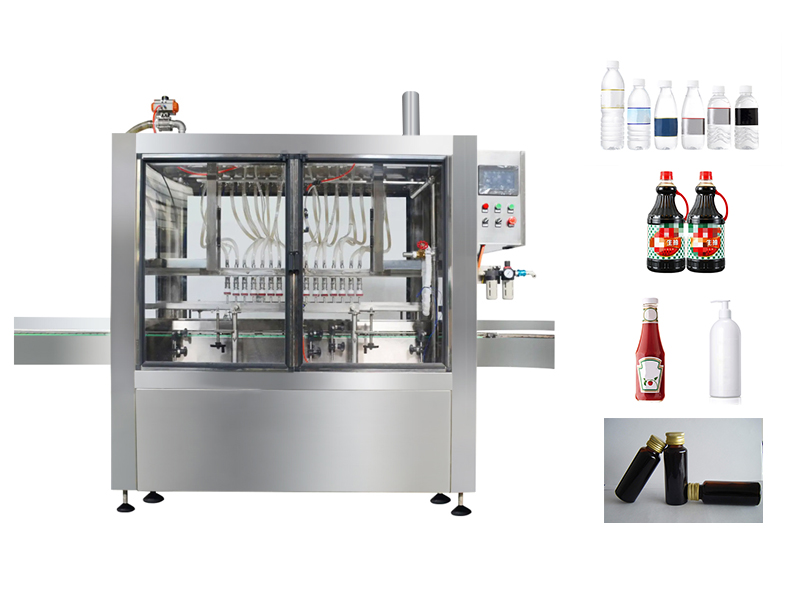
As a pivotal piece of equipment in the modern packaging industry, the fully automatic liquid packaging machine has become an essential component of production lines across numerous sectors, thanks to its advantages in efficiency, precision, and intelligence. Driven by continuous technological advancements, these machines are evolving toward greater intelligence, eco-friendliness, and efficiency, thereby driving the ongoing upgrading of the packaging industry. Whether in the food, pharmaceutical, chemical, or daily chemical sectors, fully automatic liquid packaging machines are poised to play an even more significant role in future production, empowering enterprises to maintain their competitive edge amidst fierce market competition.