Automatic Quantitative Granule Packaging Machine: Enhancing Production Efficiency and Packaging Precision
With the continuous advancement of industrial automation, automatic quantitative granule packaging machines have emerged as core equipment across numerous sectors—particularly in the food, chemical, and pharmaceutical industries. These machines are capable of precisely weighing and packaging granular materials, thereby minimizing manual intervention and significantly boosting production efficiency. This article explores the operating principles, application fields, advantages, and future development trends of automatic quantitative granule packaging machines.
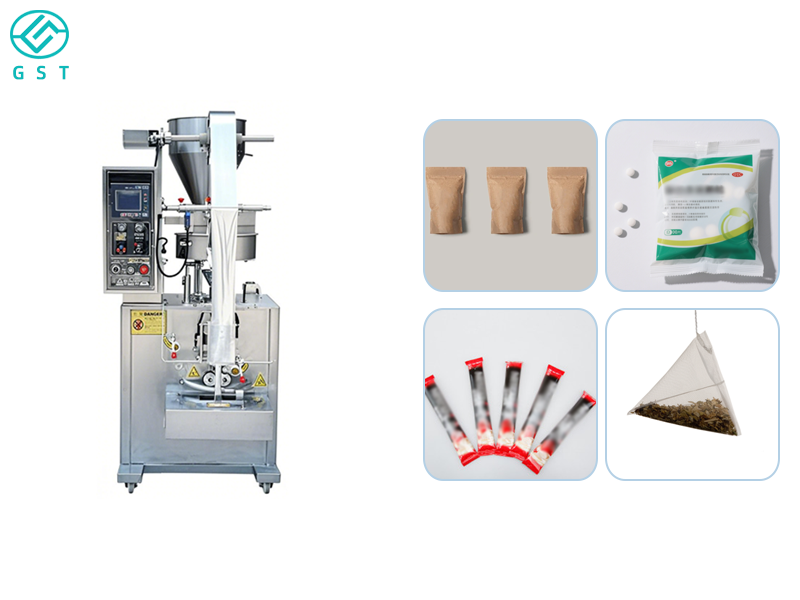
The workflow of an automatic quantitative granule packaging machine can be broadly divided into several key stages: material conveyance, metering, packaging, sealing, and finished product output.
1. Material Conveyance: Granular materials are fed into the machine's metering unit via a feeding system. Depending on the specific characteristics of the material (such as its fluidity), the feeding system can employ various conveyance methods—such as vibratory feeding or screw conveying—to ensure a smooth and uniform flow of material into the metering unit.
2. Quantitative Metering: The metering system constitutes the core component of the automatic quantitative granule packaging machine. The equipment utilizes high-precision electronic scales, volumetric meters, or metering screws to weigh the material quantitatively, thereby guaranteeing the precise and accurate weight of the contents in every package. Common metering methods include weight-based metering and volume-based metering.
3. Packaging Process: Once metering is complete, the material is transferred into the packaging bags via a conveying mechanism. The packaging process within an automatic quantitative granule packaging machine typically involves a sequence of steps: automatic bag opening, filling, and sealing. Based on pre-configured packaging specifications, the machine automatically fills the prepared bags with the material, ensuring weight consistency across every package.
4. Sealing and Coding: Upon completion of the filling process, the automatic quantitative granule packaging machine proceeds to seal the packages. Depending on specific requirements, various sealing technologies—such as heat sealing or pressure sealing—may be selected. Concurrently, the machine can perform coding operations to imprint essential information, such as production dates and batch numbers, onto the packages.
5. Finished Product Output: Finally, the completed packages are transported via a conveyor belt to the next stage of the production line—such as secondary processing or carton packing—before entering the product distribution channel.
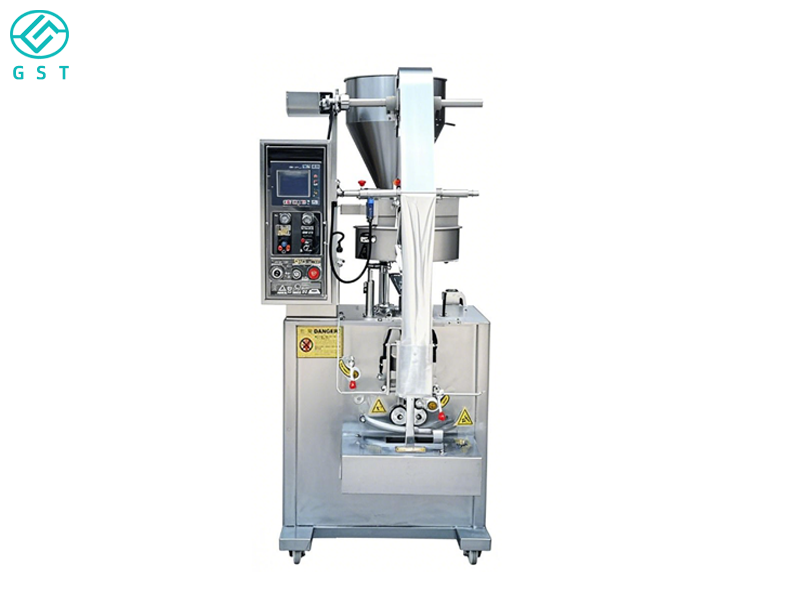
Advantages of Automatic Quantitative Granule Packaging Machines
1. Enhanced Packaging Accuracy: Automatic quantitative granule packaging machines enable high-precision material metering, ensuring that the quantity of material in every package aligns precisely with preset standards. Traditional manual packaging is often influenced by factors such as operator skill and experience—making it prone to overfilling or underfilling—whereas automated equipment effectively eliminates these issues.
2. Increased Production Efficiency: By automating operations, automatic quantitative granule packaging machines significantly boost production efficiency. The equipment can execute packaging tasks continuously and at high speeds, thereby drastically shortening production cycles. For large-scale production lines, the efficiency advantages of automatic packaging machines are particularly pronounced.
3. Reduced Labor Costs: Traditional manual packaging is not only inefficient but also requires substantial human input, resulting in high labor costs. Automatic quantitative granule packaging machines reduce labor costs by minimizing the need for human intervention. Furthermore, the high efficiency of the equipment allows factories to conserve labor resources, thereby enhancing the enterprise's overall economic benefits.
4. Minimized Material Waste: A precise quantitative system effectively reduces material waste during the packaging process. While traditional manual packaging may lead to material spillage or shortages due to improper handling or metering errors, automatic quantitative packaging machines ensure that the material quantity in every package is accurate and precise, thereby minimizing the waste of raw materials.
5. Improved Product Consistency and Appearance: Through standardized operational procedures, automatic quantitative granule packaging machines ensure visual consistency across every package; the bag's shape, sealing, and overall presentation are highly uniform, thereby elevating the product's overall quality and market image.
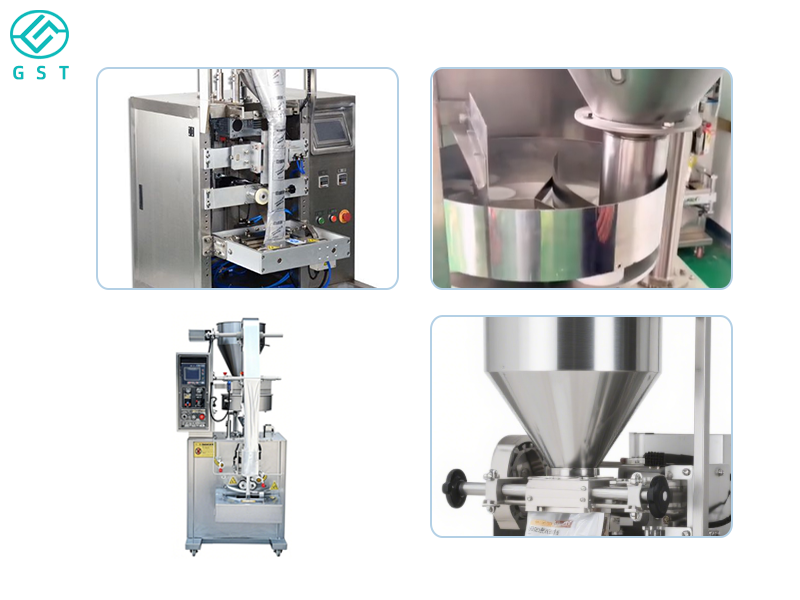
Leveraging their characteristics of high efficiency, precision, and automation, automatic quantitative granule packaging machines have become core equipment within packaging production lines across numerous industries. They not only boost production efficiency and reduce labor costs but also guarantee consistent packaging quality through their precise metering systems. As technology continues to advance, automatic quantitative granule packaging machines are poised to find widespread application in an even broader range of industries, driving the modernization and intelligent transformation of production processes.