Fully Automatic Quantitative Packaging Machine: An Efficient and Precise Packaging Solution
With the continuous advancement of industrial automation and intelligent manufacturing technologies, the packaging industry has undergone a profound transformation. As a vital piece of equipment in the modern packaging sector, fully automatic quantitative packaging machines—distinguished by their high efficiency and precision—are widely utilized across diverse industries, including food, chemicals, and pharmaceuticals. These machines are capable of automatically executing key stages of the production process—such as material metering, filling, and sealing—thereby not only boosting production efficiency but also ensuring the consistent quality of the final products. This article will delve into the operating principles, application fields, key features, and inherent advantages of fully automatic quantitative packaging machines.
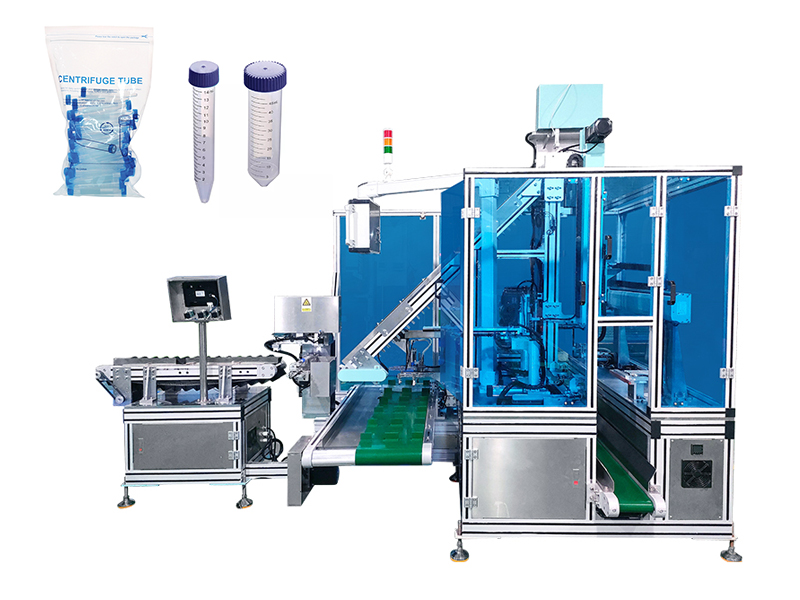
The workflow of a fully automatic quantitative packaging machine primarily comprises several critical steps: material conveyance, metering, filling, sealing, and finished product output. The specific operating principles are outlined below:
1. Material Conveyance: Materials are transported from a hopper or raw material silo to the packaging machine via an automated conveying system. Depending on the specific characteristics of the material, common conveyance methods—such as vibratory feeding or screw conveying—are employed to ensure a uniform and steady flow of material.
2. Quantitative Metering: This constitutes the core function of the fully automatic quantitative packaging machine. The equipment typically utilizes a high-precision electronic metering system (e.g., electronic weighing or volumetric measurement) to accurately measure the exact quantity of material required for each individual package, in accordance with pre-set standards. The metering precision of the machine directly impacts the overall quality and consistency of the packaging.
3. Automatic Filling: Once the metering system has determined the precise quantity of material required, the machine employs a filling mechanism to accurately dispense the material into the packaging bags. For liquid materials, a liquid filling head is typically used; for powdered or granular materials, a screw feeder or vibratory feeding system is commonly employed.
4. Sealing and Coding: Upon completion of the filling process, the packaging bags are sealed using a dedicated sealing unit; common sealing methods include heat sealing and pressure sealing. For products requiring traceability, the machine is also equipped with a coding system capable of printing essential information—such as production dates, batch numbers, and barcodes—directly onto the packaging bags.
5. Finished Product Output: Finally, the sealed packaging bags are transported via a conveyor belt to the subsequent stage of the workflow—such as inspection or carton packing—thereby completing the entire packaging cycle.
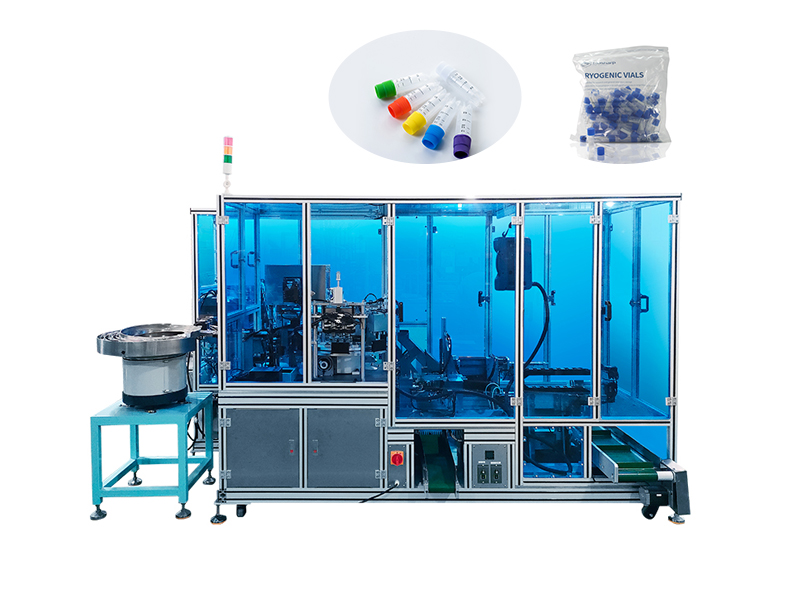
Key Features of Fully Automatic Quantitative Packaging Machines
1. High-Precision Metering System: Fully automatic quantitative packaging machines are typically equipped with high-precision electronic weighing devices. These systems ensure that the weight or volume of every package is precise and consistent, preventing overfilling or underfilling, minimizing waste, and guaranteeing the economic efficiency of production.
2. High Degree of Automation: The equipment is operated via a PLC control system and a touchscreen interface. Operators can easily set packaging parameters, monitor equipment status, and make adjustments, thereby reducing the need for manual intervention and significantly elevating the automation level of the production line.
3. Flexible Adaptability: Fully automatic quantitative packaging machines can accommodate a wide variety of packaging formats—such as bags, bottles, and cans—while simultaneously meeting the packaging requirements of diverse materials. Whether handling liquids, powders, or granules, the equipment provides precise and reliable packaging solutions.
4. Hygienic Design: Many fully automatic quantitative packaging machines are constructed using food-grade stainless steel, ensuring compliance with strict hygiene standards and making them particularly suitable for the food and pharmaceutical industries. Furthermore, the equipment's design typically prioritizes ease of cleaning and maintenance, thereby minimizing the risk of cross-contamination.
5. Energy Efficiency and Environmental Friendliness: Driven by growing environmental awareness, the design of many fully automatic quantitative packaging machines incorporates energy-saving solutions. These measures reduce energy consumption, optimize production processes, and enhance the overall operational efficiency and value of the equipment.
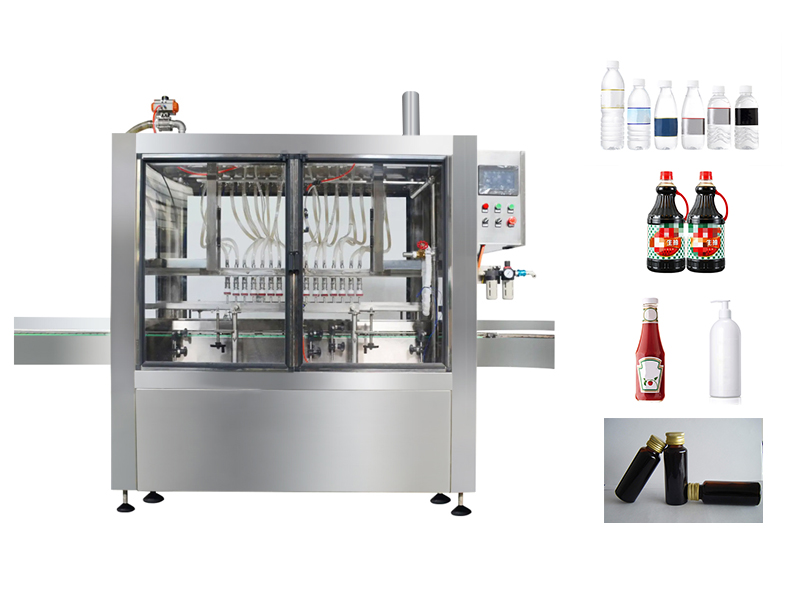
With their characteristics of high precision, high efficiency, and advanced automation, fully automatic quantitative packaging machines have become indispensable packaging equipment across a wide spectrum of industries. They not only boost production efficiency and reduce labor costs but also ensure the consistency of packaging accuracy and quality. As smart manufacturing advances and technology continues to evolve, future fully automatic quantitative packaging machines will continue to progress toward even higher levels of automation and intelligence, meeting the growing demands of an expanding range of industries and driving innovation and progress within the global packaging sector.