Medical Automation Equipment: A Key Force Driving the Development of the Healthcare Industry
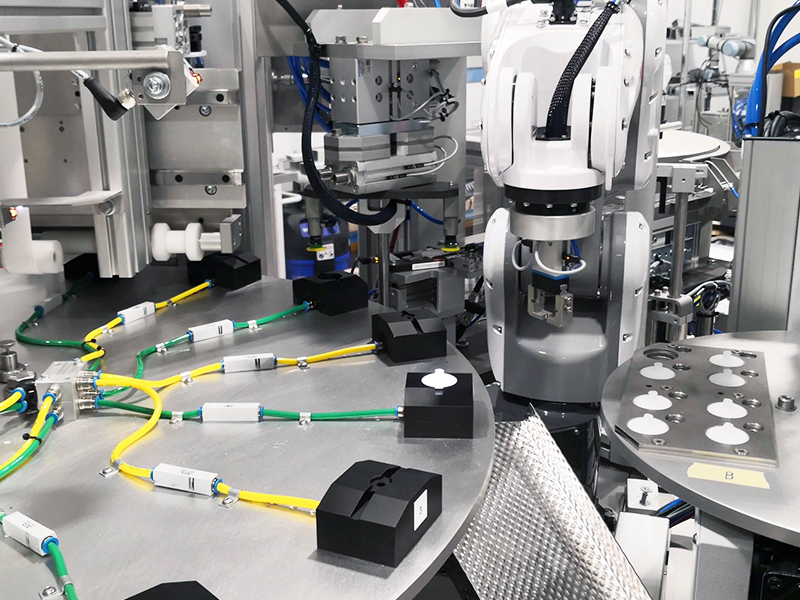
Medical automation equipment refers to devices that utilize automation technology, mechanized systems, and information technology to execute medical processes such as operations, diagnostics, monitoring, and treatment. Through highly integrated hardware and software, medical automation equipment minimizes manual intervention, enables the real-time acquisition, transmission, and processing of data, and delivers more efficient and accurate healthcare services. Compared to traditional manual medical procedures, automated equipment not only enhances the efficiency of medical workflows but also significantly improves the quality and safety of healthcare delivery.
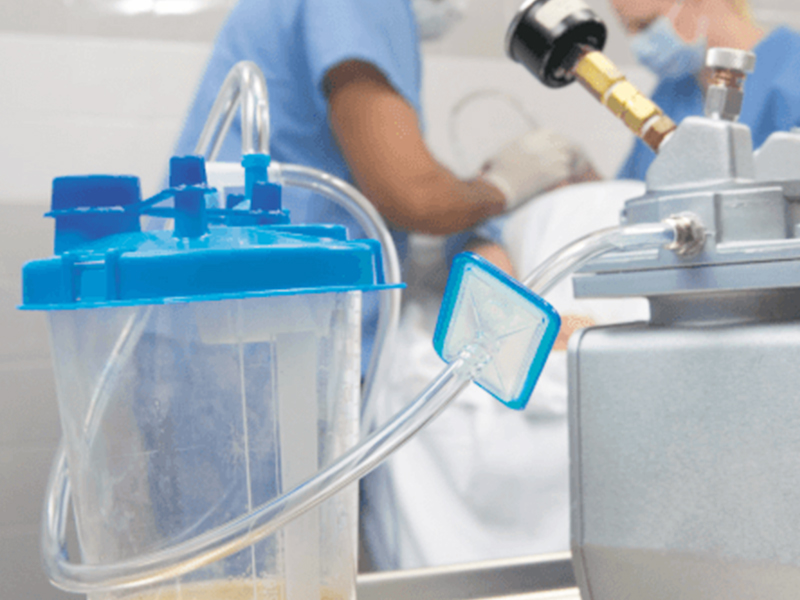
Depending on the specific field of medical practice, medical automation equipment encompasses a wide variety of types. The following are some common categories of medical automation equipment:
1. Automated Diagnostic Equipment: Automated diagnostic equipment is widely utilized in fields such as medical imaging and laboratory testing. These devices can automatically acquire relevant patient data and images, and—by employing advanced artificial intelligence algorithms—analyze this information to provide rapid and accurate diagnostic support. For instance, automated X-ray, CT scan, and Magnetic Resonance Imaging (MRI) systems facilitate highly efficient imaging and analysis, thereby assisting physicians in making timely diagnoses.
2. Automated Treatment Equipment: Automated treatment equipment includes robotic surgical systems, laser therapy devices, radiotherapy equipment, and similar technologies. Taking robotic surgical systems as an example, these devices enable the execution of complex surgical procedures under the direct control of a physician. Surgical robots offer enhanced precision, minimized invasiveness, and shortened recovery times, thereby substantially improving treatment outcomes.
3. Automated Monitoring Equipment: Automated monitoring equipment is used to continuously track a patient's physiological parameters in real time—such as electrocardiograms (ECG), blood oxygen saturation levels, respiratory rates, and body temperature. These devices automatically record and transmit various physiological indicators, generate real-time reports, and issue alerts in the event of abnormalities, thereby enabling medical staff to intervene promptly and prevent sudden medical emergencies.
4. Automated Medication Dispensing and Management Systems: These systems leverage automated equipment to handle the storage, preparation, distribution, and documentation of medications. By minimizing manual errors, they ensure that medications are dispensed to patients accurately and on schedule. Typically, these systems integrate technologies such as barcode scanning and electronic tracking to enhance the transparency and security of medication management.
5. Automated Testing Equipment: Automated testing equipment is widely utilized in medical laboratories, enabling the automated performance of various biochemical analyses—including blood, urine, and genetic testing. This type of equipment not only enhances laboratory efficiency but also ensures data accuracy and consistency, thereby assisting physicians in making scientifically sound medical decisions.
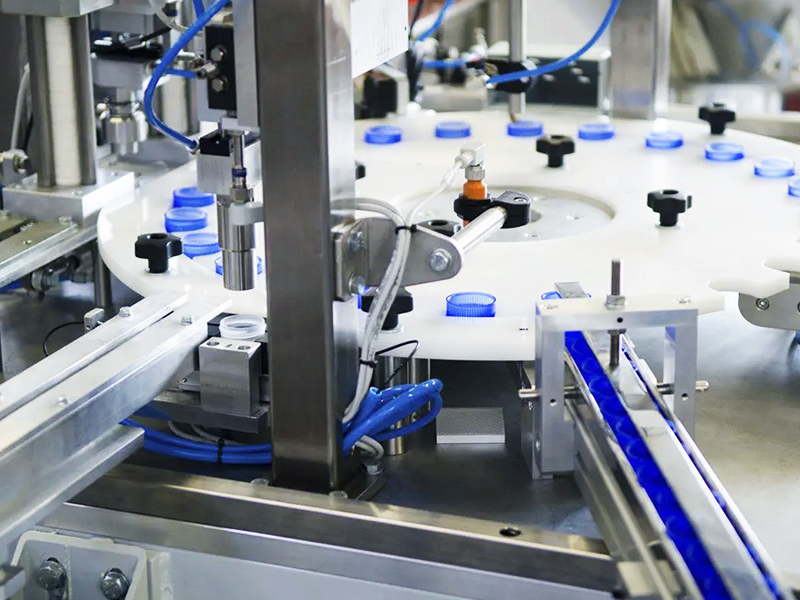
Advantages of Medical Automation Equipment
1. Enhanced Diagnostic and Treatment Efficiency: Automated equipment significantly boosts efficiency throughout the diagnostic and treatment process. Through automated operations, physicians can complete diagnoses, treatments, or surgeries in less time, thereby reducing patient waiting times and improving the overall patient experience.
2. Improved Medical Precision: By utilizing precise calculations and analyses, automated equipment provides physicians with accurate diagnostic assessments and treatment plans. Particularly in high-risk fields—such as surgery and radiotherapy—automated systems minimize the potential for human error, thereby enhancing the precision of medical procedures.
3. Reduction of Medical Errors: When executing complex tasks, automated equipment strictly adheres to predetermined protocols and operational standards, thereby mitigating medical errors caused by human factors. Specifically in areas such as medication dispensing and patient monitoring, automated systems effectively prevent errors and safeguard patient safety.
4. Alleviation of Physical Strain: Medical automation equipment helps alleviate the burden of physical and repetitive labor for healthcare professionals. Especially during high-intensity or high-risk medical procedures, these automated systems provide effective support, enabling healthcare staff to focus their energy on more complex medical tasks.
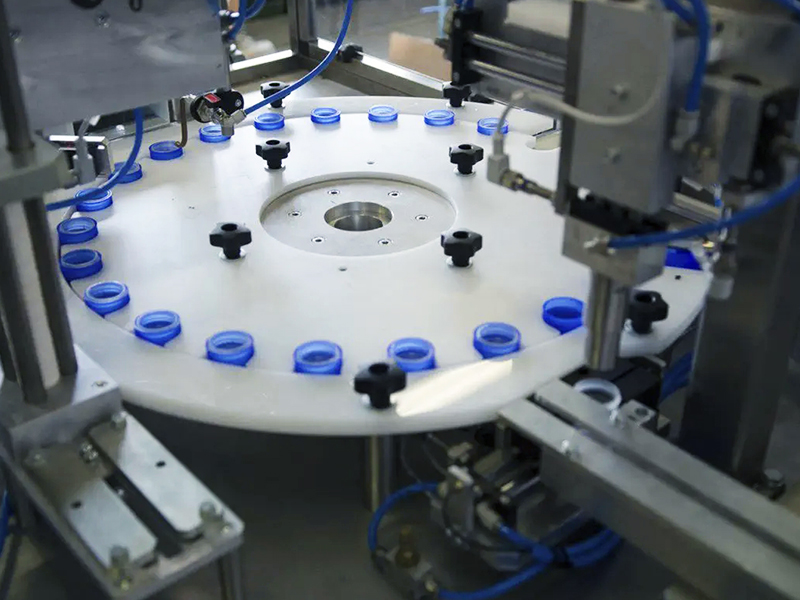
Medical automation equipment constitutes an indispensable tool within the modern healthcare industry. By enhancing efficiency, precision, and safety, these systems drive the modernization of the healthcare sector. As technology continues to advance, the application of medical automation equipment will become even more widespread, gradually evolving toward a phase characterized by greater intelligence and personalization. In the future, medical automation equipment is poised to play an increasingly pivotal role in elevating global healthcare standards and safeguarding patient health.