Automated Packaging Machinery: The Core Driver of Enhanced Production Efficiency
Automated packaging machinery refers to equipment that executes the packaging process through automated control systems, encompassing every stage from product metering, filling, and sealing to coding, labeling, and case packing. This equipment incorporates modern technologies—such as PLC control systems, sensors, and servo motors—to fully automate the entire packaging workflow, thereby significantly reducing manual intervention and enhancing both packaging efficiency and precision. The defining characteristics of automated packaging machinery are its high efficiency, precision, and intelligence. Its operational principle relies on sensors and control systems to provide real-time monitoring and adjustment of every production stage, ensuring highly efficient packaging operations while minimizing errors and waste throughout the manufacturing process.
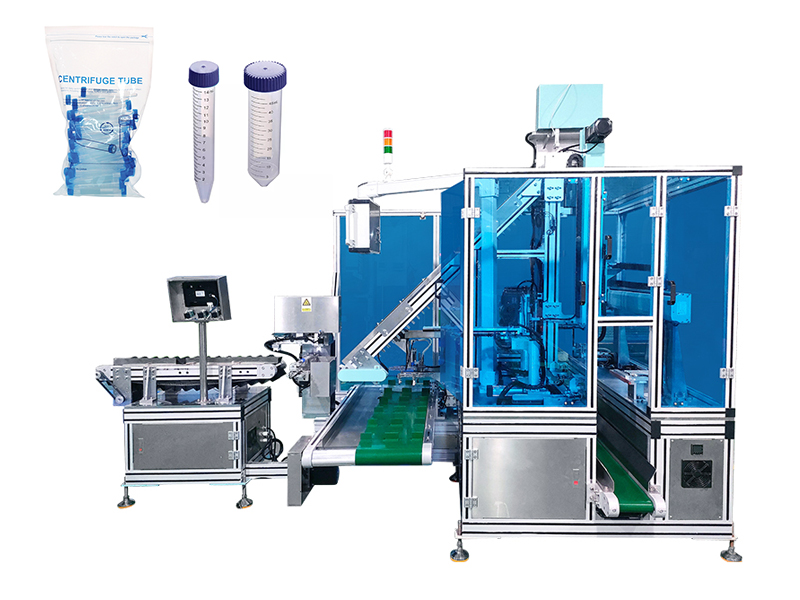
The typical workflow of automated packaging machinery generally comprises the following steps:
1. Product Feeding: First, products are conveyed to the packaging machine's working area via an automated feeding system. Depending on specific production requirements, products may be transported to the packaging equipment using various methods, such as conveyor belts, vibrating bowls, or bucket elevators.
2. Metering and Weighing: For materials requiring quantitative packaging, automated packaging machinery is equipped with precise metering systems—such as electronic scales or volumetric meters—to accurately measure the material according to pre-set weight or volume specifications.
3. Bag Forming and Filling: Packaging bags or containers are transported to the filling zone; the automated machinery then forms the bags—typically through methods such as heat sealing or pressure sealing—before precisely filling the products into the bags or containers.
4. Sealing and Coding: Once filling is complete, the equipment automatically seals the packaging bags to ensure that the contents do not leak. Additionally, the equipment can be fitted with coding devices to print information—such as production dates and batch numbers—directly onto the bags, thereby facilitating product traceability and inventory management.
5. Conveying and Finished Product Output: The packaged products are conveyed via conveyor belts to a designated area for subsequent operations, such as inspection, case packing, or distribution. The entire process is highly automated, minimizing manual intervention and significantly boosting production efficiency.
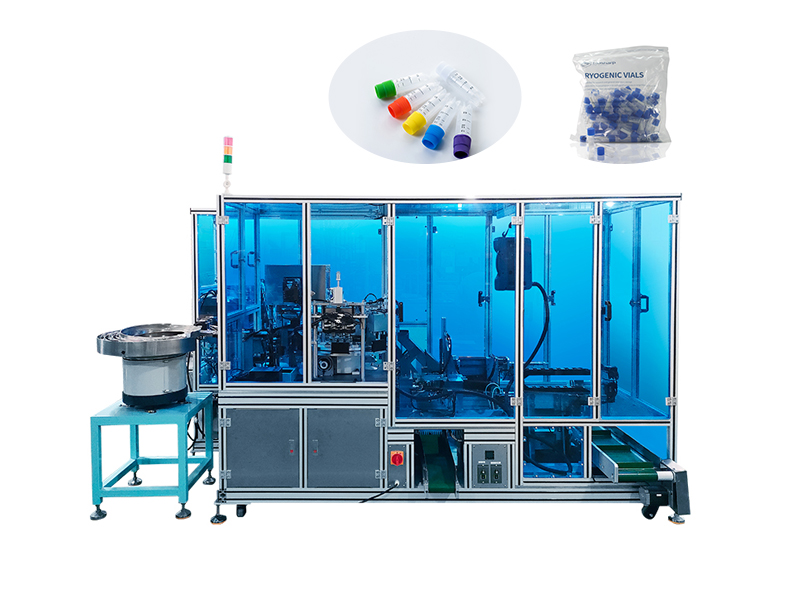
Compared to traditional manual packaging methods, automated packaging machinery offers numerous distinct advantages:
1. Increased Production Efficiency: Automated packaging machinery is capable of completing large-volume packaging tasks within a short timeframe, thereby significantly boosting the operational efficiency of the production line. Its high-capacity production capability not only meets the demands of mass production but also shortens production cycles, enabling enterprises to respond rapidly to market demands.
2. Reduced Labor Costs: The use of automated equipment substantially reduces reliance on manual labor, particularly in work environments characterized by high physical exertion or inherent risks. Companies require only a small number of operators to handle equipment maintenance and monitoring, thereby lowering labor costs while simultaneously enhancing workplace safety.
3. Guaranteed Packaging Quality: Through precise control systems, automated packaging machinery ensures the standardization and uniformity of every package, eliminating errors associated with manual operations and guaranteeing consistent packaging quality. This is of particular importance in industries that demand high precision and rigorous hygiene standards.
4. Waste Reduction: The precise metering and efficient filling systems inherent in automated packaging machinery minimize material waste, thereby lowering product manufacturing costs. In the food industry—particularly in the packaging of products such as condiments and beverages—reducing waste is a critical factor in enhancing economic efficiency.
5. Enhanced Safety and Hygiene: Automated equipment minimizes direct contact between personnel and materials, thereby reducing the risk of contamination. In sectors such as the food and pharmaceutical industries, automated packaging machinery meets stringent hygiene standards, thereby ensuring product safety.
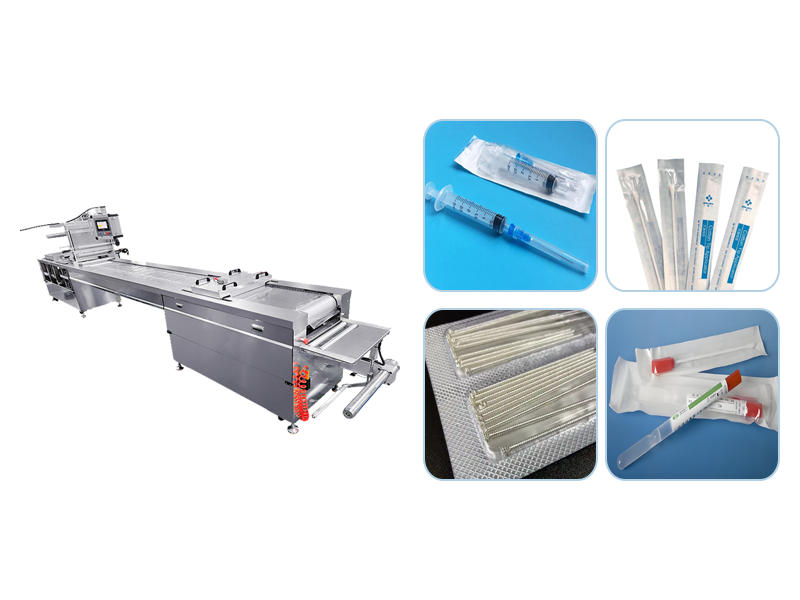
As a vital component of modern industry, automated packaging machinery has emerged as a key asset for boosting production efficiency, reducing costs, and ensuring quality. Driven by trends toward greater intelligence and sustainability, future automated packaging machinery will become even more efficient, eco-friendly, and intelligent, providing various industries with increasingly advanced and flexible packaging solutions that further drive the upgrading and development of the manufacturing sector.