The Application Advantages and Future Development Directions of Automated Assembly Equipment
Automated assembly equipment plays an indispensable role in modern industrial production, serving as a vital tool for achieving high-efficiency, low-cost manufacturing. Driven by the increasing diversification and sophistication of market demands, automated assembly equipment has found widespread application across various manufacturing sectors—including electronics, automotive components, medical devices, and home appliances—thanks to its inherent characteristics of high efficiency, precision, and repeatability. This article will delve into the definition, composition, application advantages, and future development trends of automated assembly equipment.
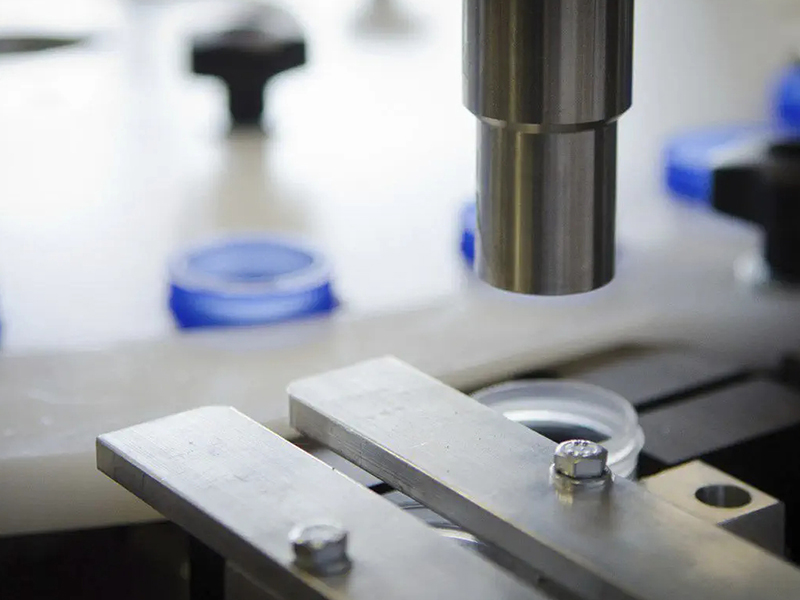
Automated assembly equipment refers to a class of mechanical systems designed to perform the automated assembly of products. Built upon a foundation of programmable controls, precision mechanisms, and various sensors, these systems facilitate the automated handling, alignment, assembly, and testing of products, thereby ensuring the consistency and reliability of assembly quality. The equipment typically comprises the following core components:
1. Robotic Arms and Transmission Systems: Responsible for the picking, placing, handling, and precise positioning of individual product components.
2. Control Systems: Typically utilize PLCs (Programmable Logic Controllers) or industrial computers to manage operations, ensuring both the precision and flexibility of the equipment's performance.
3. Sensing Systems: Include devices such as photoelectric sensors and pressure sensors, which are used to detect and calibrate positions, thereby guaranteeing the precise execution of every assembly step.
4. Positioning Systems: Automatically align and secure the specific assembly points of the components being assembled, ensuring that each part remains in its correct location throughout the assembly process.
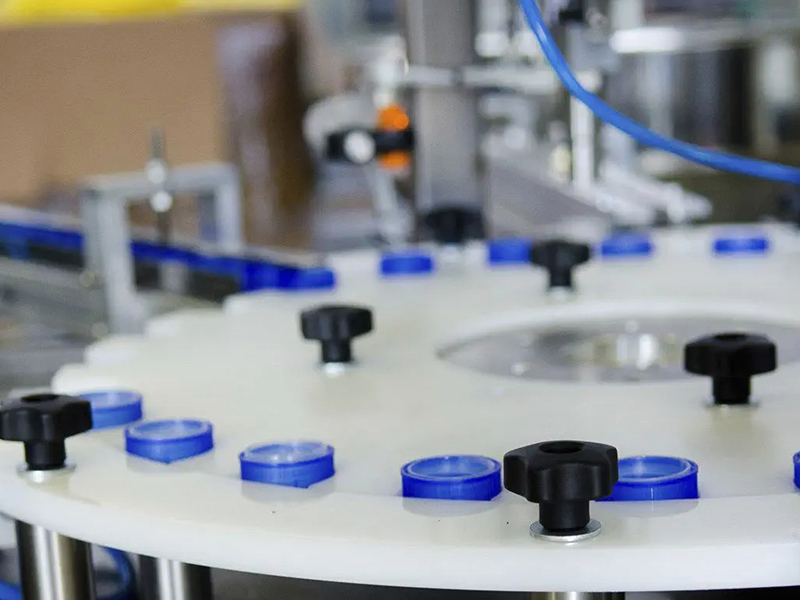
Automated assembly equipment is characterized by high productivity, flexibility, and precision, endowing it with numerous unique advantages within modern production lines:
1. Increased Production Efficiency: Automated assembly equipment operates continuously, unhindered by human fatigue or fluctuations in manual performance. This enables production lines to assemble a greater volume of products within the same timeframe.
2. Reduced Labor Costs: Automated production minimizes the reliance on human labor—particularly in assembly processes that are repetitive, monotonous, or high-risk. Machines can effectively replace manual labor, thereby achieving high-efficiency production while simultaneously ensuring worker safety.
3. Enhanced Product Consistency and Quality: Built upon precise control and standardized operations, automated assembly equipment ensures consistent assembly quality for every unit produced. By minimizing deviations caused by human error, it effectively elevates the overall quality and reliability of the final products.
4. Greater Production Flexibility: Modern automated assembly systems typically feature a modular design. By simply swapping out specific components or software programs, these systems can adapt to the assembly requirements of diverse products, enabling manufacturing enterprises to respond rapidly to shifting market demands.
5. Optimized Resource Utilization: Through automated control, production line operations can be planned and managed more rationally. This minimizes waste, improves energy efficiency, and allows for effective control over production costs.
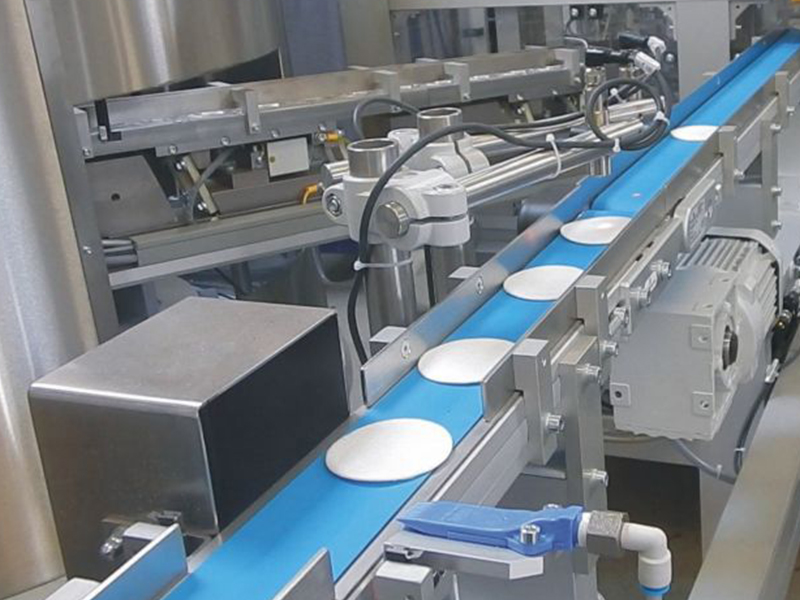
The emergence and evolution of automated assembly equipment have driven a revolution in industrial manufacturing. Beyond merely boosting production efficiency and reducing costs, these systems have propelled the transition toward intelligent and precision-driven production processes. In the future, as technology continues to advance, automated assembly equipment is poised to find application across an even broader spectrum of fields, exerting a profound influence on production methodologies across various industries.