Automated Assembly Lines: The Efficiency Booster of Modern Manufacturing
Automated assembly lines constitute an indispensable core component of modern manufacturing. Through the application of a series of automated devices and intelligent technologies, they enable highly efficient production—spanning the entire process from raw material handling to finished product assembly. This efficient, precise, and sustainable mode of production not only boosts manufacturing efficiency but also reduces labor costs, thereby giving enterprises a competitive edge in a fiercely contested market.
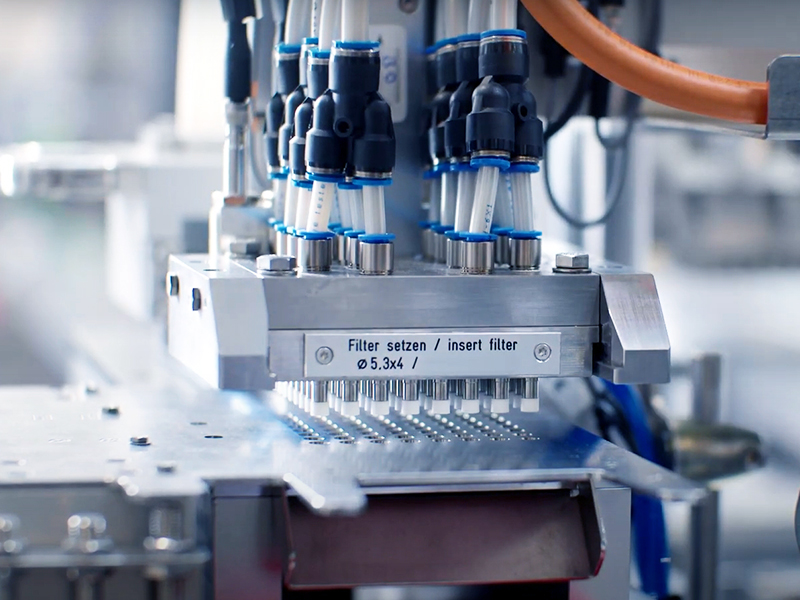
An automated assembly line functions by linking the various stages of product manufacturing into a continuous workflow, utilizing automation technologies—such as robots, sensors, and control systems—to execute operations and management tasks. It typically comprises the following key components:
1. Raw Material Conveyance System: Used to transport raw materials or semi-finished products to the starting point of the production line.
2. Processing Equipment: Performs operations—such as cutting, welding, or painting—on raw materials in accordance with specific process requirements.
3. Assembly Units: Utilize robots or automated tools to assemble individual parts into finished products.
4. Quality Inspection System: Employs sensors or machine vision equipment to ensure that product quality meets established standards.
5. Finished Product Packaging and Conveyance System: Packages the completed products and transports them to their designated destinations.
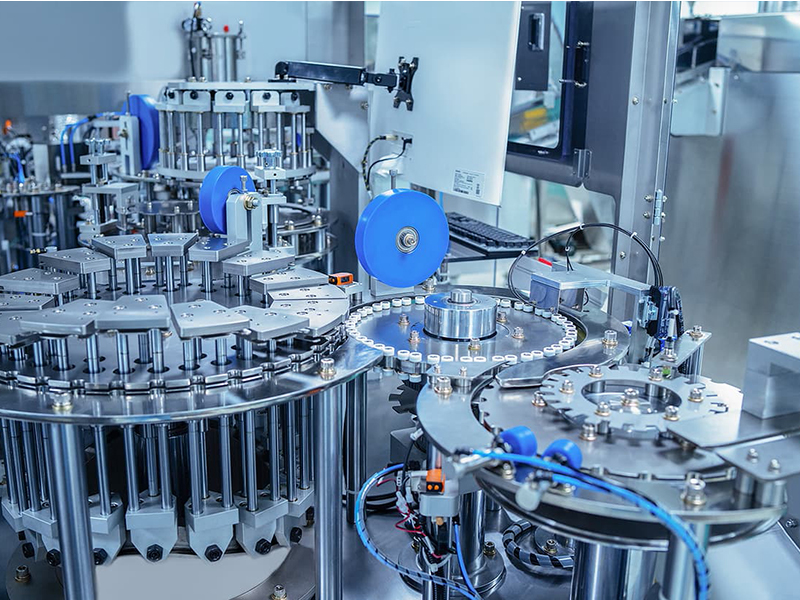
Advantages of Automated Assembly Lines
1. Enhanced Production Efficiency: Automated production lines can operate continuously for extended periods, unconstrained by human fatigue, thereby significantly boosting production efficiency. Furthermore, the equipment operates with high precision, enabling the completion of labor-intensive and highly complex production tasks within a short timeframe.
2. Reduced Labor Costs: Since many repetitive tasks are performed by machines, the enterprise's demand for human labor decreases, resulting in lower personnel costs. Particularly against the backdrop of rising labor costs year after year, automated production lines have become a crucial tool for companies seeking to control expenses.
3. Improved Product Quality: Automated equipment possesses a high degree of consistency and stability, effectively preventing errors and deviations that may arise during manual operations, thereby leading to a marked improvement in product quality.
4. Enhanced Flexibility and Adaptability: Through modular design, modern automated assembly lines can rapidly adapt to changes in product varieties and shifting market demands. By simply adjusting software programs or specific equipment components, the production of different products can be seamlessly achieved.
5. Promotion of Green Manufacturing Principles: Environmental regulations are compelling enterprises to seek production methods characterized by low energy consumption and low emissions. Automated production lines are poised to play a pivotal role in achieving energy conservation and emission reduction goals.
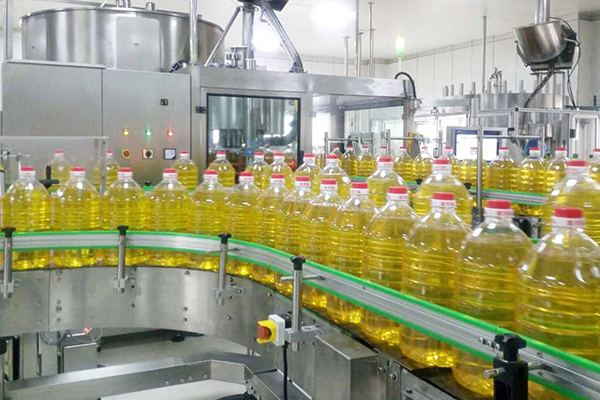
Automated assembly lines serve as a key indicator of industrial modernization. Their widespread adoption and application have not only transformed production methods within traditional manufacturing sectors but have also injected powerful momentum into the rapid growth of the global economy. As technology continues to advance, automated assembly lines will generate even greater value across an expanding range of fields, charting the future course of the manufacturing industry.