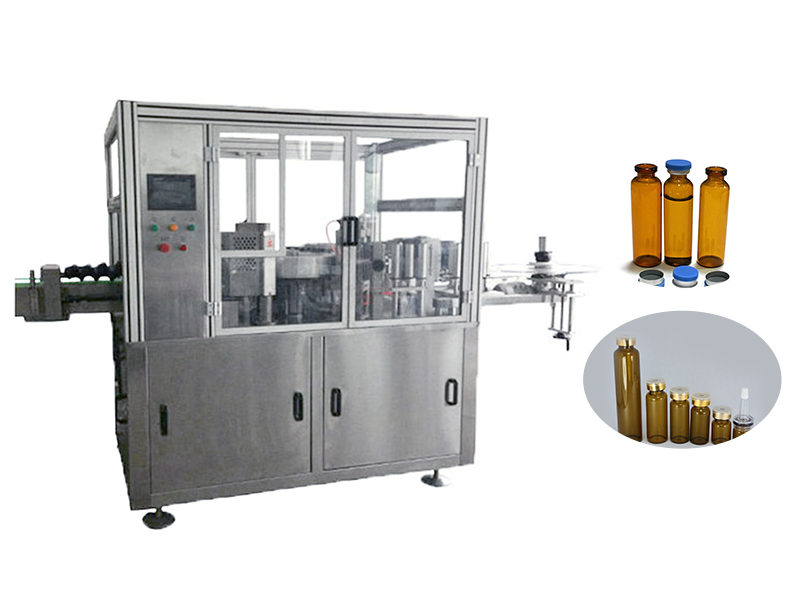
Fully Automatic Quantitative Liquid Filling Machine: The Fusion of Precision and Efficiency
At the core of the fully automatic quantitative liquid filling machine lies an advanced control system that utilizes intelligent sensors to detect liquid flow rates and bottle positioning, while servo motors regulate both filling speed and volume. The equipment primarily comprises a conveying system, a quantitative control system, filling heads, and an automatic capping mechanism. During the production process, bottles are sequentially transported into the filling zone via a conveyor belt; liquid is then dispensed into the bottles through the filling heads, with the system executing precise, quantitative filling based on pre-configured parameters to ensure product consistency across every bottle.
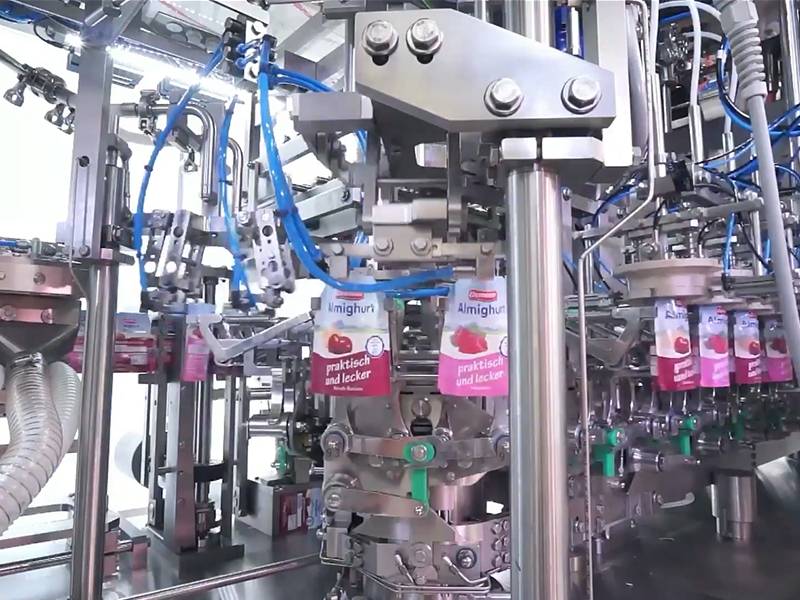
Advantages of the Fully Automatic Quantitative Liquid Filling Machine
High-Efficiency Production: Integrating functions such as filling, metering, and capping into a single unit, the fully automatic quantitative liquid filling machine significantly boosts production efficiency. Its continuous operation eliminates the pauses typically associated with manual intervention, making it particularly well-suited for large-scale mass production.
Precise Filling: By employing advanced flow meters or weight sensors, the machine achieves precise control over filling volumes, typically maintaining an error margin within ±1%. This not only minimizes raw material waste but also ensures that the final products consistently meet established quality standards.
Versatile Adaptability: This equipment demonstrates strong adaptability, capable of filling liquids of varying viscosities—ranging from water and oils to thick sauces. Furthermore, the machine allows for the adjustment of filling speeds and volumes according to specific requirements, thereby satisfying diverse production needs.
Intelligent Operation: Equipped with a touch-screen interface, the system allows users to intuitively configure parameters and monitor the equipment's operational status. Certain models also support remote monitoring and diagnostics, significantly simplifying maintenance procedures.
Hygiene and Cleanliness: In sectors such as food processing and pharmaceuticals, equipment hygiene is of paramount importance. Fully automatic quantitative liquid filling machines typically feature stainless steel construction, adhering to hygiene standards such as GMP; this design facilitates easy cleaning and offers excellent corrosion resistance.
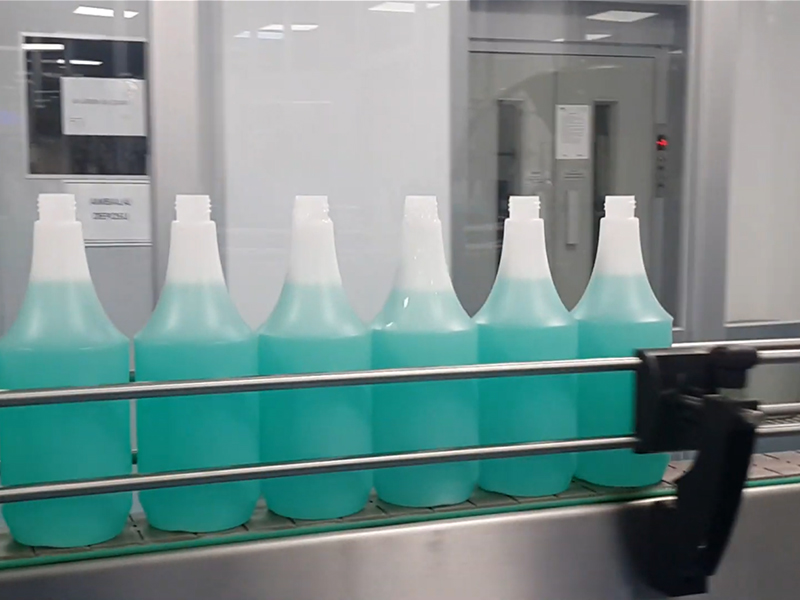
Fully automatic quantitative liquid filling machines are widely utilized across the following industries:
Food Industry: Bottling production lines for liquid products such as drinking water, fruit juices, and milk.
Pharmaceutical Industry: Precise filling of high-standard products, including medicinal syrups, injectable solutions, and disinfectants.
Chemical Industry: Packaging of industrial liquids such as lubricants, cleaning agents, and emulsifiers.
Daily Chemicals Industry: Filling of liquid daily-use products, such as shampoos, body washes, and hand sanitizers.
For instance, a major fruit juice beverage manufacturer, upon adopting a fully automatic quantitative liquid filling machine, saw its hourly production output surge from 2,000 bottles to 6,000 bottles. Simultaneously, production costs were reduced by 30%, and the product error rate dropped to a mere one-thousandth—yielding significant economic benefits.
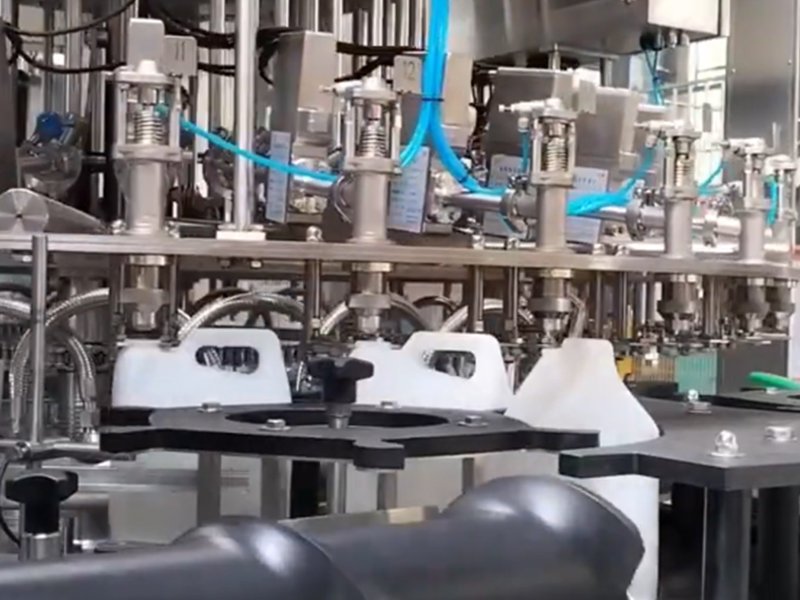
The fully automatic quantitative liquid filling machine constitutes a vital component of modern production lines, representing the cutting edge of industrial automation. Its characteristics—efficiency, precision, and intelligence—not only drive production upgrades across various industries but also deliver substantial economic returns and enhanced market competitiveness to enterprises. Looking ahead, as technological innovation continues to advance, this type of equipment is poised to open up even broader avenues for development within the manufacturing sector.