Automated Packaging Equipment: The Core Driving Force of Industrial Production
With the rapid global advancement of industrial automation, the packaging industry has entered a new era of automation. As a critical component of industrial automation, automated packaging equipment has found widespread application across diverse sectors, including food and beverages, pharmaceuticals, and daily chemical products. It not only significantly boosts production efficiency but also plays a pivotal role in ensuring product quality, reducing production costs, and conserving human resources.
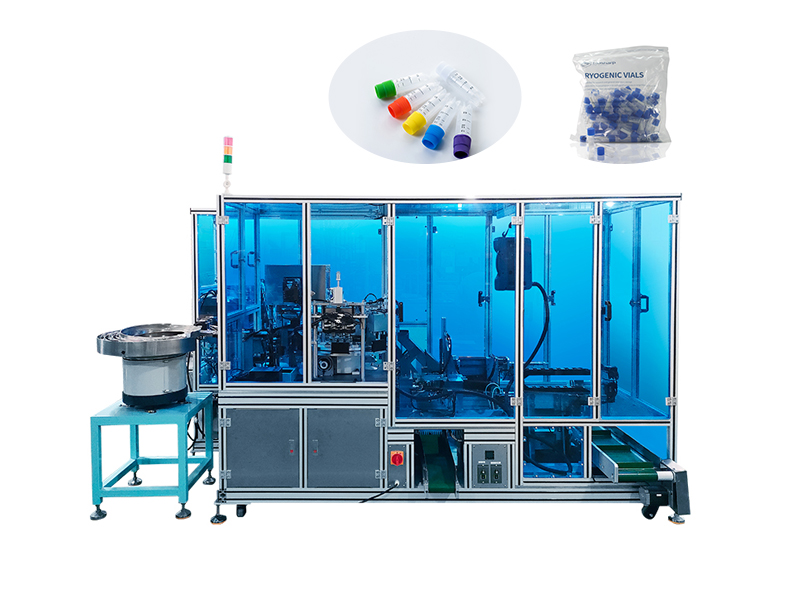
Automated packaging equipment primarily functions through the integration of mechanical, electronic, and computer systems to automatically execute various steps, such as material weighing, packaging, sealing, labeling, and palletizing. Its fundamental operating principles are outlined below:
1. Feeding and Weighing: Automated packaging equipment is typically outfitted with an automatic feeding system capable of conveying raw materials or finished products into the packaging machine in accordance with production requirements. Subsequently, a precision weighing system performs accurate measurements of the materials based on weight or volume.
2. Packaging Formation: The equipment automatically generates or processes packaging materials—such as plastic bags, cardboard boxes, or glass bottles—and loads the materials into them. The sealing and packaging styles involved in this process can be automatically adjusted via pre-configured settings, thereby ensuring packaging consistency.
3. Sealing and Labeling: Once the product packaging is complete, the machine automatically performs the sealing process to ensure the integrity and airtightness of the package. Concurrently, the automated equipment can execute label printing and application tasks, imprinting information such as production dates, batch numbers, and barcodes directly onto the packaging.
4. Palletizing and Conveying: Finally, the packaged products are transported via conveyor belts into an automated palletizing system, where they are stacked neatly according to a predetermined pattern, thereby facilitating efficient warehousing and transportation.
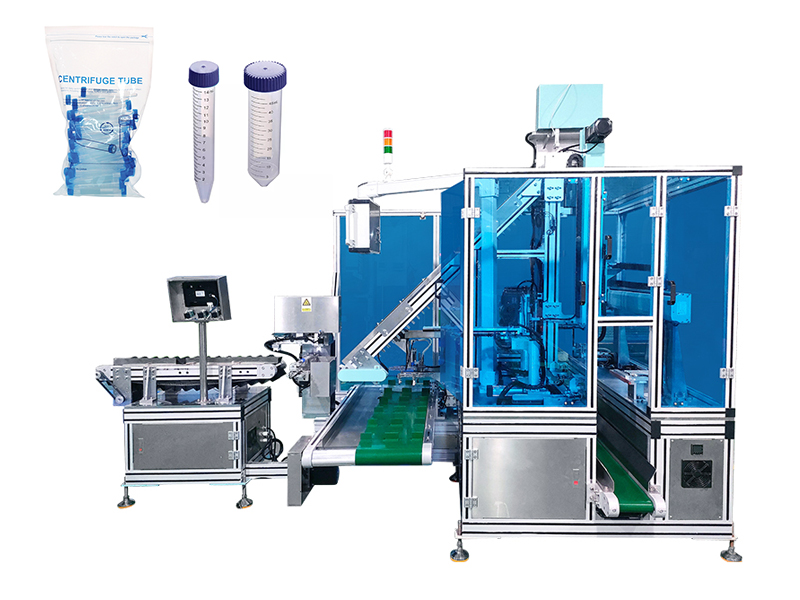
The application of automated packaging equipment offers enterprises a multitude of technological advantages, helping them stand out in highly competitive markets.
1. Enhanced Production Efficiency: Automated packaging equipment can operate continuously, significantly boosting production speeds. A single automated unit can often replace the work of dozens of human laborers, thereby saving substantial human resources.
2. Reduced Packaging Errors: Through precise metering systems and standardized operational procedures, automated packaging equipment minimizes packaging errors. This not only improves packaging accuracy but also ensures consistent product quality across every unit, while simultaneously reducing waste and rework costs.
3. Lowered Labor Costs: The widespread adoption of automated packaging equipment has drastically reduced reliance on manual labor. By reducing the number of required operators, companies can lower labor costs while avoiding the fatigue and errors often associated with manual operations.
4. Improved Product Hygiene and Safety: In industries with stringent hygiene requirements—such as food and pharmaceuticals—the non-contact operation of automated packaging equipment effectively prevents contamination and cross-infection that can occur during manual handling, thereby ensuring product hygiene and safety throughout the production and packaging processes.
5. High Flexibility: Modern automated packaging equipment boasts exceptional flexibility, capable of accommodating various packaging materials and specifications to meet the diverse production needs of enterprises. Through simple programming and adjustments, the equipment can rapidly switch packaging modes to adapt to different production tasks.
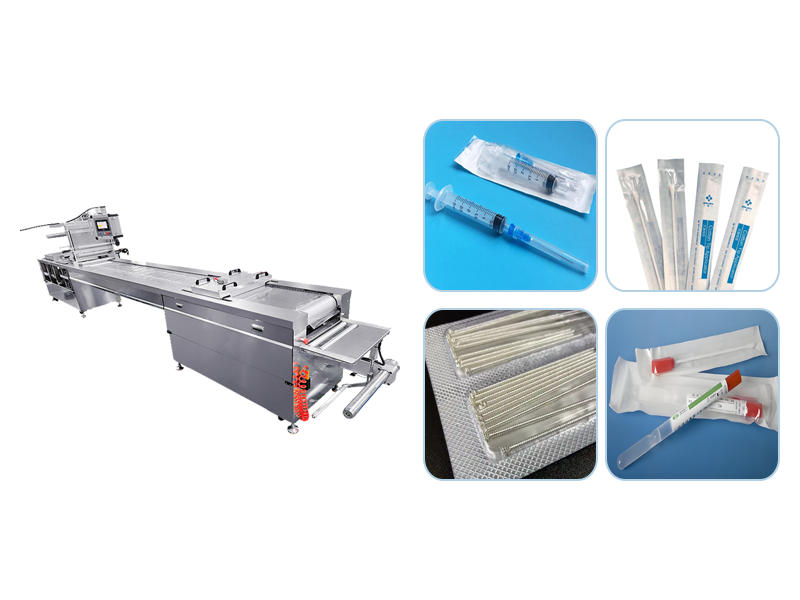
Automated packaging equipment has become an indispensable component of modern industrial production; it significantly boosts production efficiency, reduces costs, and guarantees product quality and consistency. As technology continues to advance, automated packaging equipment will evolve further toward greater intelligence, eco-friendliness, and multifunctionality, providing enterprises with even more efficient and flexible production solutions. Whether in the food, pharmaceutical, cosmetics, or electronics sectors, automated packaging equipment is poised to play an increasingly vital role in the future.