Fully Automated Filling Production Line: The Efficient Choice for Modern Industry
A fully automated filling production line is a system comprising a series of automated devices, primarily including an automatic feeding system, a filling machine, a sealing machine, a labeling machine, a coding machine, and an automatic check-weighing system. These devices work in synergy through an intelligent control system to achieve integrated, automated operations—spanning the entire process from material input, filling, and sealing to labeling and packaging.
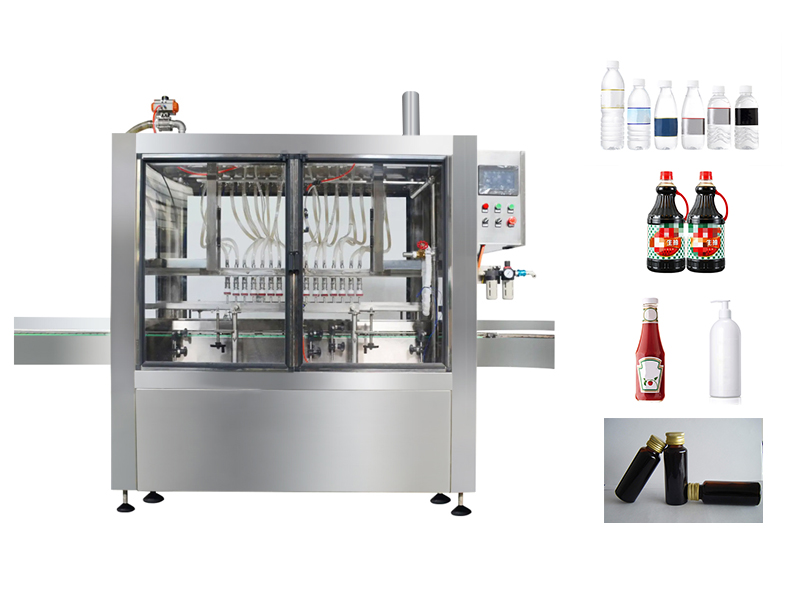
Technical Features of the Fully Automated Filling Production Line
1. High-Efficiency Automation: The fully automated filling production line enables fully automated operations throughout the entire process, thereby significantly boosting production efficiency. During the filling process, the equipment automatically aligns with the filling containers and precisely dispenses liquids or other materials. The entire process requires no manual intervention, thereby reducing labor input and production costs.
2. Versatility and Flexibility: This production line allows for equipment settings to be adjusted according to varying production requirements, making it suitable for filling products of diverse specifications and physical forms. Whether dealing with liquids, powders, or granular materials, the fully automated filling line can handle them with ease. Furthermore, the system offers exceptional flexibility, allowing for rapid switching between different packaging formats—such as bottles, pouches, or cans—simply by exchanging specific components.
3. High-Precision Control: The fully automated filling production line is equipped with high-precision sensors and an intelligent control system capable of accurately monitoring filling volumes, thereby ensuring standardized filling for every single product. Particularly in the pharmaceutical and food industries, such precision is paramount; it not only guarantees product quality but also minimizes production waste.
4. Intelligent Detection and Regulation: The production line features various automated detection devices—such as automatic check-weighing systems and leak detectors—that monitor every stage of the production process in real time to ensure product quality. Concurrently, an intelligent regulation system automatically adjusts filling speeds, volumes, and process parameters based on production demands, ensuring both the efficiency and stability of the manufacturing process.
5. Labor Cost Savings: Compared to traditional manual operations, the fully automated filling production line significantly reduces reliance on human labor. The automated nature of the production line not only alleviates the workload on operating personnel but also mitigates the risk of errors caused by human factors. Workers are responsible solely for equipment maintenance and production line monitoring; the operation is simple and convenient.
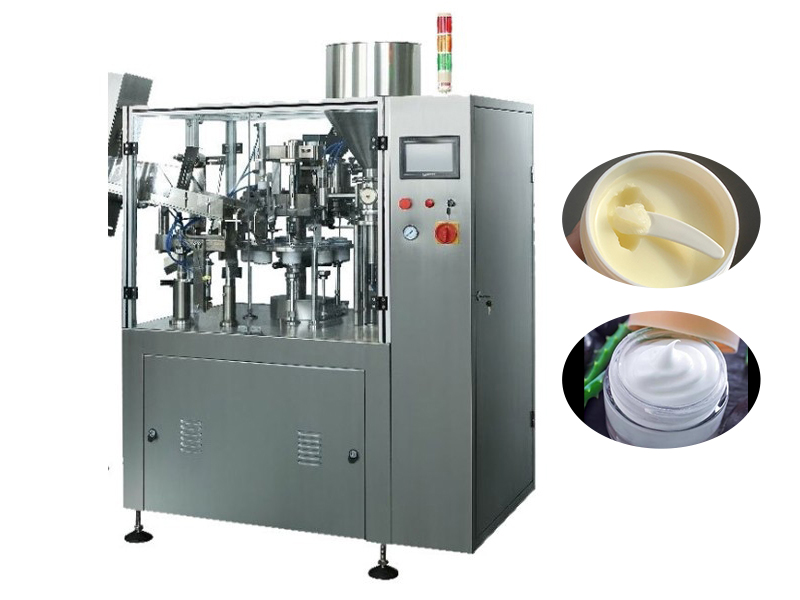
Application Fields of Fully Automatic Filling Production Lines
1. Food Industry: In the food industry, fully automatic filling production lines are widely utilized for the production of liquid food products such as beverages, edible oils, condiments, and dairy products. These lines ensure food safety and hygiene, prevent secondary contamination, and simultaneously enhance filling efficiency and packaging quality.
2. Pharmaceutical Industry: The pharmaceutical industry imposes extremely stringent requirements on product packaging. Fully automatic filling production lines are capable of ensuring the precision of drug filling while meeting the industry's rigorous standards regarding hygiene and production environments. Whether handling liquid medications, powdered drugs, or capsule products, these production lines facilitate efficient and precise automated filling.
3. Chemical Industry: In the production of chemical products, many liquid chemical raw materials are inherently hazardous or highly corrosive; consequently, the non-contact filling process offered by fully automatic filling production lines becomes particularly critical. Through highly efficient automated operations, this equipment minimizes direct human contact with chemical raw materials, thereby significantly enhancing production safety.
4. Daily Chemical Industry: Fully automatic filling production lines also play a pivotal role in the manufacturing of daily chemical products, such as cosmetics and detergents. The filling of these products demands precise metering and efficient packaging technologies; automated production lines provide comprehensive solutions that ensure both aesthetic appeal and packaging consistency.
The most significant advantages of fully automatic filling production lines lie in their exceptional efficiency and precision. Not only can they complete the filling of vast quantities of products within a short timeframe, but they also utilize precise metering systems to ensure the exact consistency of every fill volume. Furthermore, the integration of automated control technologies simplifies operations, allowing workers to focus primarily on simple monitoring and adjustments.
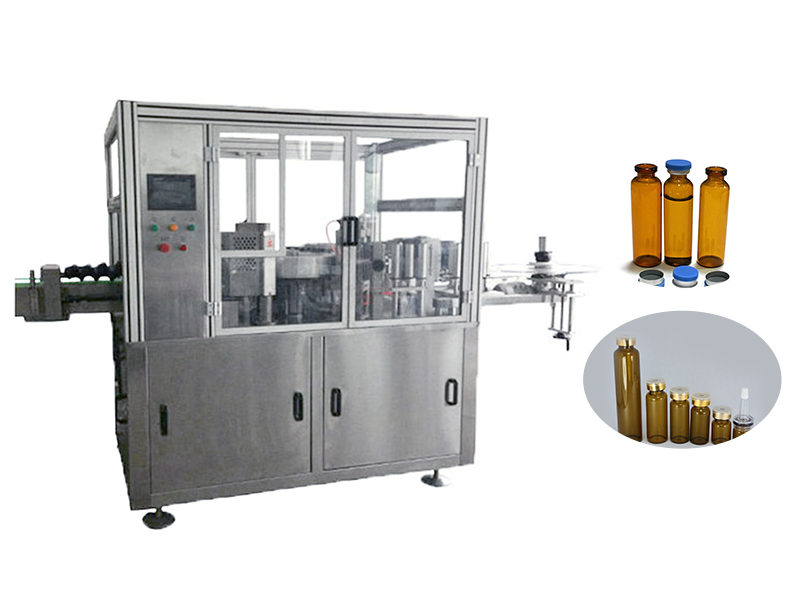
The advent of fully automatic filling production lines has profoundly transformed traditional manufacturing paradigms, leveraging automated and intelligent technologies to boost production efficiency and product quality. Widely adopted across numerous industries, these systems generate substantial economic benefits for enterprises. As technological innovation continues to advance, fully automatic filling production lines are poised to evolve further—moving toward greater intelligence, eco-friendliness, and efficiency—thereby solidifying their status as indispensable equipment in modern industrial manufacturing.