Fully Automated Production Lines: The Key Force in Intelligent Manufacturing
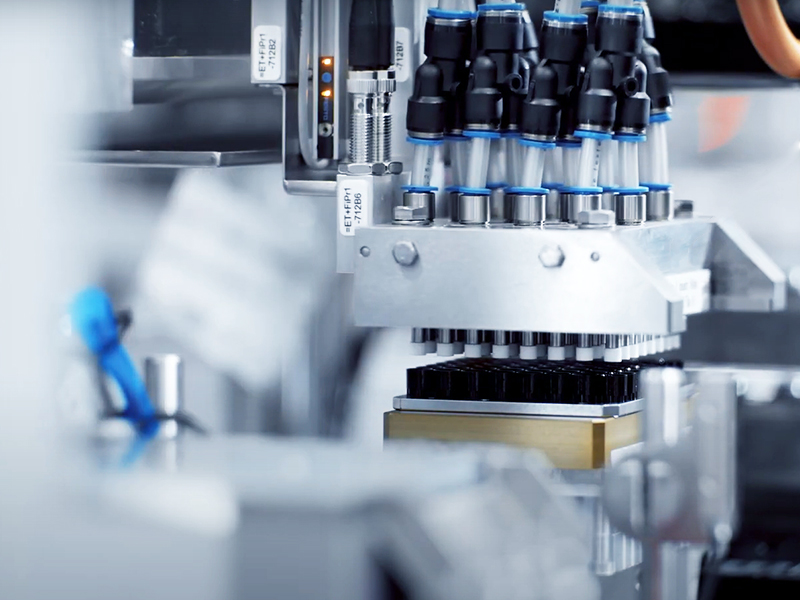
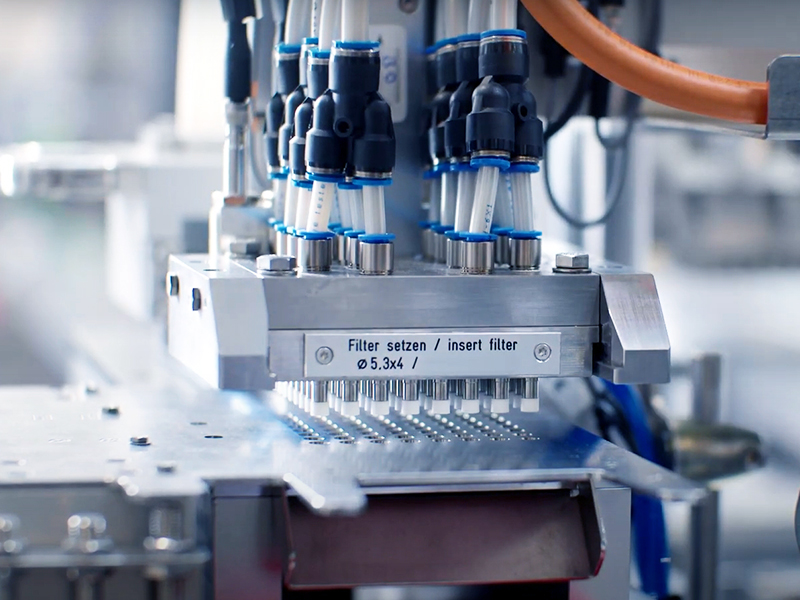
A fully automated production line refers to a manufacturing method in which a series of automated devices are arranged in a predetermined sequence, utilizing an automated control system to seamlessly integrate the entire production process—from the raw material stage through to the packaging of the finished product. This type of production line system typically comprises conveying equipment, processing machinery, inspection devices, and packaging equipment, with automated operation facilitated by intelligent control software.
Advantages of Fully Automated Production Lines
1. High Production Efficiency: Fully automated production lines significantly boost production efficiency. Through the continuous operation of automated equipment, various production stages are seamlessly integrated, thereby reducing the waiting times and errors typically associated with manual operations. For instance, in the automotive manufacturing sector, the automated assembly, welding, and painting of components can all be executed via the production line; this minimizes the repetitive labor involved in manual tasks and leads to a substantial increase in production speed.
2. Enhanced Product Consistency: Fully automated production lines excel particularly in the realm of product consistency. Automated equipment can precisely control every operational step according to preset programs, thereby guaranteeing consistent product quality throughout every stage of the manufacturing process. This is of paramount importance in industries such as pharmaceuticals and electronics, where a high degree of product standardization and precision is required.
3. Reduced Labor Costs: By deploying automated equipment, fully automated production lines significantly reduce reliance on human labor. Although companies face higher initial capital outlays for the installation and commissioning of automated systems, the long-term benefits—derived from reduced labor costs and increased production efficiency—yield substantial economic returns. Furthermore, minimizing manual intervention also serves to lower the incidence of workplace accidents and injuries.
4. Flexibility and Customization: In response to diversifying production demands, modern fully automated production lines feature a high degree of flexibility and customizability. Companies can flexibly adjust the equipment configuration of the production line—based on specific product workflows and specifications—to accommodate different product models and production batches. This flexible manufacturing approach enables the production line to respond rapidly to shifting market dynamics.
5. Waste Reduction and Improved Resource Utilization: By precisely controlling material usage, fully automated production lines effectively minimize waste generated during the manufacturing process. Automated equipment allows for the precise metering of raw materials, thereby preventing the waste that can often result from human error during manual operations. For modern enterprises that prioritize environmental protection and energy conservation, this highly efficient approach to resource utilization holds significant importance.
Key Application Areas of Fully Automated Production Lines
1. Automotive Manufacturing: Automotive manufacturing is one of the industries where fully automated production lines are most widely utilized. Modern automotive plants employ production lines to automate various stages—ranging from body assembly and welding to painting—thereby significantly boosting production efficiency and product quality. For instance, welding robots and painting robots have become standard fixtures on automotive production lines, ensuring both the structural integrity of the vehicle body and the uniformity of its surface finish.
2. Food Processing: In the food industry, fully automated production lines are applied to stages such as processing and packaging. Particularly in sectors involving beverages, baked goods, and frozen foods, these lines effectively minimize human contact, thereby safeguarding food safety. Concurrently, automated packaging equipment executes food packaging tasks with high speed and precision, ensuring both the shelf life and the quality of the product packaging.
3. Electronics Manufacturing: The production of electronic products demands highly precise assembly and inspection processes—requirements that manual operations are unable to meet, given the need for both high accuracy and mass production capabilities. Consequently, the electronics manufacturing sector widely adopts fully automated production lines to automate processes such as circuit board assembly, chip soldering, and component inspection. For example, smartphone production relies heavily on the precise control offered by fully automated lines to ensure that every device meets rigorous quality standards.
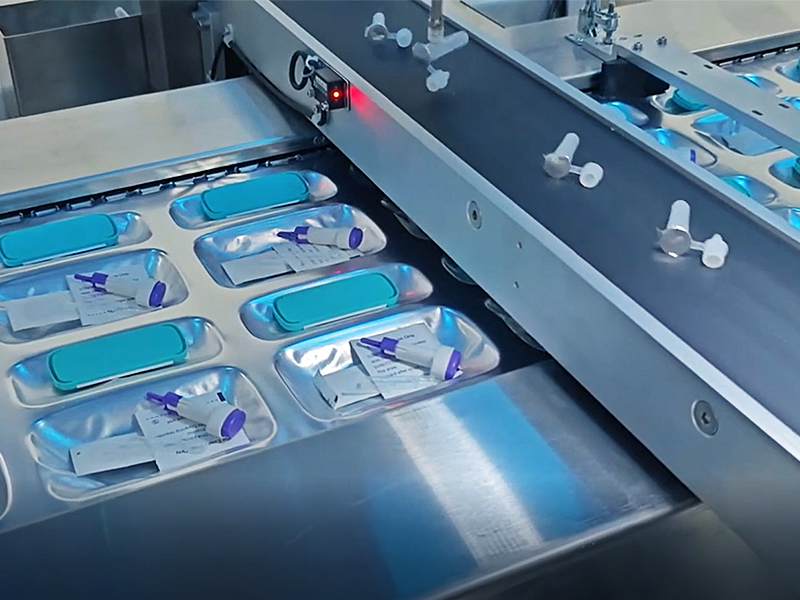
4. Pharmaceutical Manufacturing: The pharmaceutical industry imposes exceptionally stringent requirements on both production environments and product quality; fully automated production lines play a pivotal role in the manufacturing, filling, and packaging of pharmaceuticals. Automated equipment ensures that medications are produced within sterile environments and utilizes precise filling systems to accurately control dosages, thereby enhancing both the safety and accuracy of the production process.
The core strength of a fully automated production line lies in its ability to seamlessly integrate multiple production stages—such as feeding, processing, inspection, assembly, and packaging—through a unified automated control system. This integration minimizes manual intervention and significantly boosts production efficiency. In practical application, these automated systems can be customized according to specific production requirements to meet the diverse needs of various industries and product types.
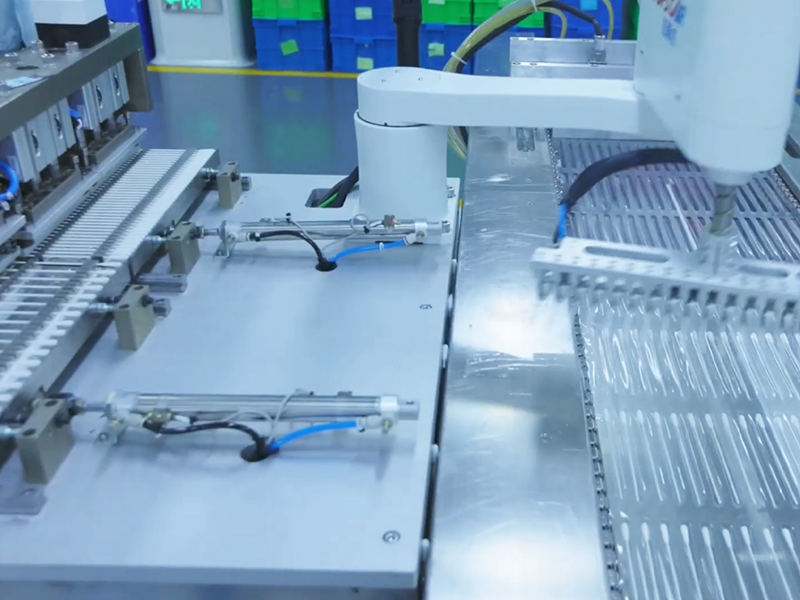
The widespread adoption and continuous innovation of fully automated production lines provide robust support for enterprises seeking to enhance production efficiency, reduce operational costs, and elevate product quality. With the advancement of technology, intelligent and flexible manufacturing will become key directions for the future development of fully automated assembly lines, helping enterprises maintain a competitive edge amidst increasingly fierce market competition.