Fully Automatic Packaging Machine Manufacturers: Pioneers of Automated Production
Manufacturers of fully automatic packaging machines play a pivotal role in modern industry. With the rapid growth of the global economy and the consequent surge in product demand, manufacturing enterprises require more efficient packaging equipment to meet market needs. Characterized by their high efficiency, intelligence, and precision, fully automatic packaging machines are capable of replacing manual labor to execute a comprehensive series of processes—ranging from product weighing and filling to sealing and final packaging—thereby significantly boosting production efficiency.
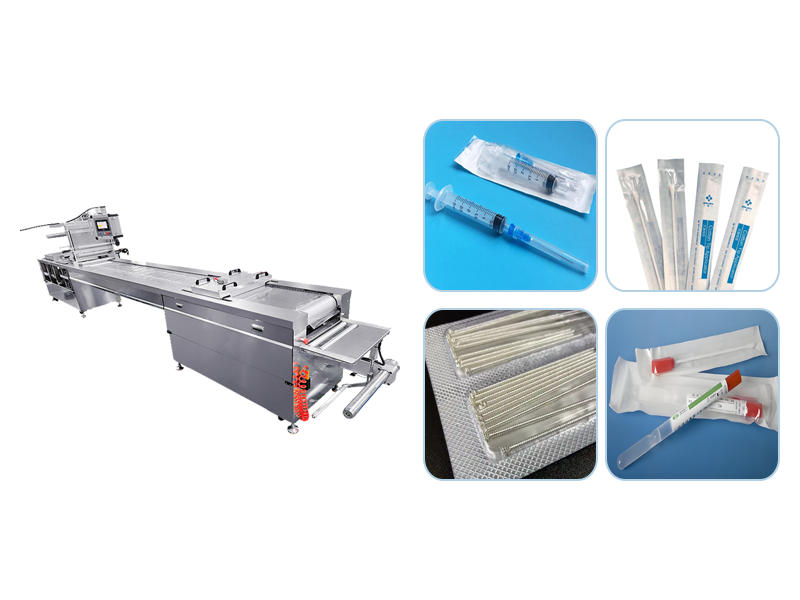
Fully automatic packaging machines possess a variety of technical attributes that endow them with extensive market application value. When designing and manufacturing these machines, manufacturers typically prioritize the following key aspects:
1. Efficiency and Degree of Automation: Fully automatic packaging machines enable the automated execution of every stage in the packaging workflow—from material weighing and product filling to sealing and final packaging—without the need for human intervention. Such equipment not only enhances packaging efficiency but also reduces production costs, offering particularly distinct advantages in large-scale manufacturing environments.
2. Precision and Stability: By utilizing high-precision metering mechanisms, fully automatic packaging machines ensure that the quantity or weight of material in every packaging unit is accurate and error-free, thereby preventing material waste or product defects caused by measurement inaccuracies. The stability of such equipment is equally critical; it enables the machinery to maintain high-efficiency operation over extended periods, thereby avoiding production interruptions caused by downtime.
3. Multifunctional Integration: Modern fully automatic packaging machines typically integrate a host of functions, such as vacuum packaging, heat sealing, gas-flush packaging, and coding. This multifunctional design allows the equipment to adapt to the diverse packaging requirements of various product types and specifications, thereby enhancing the machine's operational flexibility.
4. Human-Machine Interface and Intelligent Control: Advanced fully automatic packaging machines are typically equipped with a Human-Machine Interface (HMI) and intelligent control systems. Operators can monitor and adjust the equipment via a touchscreen interface, gaining real-time access to production data. Furthermore, the intelligent control system can automatically adjust packaging parameters based on specific product requirements, further optimizing both packaging efficiency and precision.
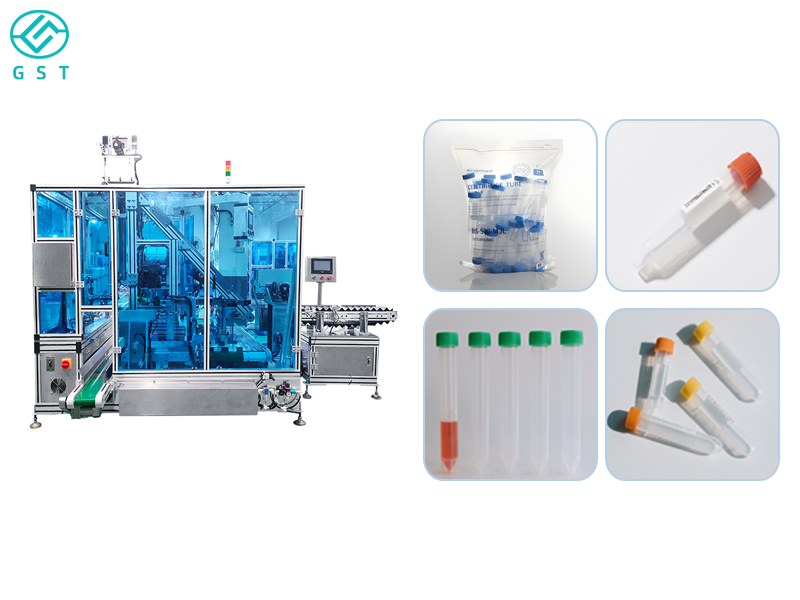
Manufacturers of fully automatic packaging machines must address diverse and ever-growing market demands. Given the distinct production characteristics of various industries, manufacturers are required to tailor different types of packaging equipment to meet the specific needs of their clients.
1. Food Industry: The food industry constitutes one of the primary application sectors for fully automatic packaging machines. Manufacturers must supply food enterprises with packaging equipment that complies with food hygiene standards, enabling the rapid, hygienic, and safe automated packaging of food products. Such equipment typically requires highly effective anti-contamination designs and the versatility to accommodate food products of varying shapes and sizes.
2. Pharmaceutical Industry: The pharmaceutical industry imposes extremely rigorous requirements regarding the precision of fully automatic packaging machines; specifically, precise metering and sterile operations are critical during the packaging of pharmaceutical granules, powders, liquids, and similar products. Pharmaceutical companies frequently require equipment featuring strict sealing capabilities and functions to prevent cross-contamination; consequently, manufacturers must possess the capability to meet these exacting standards.
3. Chemical Industry: The chemical industry involves a vast array of materials; manufacturers must therefore provide packaging equipment capable of handling materials with diverse physical properties—including specialized equipment designed for corrosion resistance and anti-static protection—to ensure safety and stability throughout the packaging process.
4. Consumer Goods Industry: Fully automatic packaging machines also enjoy widespread application within the consumer goods sector, covering products such as detergents, cosmetics, and daily personal care items. Manufacturers must supply equipment capable of processing various liquids, pastes, and granular substances, thereby satisfying the requirements of diverse packaging formats.
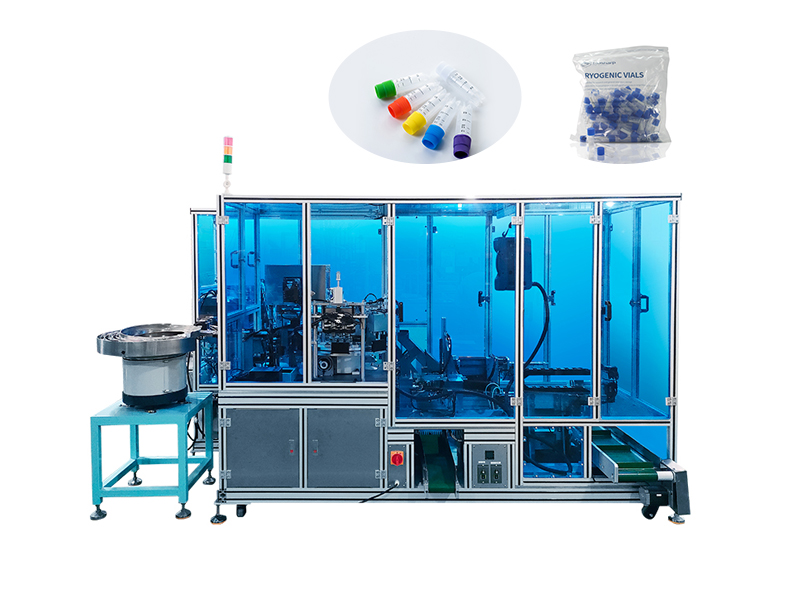
Manufacturers of fully automatic packaging machines play a pivotal role in modern industry, driving the automated modernization of the packaging sector. By continuously innovating, supplying high-quality equipment, and providing comprehensive after-sales services, these manufacturers can secure a competitive advantage within a highly contested market. Looking ahead, as trends toward intelligent automation and eco-friendly practices continue to evolve, manufacturers of fully automatic packaging machines are poised to further spearhead industry transformation, thereby fostering the efficient and sustainable development of global industry.