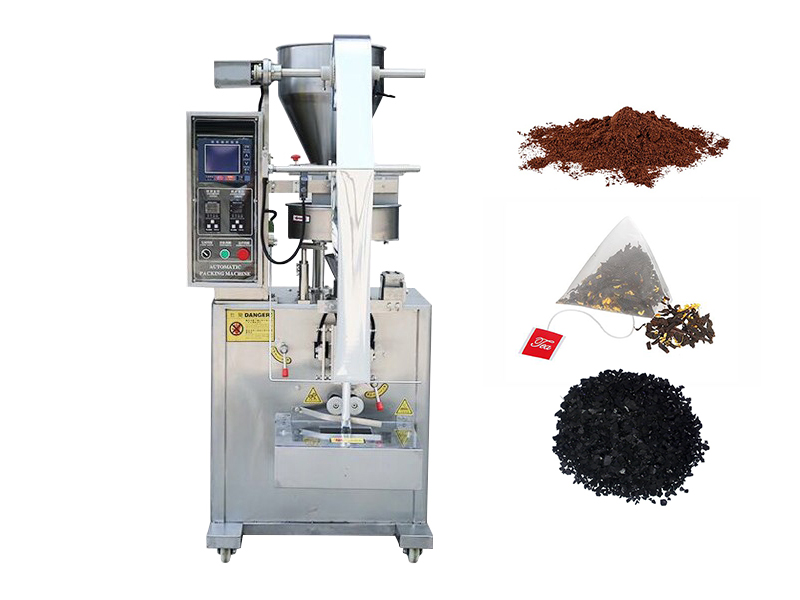
Working Principles and Applications of Automatic Quantitative Granule Packaging Machines
An automatic quantitative granule packaging machine is a mechanical device designed for the automated, quantitative packaging of granular materials. It integrates a range of functions—including automatic weighing, packaging, sealing, and coding—and is widely utilized across industries such as food, pharmaceuticals, and chemicals. With the rapid advancement of industrial automation, the application of granule packaging machines has become increasingly widespread, significantly boosting both production efficiency and packaging precision.
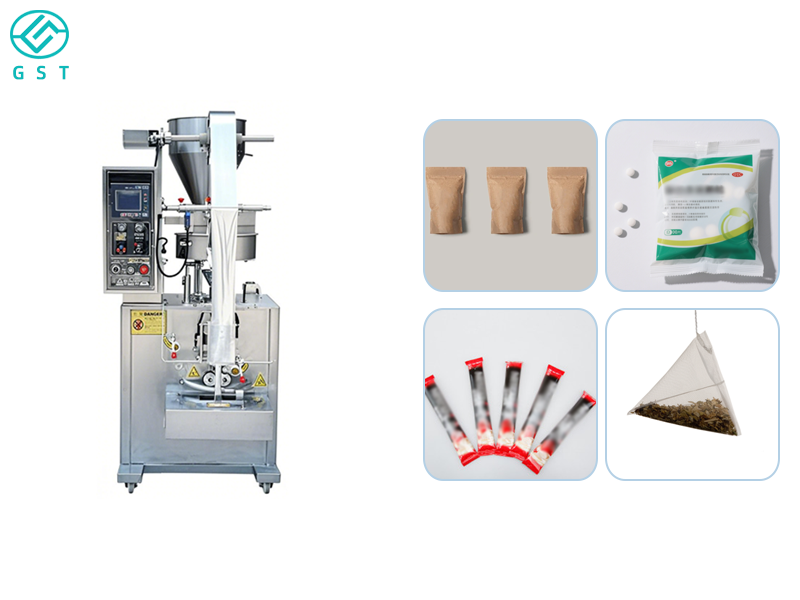
The automatic quantitative granule packaging machine controls the fill volume of materials through a precision weighing and metering system. Its primary workflow encompasses the following steps:
1. Material Feeding: Granular materials enter the packaging machine's conveying system via a hopper. Typically, the machine is equipped with an automatic feeding device capable of continuously and steadily supplying granular materials to the equipment, adjusting the flow based on packaging speed and production demands.
2. Weighing and Control: The metering system constitutes the core of the equipment; common metering methods include electronic weighing and volumetric measurement. Electronic weighing units utilize sensors to monitor the material's weight in real-time, comparing it against a preset target weight to ensure the precise weight of every packaged unit.
3. Packaging and Sealing: Once weighed, the material is automatically dispensed into the packaging bag. The equipment employs different sealing methods depending on the packaging material used; common methods include heat sealing, cold sealing, or pressure sealing. Packaging materials can take the form of pre-formed pouches or roll stock film, allowing the machine to automatically cut, form, and seal the packages as required.
4. Coding and Labeling: Concurrently with the sealing process, the equipment typically automatically prints information such as production dates and batch numbers, thereby ensuring the traceability of every product package. Some packaging machines also integrate automatic labeling systems to facilitate subsequent product management and market distribution.
5. Finished Product Output and Inspection: Upon completion of the packaging process, the finished products are discharged via a conveyor belt. The equipment performs inspections on the seal integrity and package weight to ensure that every product unit meets the specified quality standards. Any non-conforming products are automatically rejected by the machine, thereby guaranteeing the efficiency and stability of the production line.
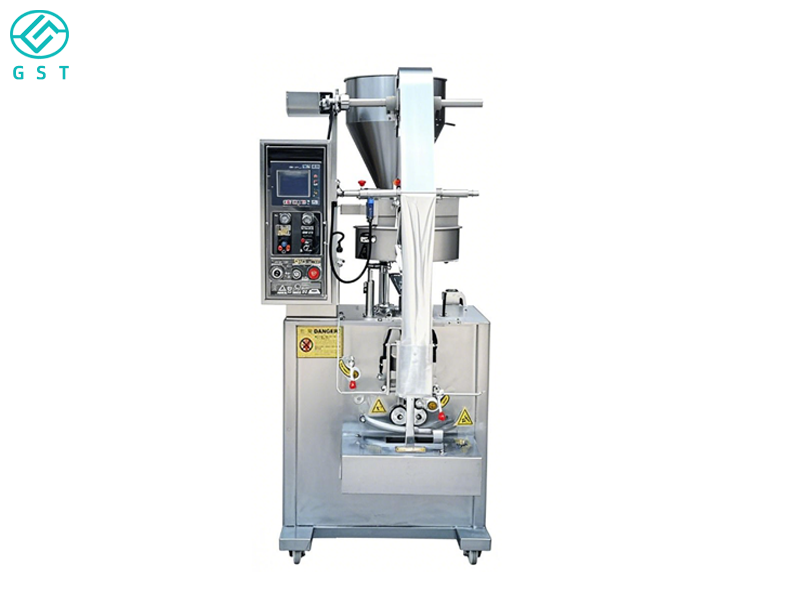
Key Features of Automatic Quantitative Granule Packaging Machines
1. Efficient Automated Operation: The automatic quantitative granule packaging machine achieves fully automated operation—spanning everything from material feeding, weighing, and packaging to sealing and finished product output. Compared to traditional manual methods, this equipment significantly boosts production efficiency and minimizes errors associated with human intervention.
2. High-Precision Quantitative Control: The machine's integrated electronic weighing system or volumetric metering device enables precise material quantification, ensuring that the weight deviation for every packaged unit remains within a reasonable tolerance range. This feature is particularly critical in industries with strict metering requirements, such as the food and pharmaceutical sectors.
3. Integrated Multifunctional Design: Automatic quantitative granule packaging machines typically integrate a variety of functions, including automatic feeding, weighing, packaging, sealing, and coding. This comprehensive design not only enhances production efficiency but also reduces the capital expenditure companies would otherwise incur by purchasing multiple separate machines.
4. Broad Applicability: The equipment is capable of packaging a wide variety of granular materials—ranging from food products (such as candies, nuts, rice, and coffee beans) and pharmaceutical granules to chemical products (such as fertilizers and granular raw materials). Through simple parameter adjustments, the machine can be optimized to operate effectively based on the specific characteristics of different materials.
5. User-Friendly Operation and Easy Maintenance: Modern automatic quantitative granule packaging machines are typically equipped with intelligent control systems featuring intuitive, easy-to-understand interfaces; operators need only set the relevant parameters via a touchscreen to initiate operations. Furthermore, the modular design simplifies cleaning and maintenance procedures, thereby minimizing downtime.
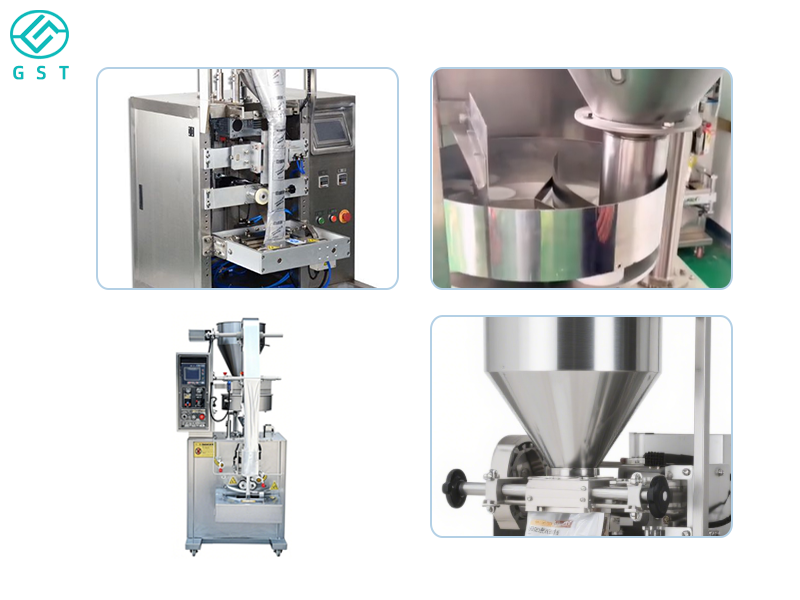
Automatic quantitative granule packaging machines play a pivotal role in modern industrial production; thanks to their efficiency, precision, and multifunctional capabilities, they effectively meet the diverse packaging requirements for granular materials across various industries. As advancements in intelligent automation and eco-friendly technologies continue to evolve, these machines will remain at the forefront of driving production automation upgrades in the future, helping enterprises boost efficiency, reduce costs, and adapt to ever-changing market dynamics.