Advantages and Application Scenarios of Customized Automation Equipment
Customization of automated equipment refers to the bespoke design and creation of automated machinery tailored specifically to an enterprise's unique requirements, production environment, manufacturing processes, and product characteristics. This process encompasses the entire lifecycle—from design, manufacturing, and installation to commissioning—ensuring that the equipment integrates seamlessly with the enterprise's production needs.
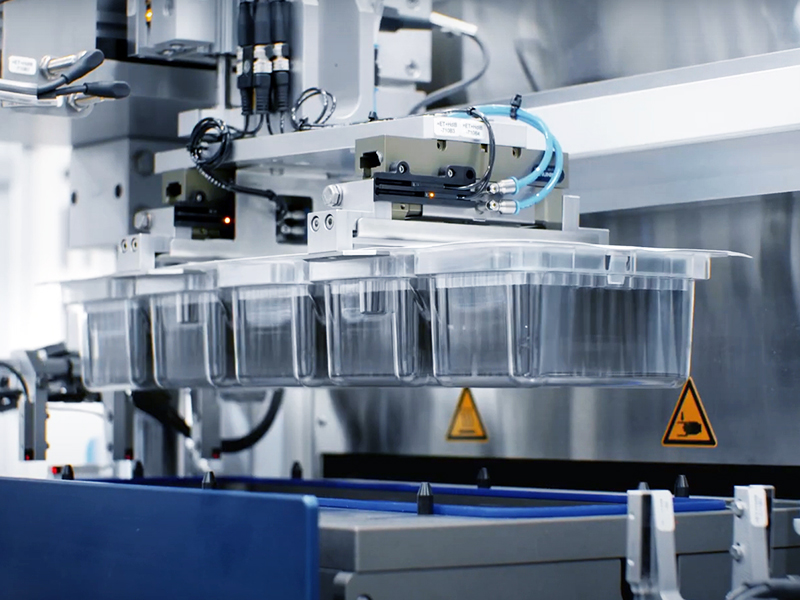
Compared to standardized equipment, customized automated machinery offers greater flexibility and adaptability. Through in-depth consultation with the client, customized equipment can be optimized to address critical stages within the production workflow, thereby helping enterprises boost production efficiency, reduce manufacturing costs, and ensure product quality consistency.
1. Meeting Individualized Needs: The production requirements of every industry and enterprise are unique; this is particularly true for the manufacturing of high-precision and highly complex products, where generic equipment often proves inadequate. Customized automated equipment can be precisely tailored to an enterprise's specific product specifications, production workflows, and operating environment, fully satisfying individualized needs and ensuring a perfect alignment between the equipment and the production process.
2. Enhancing Production Efficiency: By optimizing equipment design, customized machinery can target and improve weak points within the production process, leading to significant gains in efficiency. For instance, customized conveying systems can facilitate a more rational flow of materials, preventing bottlenecks and delays on the production line, thereby boosting the overall operational efficiency of the entire manufacturing system.
3. Reducing Operational Costs: Although the initial investment for customized automated equipment may be higher, it leads to significant reductions in an enterprise's operational costs over the long term. The high degree of automation reduces reliance on manual labor—thereby lowering personnel costs—while precise control mechanisms minimize material waste and prevent financial losses associated with downtime caused by equipment malfunctions.
4. Improving Product Quality: Customized automated equipment ensures that every step of the production process is executed under strictly controlled conditions, thereby minimizing human error. This not only helps to enhance the consistency of product quality but also enables the achievement of higher levels of product precision, meeting the rigorous quality standards demanded by high-end manufacturing sectors.
5. Flexible Scalability: Customized automated equipment also offers a high degree of flexibility; the equipment's design can be expanded or modified to accommodate future production requirements, thereby supporting the enterprise's continued growth. For example, in response to shifting demand, production lines can be adjusted by swapping out or adding specific modules, avoiding the need to replace or completely restructure the entire production system and thereby reducing upgrade costs.
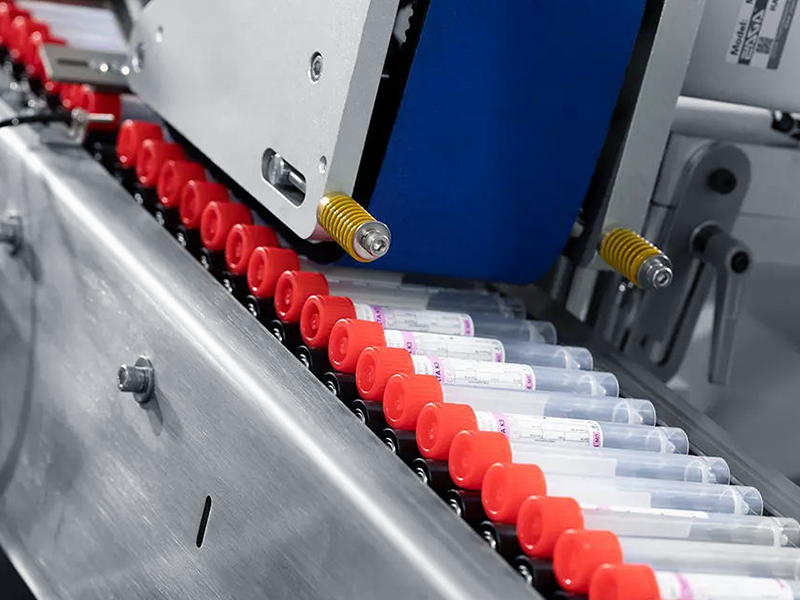
The customization of automated equipment has been widely adopted across numerous industries, demonstrating particular advantages in the following sectors:
1. Automotive Manufacturing: The automotive industry involves complex production processes and a vast array of product variants. From stamping, welding, and painting to final assembly, the automation requirements for each stage vary significantly. Customized equipment can be designed to meet the specific production requirements of different vehicle models, thereby enhancing both production flexibility and efficiency.
2. Electronics Manufacturing: The electronics industry is characterized by extremely rapid product iteration cycles and demands a high degree of precision throughout the production process. Customized automated equipment enables the design of specialized machinery tailored to the unique requirements of different products, ensuring highly efficient and precise manufacturing operations.
3. Pharmaceutical Industry: The pharmaceutical industry imposes exceptionally stringent requirements regarding product quality and production environments—particularly in processes such as packaging, sorting, and filling. Through customized automated equipment, pharmaceutical companies can meet rigorous standards—such as maintaining sterile environments and ensuring precise dosing—thereby elevating the level of quality control in drug manufacturing.
4. Food and Beverage Industry: In the food and beverage sector, customized automated equipment assists enterprises in optimizing production workflows and elevating hygiene standards. For instance, by designing equipment specifically for the filling and packaging requirements of diverse products, companies can minimize the risk of contamination during production while ensuring both food safety and packaging quality.
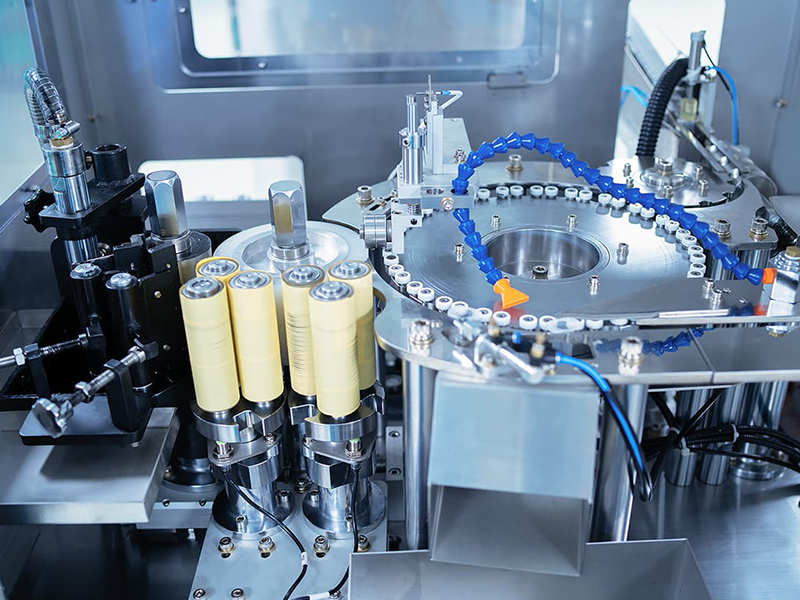
Customized automated equipment not only boosts production efficiency for enterprises but also provides robust support for enhancing product quality and reducing operational costs. As technology continues to advance, customized equipment will become increasingly integrated into the production processes of various industries, emerging as a core driving force behind the future of intelligent manufacturing. By selecting appropriate customization solutions, enterprises can secure a significant competitive edge within a fiercely competitive market and achieve sustainable development.