Overview and Classification of Liquid Filling Equipment
A liquid filling machine is a piece of equipment designed to automatically fill liquid products into containers. With the rapid advancement of modern industry, liquid filling machines play an increasingly vital role across various sectors—particularly in the food, cosmetics, pharmaceutical, and chemical industries. This article provides an in-depth exploration of liquid filling equipment, covering its operating principles and classification.
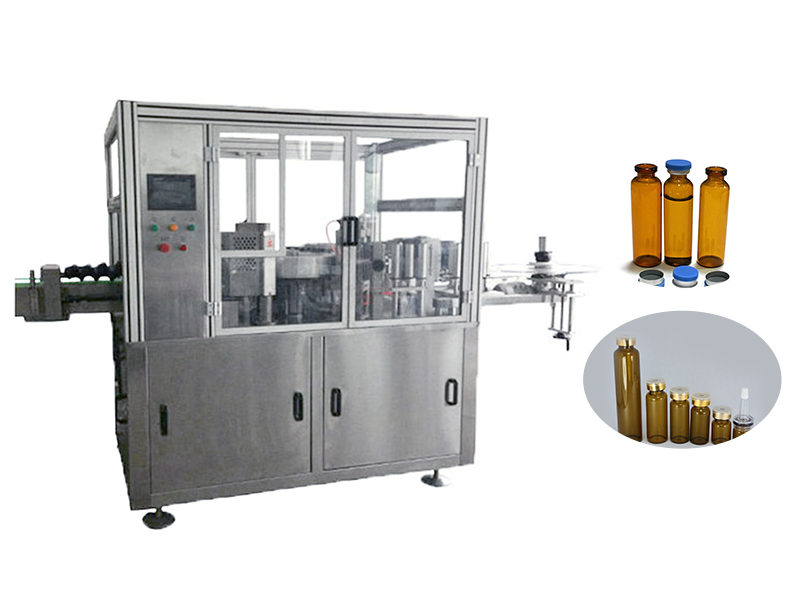
While the operating principle of a liquid filling machine is relatively straightforward, its design and construction are quite complex. Typically, a liquid filling machine consists of the following key components:
1. Feeding System: Responsible for conveying the liquid from a storage tank to the filling system. The feeding system may utilize gravity feed, pump-driven feed, or other methods, depending on the specific properties of the liquid and production requirements.
2. Filling Valve: The filling valve serves as the core component of the liquid filling machine; its function is to regulate the liquid flow rate and the filling volume. Different types of filling valves are suited to different liquid characteristics—such as high-viscosity liquids, foaming liquids, and low-viscosity liquids.
3. Control System: Modern liquid filling machines are typically equipped with advanced PLC (Programmable Logic Controller) systems capable of monitoring and adjusting the filling process in real time. By configuring specific programs, operators can achieve precise control over filling volumes, speeds, and durations.
4. Conveying System: Responsible for transporting filled containers to the subsequent stages of the production line—such as capping, labeling, and packaging. The conveying system typically employs belt conveyors, which offer high levels of stability and reliability.
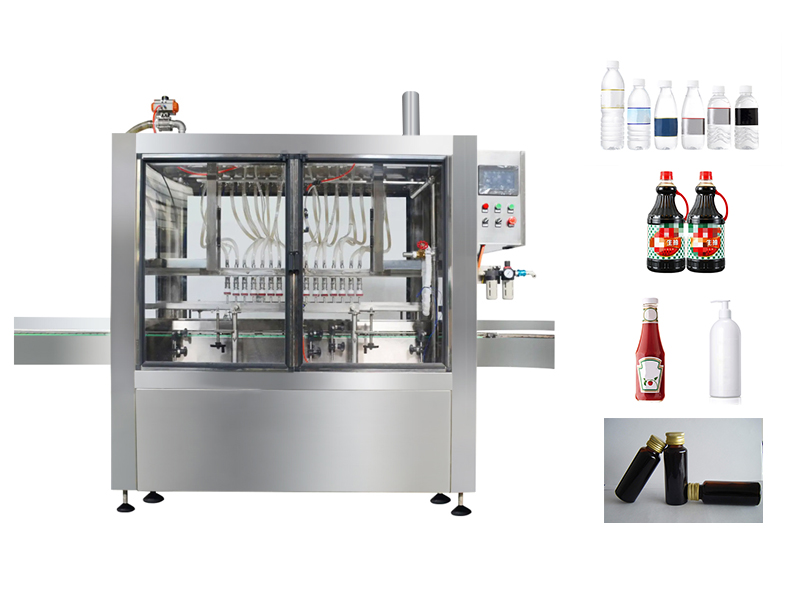
Based on their varying operating principles and filling methods, liquid filling machines can be categorized into the following types:
1. Piston Filling Machines: These machines achieve quantitative liquid filling through the movement of a piston; they are suitable for viscous liquids and liquids containing particulates, such as soy sauce and honey.
2. Gravity Filling Machines: Utilizing the force of gravity, these machines allow liquid to flow into containers through filling valves; they are suitable for low-viscosity liquids, such as water and beverages.
3. Pump-based Filling Machines: These machines employ pump pressure to convey liquid to the filling valves; they are suitable for a wide variety of liquids, particularly those with high viscosity.
4. Pressure Filling Machines: These machines utilize internal pressure to force liquid into containers; they are frequently used for carbonated or volatile liquids, such as carbonated beverages.
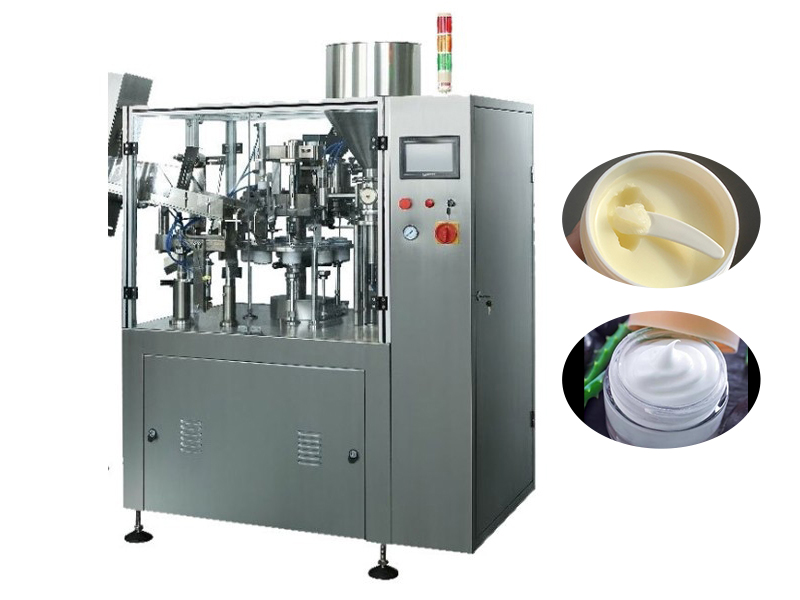
Liquid filling equipment plays an indispensable role in modern industry, providing robust support for the development of various sectors through its highly efficient and precise filling capabilities. With the continuous advancement of technology, liquid filling machines are evolving toward greater intelligence, multifunctionality, and energy efficiency, thereby creating new opportunities for enterprises to enhance both production efficiency and product quality. Through ongoing innovation and refinement, liquid filling equipment is poised to demonstrate even greater potential and value in the future market.