Automated Equipment Manufacturers: The Core of Intelligent Manufacturing
Manufacturers of automation equipment are enterprises specializing in R&D, design, manufacturing, installation, and after-sales service. They provide a wide range of automated production machinery, assisting companies in achieving automated production processes that span the entire journey from raw materials to finished products. By adopting automation equipment, enterprises can minimize manual intervention, boost production efficiency, reduce manufacturing costs, and significantly enhance the consistency and stability of product quality.
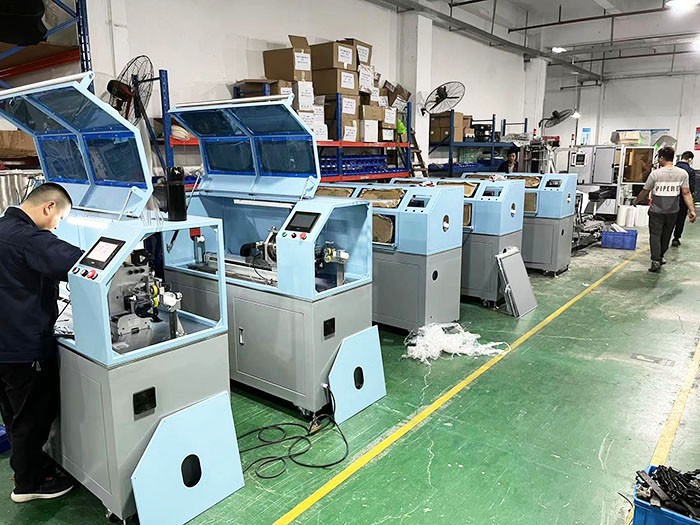
The scope of application for automation equipment is extremely broad, encompassing major industries such as automotive manufacturing, electronics, food processing, pharmaceuticals, packaging, and chemicals. Depending on specific industry requirements, different manufacturers offer a diverse array of products—including customized automated production lines, robotic arms, and CNC equipment—designed to meet the demands of various complex manufacturing processes.
Driven by technological advancements and growing market demand, manufacturers of automation equipment have experienced rapid growth in recent years. The current development of the industry is characterized by the following trends:
1. Technology Upgrades Drive Industry Growth: With the deepening implementation of the Industry 4.0 concept, the manufacturing sector's demand for highly efficient and precise automation equipment has surged. Through continuous technological innovation—particularly in the application of artificial intelligence, robotics, and the Internet of Things (IoT)—automation equipment manufacturers are constantly upgrading the performance and functionality of their machinery.
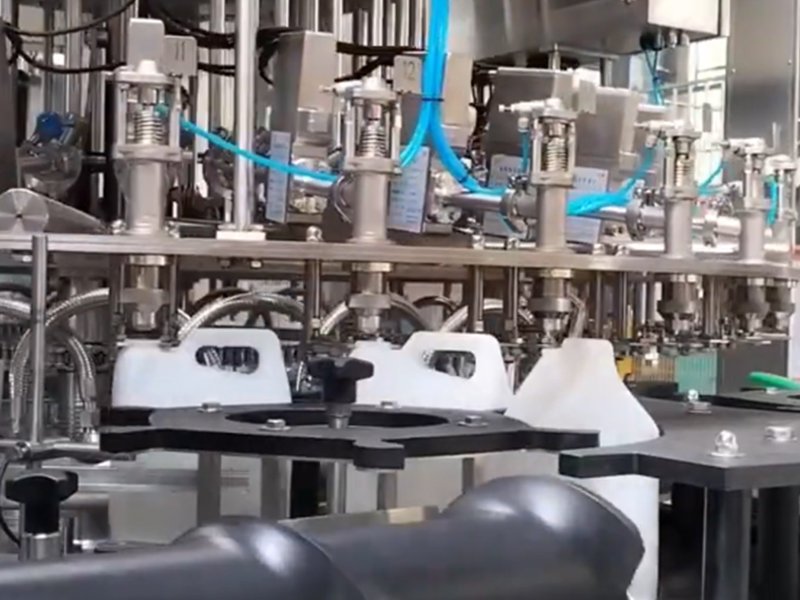
2. Diversification of Market Demand: The demand for automation equipment across different industries is becoming increasingly diverse, with a particular rise in the need for customized machinery. For instance, the food processing industry requires efficient and safe fully automated packaging equipment, while the pharmaceutical industry demands sterile, high-precision filling equipment. By offering a variety of industry-specific solutions, automation equipment manufacturers are effectively meeting the unique requirements of each sector.
3. Intensifying Competition and Clear Consolidation Trends: Competition within the automation equipment manufacturing industry is becoming increasingly fierce, with a continuous emergence of small and medium-sized enterprises (SMEs) both domestically and internationally. However, large-scale enterprises are gradually establishing market dominance by leveraging their technological advantages and production scale. Concurrently, mergers and acquisitions (M&A) and industry consolidation are becoming more frequent; through strategic partnerships or acquisitions, companies are able to expand their market share and optimize resource allocation.
4. Maturing Service Ecosystems: Modern manufacturers of automation equipment no longer simply supply the machinery itself; they now prioritize providing integrated solutions. These comprehensive offerings include equipment installation and commissioning, operational training, routine maintenance, and after-sales support—all designed to fully satisfy the diverse needs of their clients. Consequently, the quality of after-sales service is increasingly becoming a critical component of a manufacturer's overall competitiveness.
The future development trends for manufacturers of automated equipment can be projected from the following perspectives:
1. Intelligent Upgrades: Driven by the continuous advancement of artificial intelligence (AI) and big data technologies, automated equipment will become increasingly intelligent. Future automated systems will not only execute traditional automated production tasks but will also utilize technologies—such as data analytics, machine learning algorithms, and intelligent sensing—to self-adjust and self-optimize, thereby further enhancing production efficiency and precision.
2. Personalized Customization: In the future, enterprises will place greater emphasis on providing customers with personalized, customized services. As the demands of various companies regarding production processes and workflows become increasingly complex, manufacturers of automated equipment will increasingly leverage modular design and customized production methods to meet the unique requirements of diverse clients, thereby boosting customer satisfaction and market competitiveness.
3. Green and Eco-friendly Development: The imperative for environmental protection will drive the development of automated equipment toward energy-saving and eco-friendly solutions. Future equipment must not only boost production efficiency but also minimize energy consumption and waste emissions to the greatest extent possible, ensuring compliance with both national and international environmental standards. Many manufacturers will progressively adopt eco-friendly materials and energy management technologies to provide enterprises with automated equipment that supports sustainable development.
4. Global Strategic Expansion: As the demand for the transformation and upgrading of global manufacturing sectors grows, manufacturers of automated equipment will accelerate their strategic expansion into global markets—particularly in emerging regions such as Southeast Asia and Africa. Through the establishment of global sales networks and service systems, these companies can not only satisfy the demands of the domestic market but also secure greater opportunities for growth within the global marketplace.
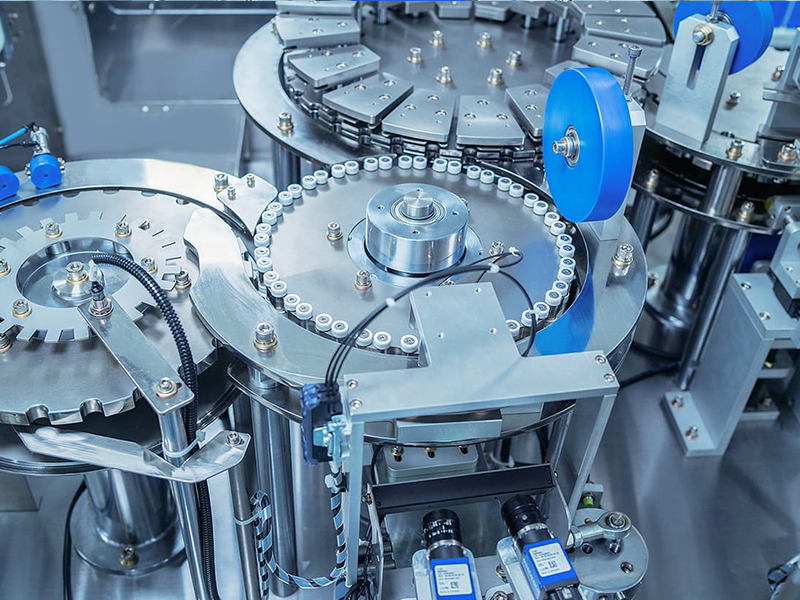
Manufacturers of automated equipment serve as a pivotal force driving the transformation and advancement of the manufacturing industry. Through continuous technological innovation and service enhancements, these manufacturers have not only propelled improvements in production efficiency and product quality but have also delivered customized solutions across a wide spectrum of industries. In the coming era of intelligent manufacturing, manufacturers of automated equipment will continue to play a critical role amidst the waves of Industry 4.0, intelligent upgrades, and green manufacturing, thereby facilitating the global manufacturing sector's evolution toward a future that is more efficient, intelligent, and environmentally sustainable.