Automated Assembly Line Equipment: The Backbone of Intelligent Manufacturing
With the advancement of Industry 4.0 and the development of smart manufacturing, automated assembly line equipment plays a pivotal role in the global manufacturing sector. This type of equipment integrates various technologies—including mechanical, electrical, control, and information systems—to efficiently and continuously execute the entire production process, from raw materials to finished goods. This article will explore in detail the definition, advantages, application fields, and future development trends of automated assembly line equipment.
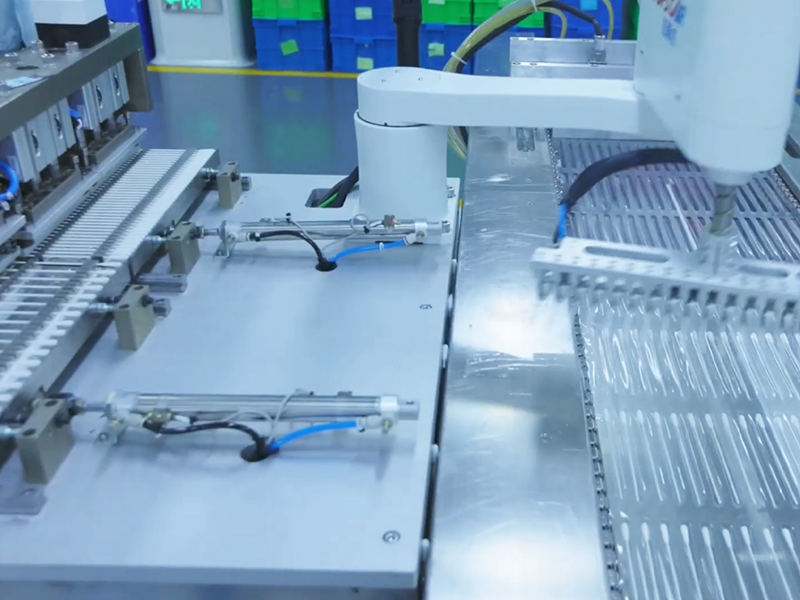
Automated assembly line equipment refers to a combination of mechanical devices capable of automating the production process; through rational process layouts and sophisticated equipment control systems, it enables the automated manufacturing of products. Compared to traditional manual operations, automated assembly line equipment can complete a greater volume of production tasks in a shorter timeframe while minimizing the impact of human factors on product quality.
Automated assembly line equipment typically consists of the following components:
1. Conveying System: Serving as the "backbone" of the entire assembly line, this system is responsible for transporting materials, components, or finished products between various processing stations.
2. Automated Processing Equipment: Acting as the "executors" of the assembly line, these devices may include welding equipment, assembly machinery, coating systems, inspection equipment, and more.
3. Control System: Utilizing devices such as Programmable Logic Controllers (PLCs), this system manages and coordinates the operation of the entire assembly line, ensuring that every stage is executed efficiently and accurately according to the predetermined workflow.
4. Monitoring System: Through the use of sensors, cameras, and data acquisition systems, this component provides real-time surveillance of the production process, ensuring operational stability, facilitating the timely detection of issues, and enabling immediate adjustments.
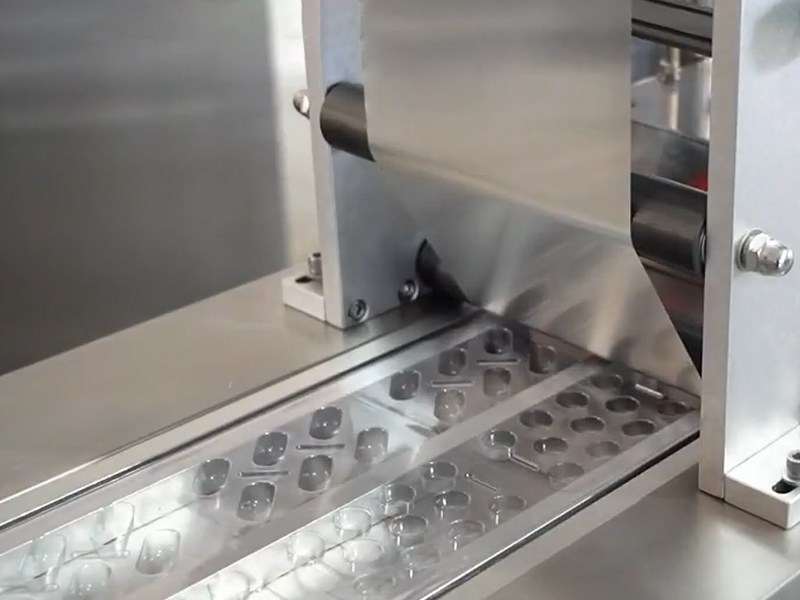
The implementation of automated assembly line equipment can significantly enhance both production efficiency and product quality. Its primary advantages include:
1. Increased Production Efficiency: Automated assembly line equipment enables uninterrupted production, eliminates the idle time associated with manual operations, and leads to a substantial increase in output volume. Furthermore, automated machinery can maintain high-efficiency performance during continuous 24-hour operation, thereby drastically reducing production cycle times.
2. Reduced Production Costs: The deployment of automated assembly lines reduces reliance on human labor, thereby lowering labor costs. Although the initial capital investment for automated equipment may be substantial, the long-term stability of the machinery—combined with its minimal maintenance requirements—results in significantly lower operational costs over time.
3. Ensuring Product Quality Consistency: Automated equipment carries out production based on preset programs, thereby eliminating errors and variations inherent in manual operations and ensuring a high degree of consistency in product specifications and quality. This offers an irreplaceable advantage, particularly in industries with stringent precision requirements—such as electronics and automotive manufacturing.
4. Minimizing Human Error and Safety Risks: The introduction of automated equipment allows machines to replace human labor in hazardous production stages. This reduces the risk of errors and accidents that often arise from direct human involvement in production, thereby ensuring workplace safety.
5. Enabling Flexible Manufacturing: Modern automated assembly lines typically possess highly flexible production capabilities. By simply modifying software programs or adjusting equipment settings, they can adapt to the specific production requirements of different products, effectively meeting the demands of high-mix, low-volume manufacturing.
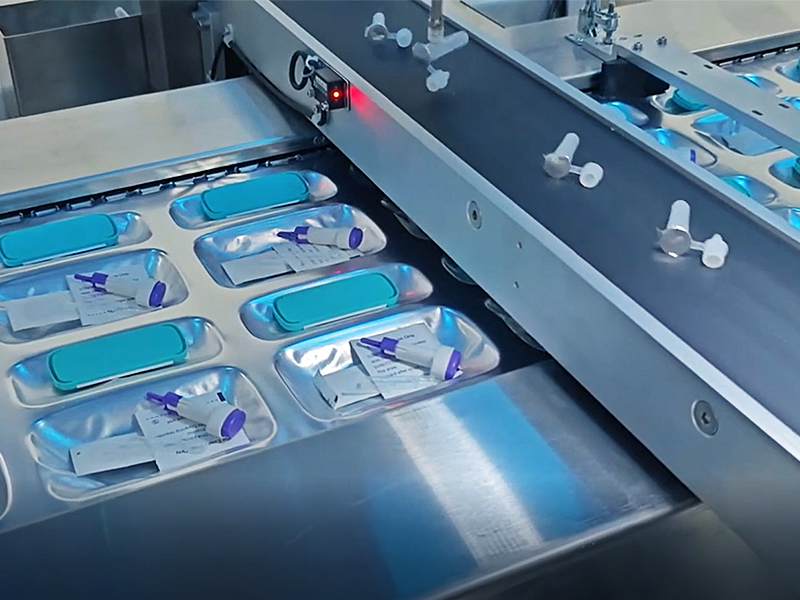
Automated assembly line equipment serves as a cornerstone of modern manufacturing, driving improvements in both industrial production efficiency and product quality. In the coming era of intelligent manufacturing, automated assembly lines will continue to play a pivotal role, empowering enterprises to achieve digital and intelligent transformation and propelling the manufacturing sector to new heights.