Overview and Applications of Fully Automatic Liquid Packaging Machines
A fully automatic liquid packaging machine is a specialized piece of mechanical equipment designed specifically for the automated packaging of liquid products. Through automated control systems, it performs a range of functions—including liquid filling, sealing, coding, labeling, and finished product conveyance—and is widely utilized across various industries such as food and beverages, chemicals, pharmaceuticals, and daily consumer goods. As market demands for production efficiency and packaging quality continue to rise, fully automatic liquid packaging machines have become the preferred choice for many enterprises seeking to implement automated production.
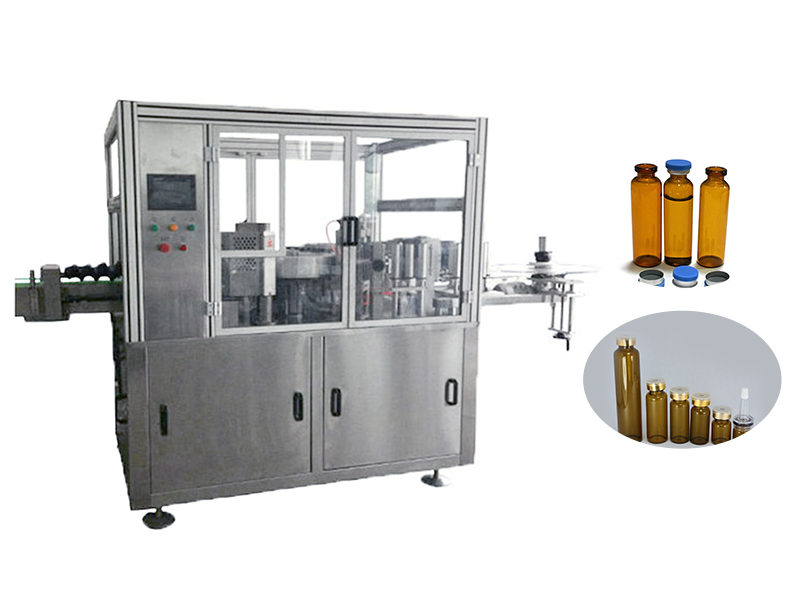
The core operating principle of a fully automatic liquid packaging machine involves using an automated control system to precisely dispense a predetermined volume of liquid product into packaging containers, followed by automatic sealing, coding, labeling, and the final output of the finished product. The primary workflow is outlined below:
1. Automatic Feeding: Liquid materials enter the equipment via an automatic feeding system. Based on preset programs, the machine automatically regulates the feeding speed to ensure a steady flow of liquid into the filling nozzle. The equipment is outfitted with high-efficiency conveying pipelines and a precise flow control system to prevent spillage or waste of the liquid material during transit.
2. Precision Filling: Fully automatic liquid packaging machines are equipped with high-precision liquid metering devices, such as flow meters or load cells. During the filling process, the machine precisely controls the dispensed volume according to the specified liquid capacity, ensuring that the liquid quantity within every packaging container remains consistent.
3. Sealing and Packaging: Once the liquid filling is complete, the packaging containers automatically proceed to the sealing stage. The equipment typically employs methods such as heat sealing, cold sealing, or welding to secure the containers, thereby ensuring the integrity of the seal and the safety of the liquid product. Some machines also support additional functions—such as automatic labeling and coding—to enhance the professional appearance and aesthetic appeal of the finished packaging.
4. Discharge and Inspection: Upon completion of the packaging process, the finished products are transported via an automatic conveyor belt into an inspection zone. Here, the equipment performs real-time monitoring of packaging quality, seal integrity, weight accuracy, and other parameters. If any issues are detected—such as improper sealing or incorrect weight—the machine automatically rejects the defective products, thereby ensuring that the final output meets all established quality standards.
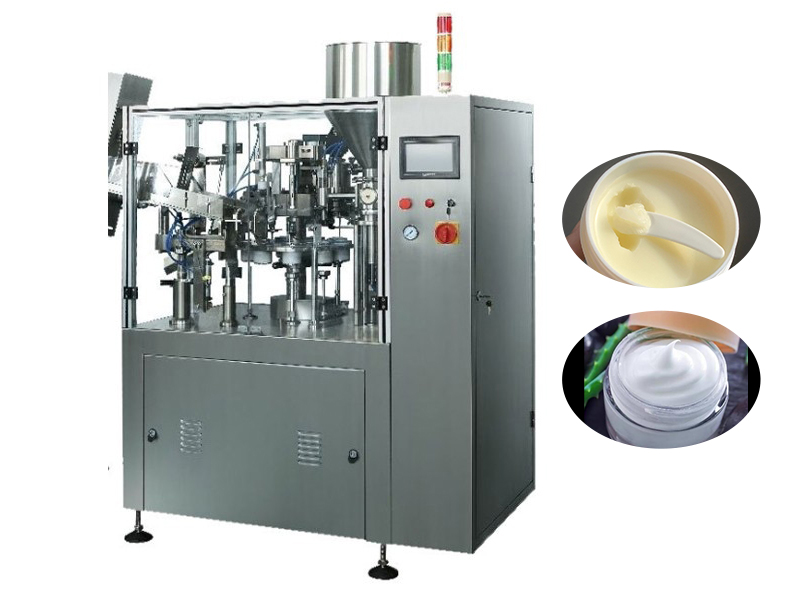
Main Types of Fully Automatic Liquid Packaging Machines
Based on different application fields and packaging requirements, fully automatic liquid packaging machines can be categorized into the following main types:
1. Liquid Pouch Packaging Machines: This type of equipment is primarily used to package liquid products in pouches or bags. It is commonly found in the packaging of products such as milk, beverages, and condiments. Liquid pouch packaging machines are simple to operate and relatively low in cost, making them well-suited to the production needs of small and medium-sized enterprises.
2. Liquid Bottling Machines: Liquid bottling machines are among the most common types of fully automatic liquid packaging equipment, widely utilized across industries such as beverages, cosmetics, and chemicals. Through automated filling and capping processes, these machines enable the efficient packaging of bottled liquid products in various sizes and specifications, making them ideal for large-scale production lines.
3. Liquid Tube Packaging Machines: Liquid tube packaging machines are primarily designed for filling and sealing liquid products into flexible tubes. They are widely applied in industries such as cosmetics, pharmaceuticals, and daily chemical products. These machines are capable of completing the precise, quantitative filling of liquids in a short timeframe, and—by utilizing high-temperature sealing—they ensure both the airtightness of the tubes and the overall quality of the packaging.
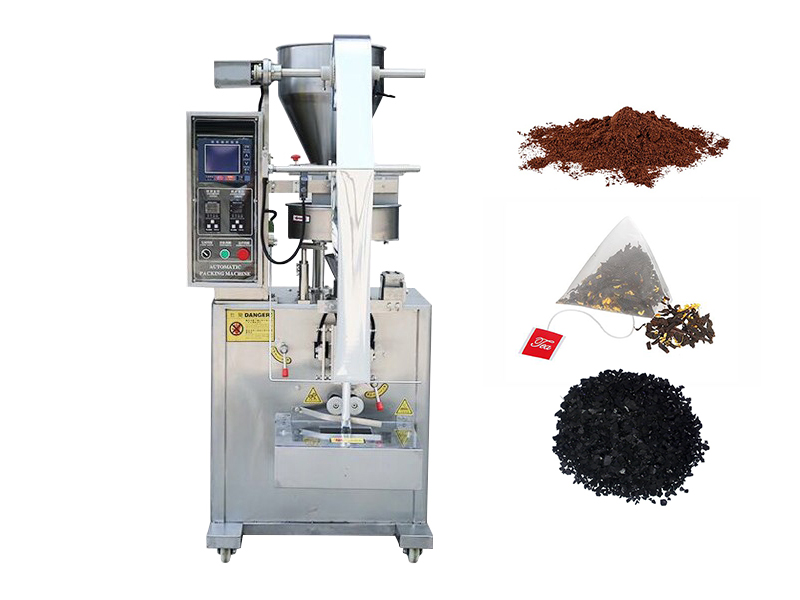
Advantages of Fully Automatic Liquid Packaging Machines
1. High Efficiency and Automation: Through automated control systems, fully automatic liquid packaging machines execute a comprehensive series of processes—ranging from feeding and filling to sealing, coding, and inspection—entirely automatically. This significantly boosts production efficiency. Compared to traditional manual operations, automated equipment minimizes human intervention and substantially reduces the occurrence of human error.
2. Precise Filling: Modern fully automatic liquid packaging machines utilize advanced metering technologies—such as electronic weighing and flow control systems—to precisely regulate liquid filling volumes, ensuring uniform and consistent fill levels across every packaging container. This capability is particularly critical for products requiring high-precision standards, such as those found in the pharmaceutical and cosmetics industries.
3. High Packaging Quality: Fully automatic liquid packaging machines employ sophisticated sealing technologies to ensure that every package is sealed tightly and remains leak-proof. Furthermore, the equipment is capable of performing real-time inline inspections—checking for seal integrity, packaging aesthetics, and other parameters—thereby guaranteeing the high quality of every finished product.
4. Simple Operation and Convenient Maintenance: Typically equipped with touchscreens or PLC control systems, fully automatic liquid packaging machines allow users to complete setup and monitoring tasks via a simple, intuitive interface, thereby reducing operational complexity. Additionally, the modular design of the equipment facilitates easier maintenance; users can replace specific modules as needed, ensuring the continuous and uninterrupted operation of the production line.
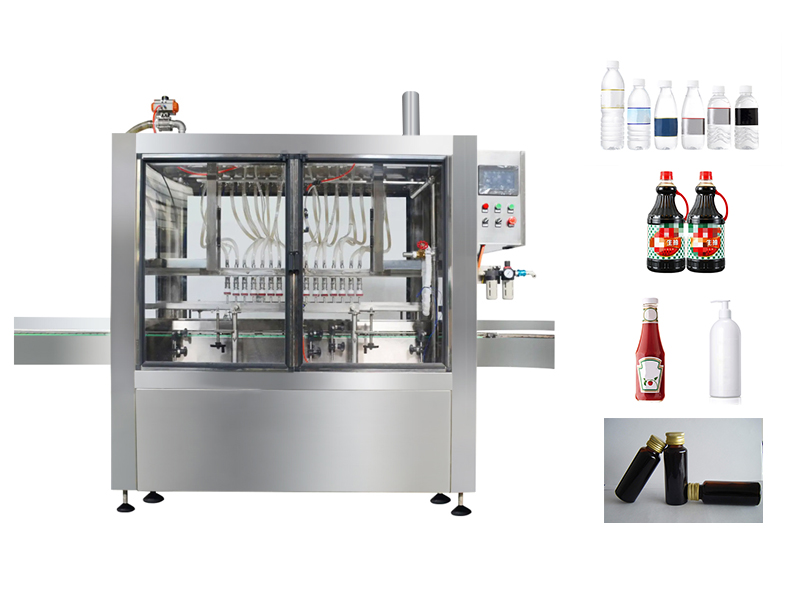
As a vital piece of equipment in modern industrial manufacturing, fully automatic liquid packaging machines have become an indispensable asset across numerous industries, distinguished by their advantages in efficiency, precision, and automation. Driven by continuous technological advancements, these machines are poised to evolve further in terms of intelligence, eco-friendliness, and multi-functionality, empowering enterprises to enhance production efficiency and optimize their manufacturing workflows.