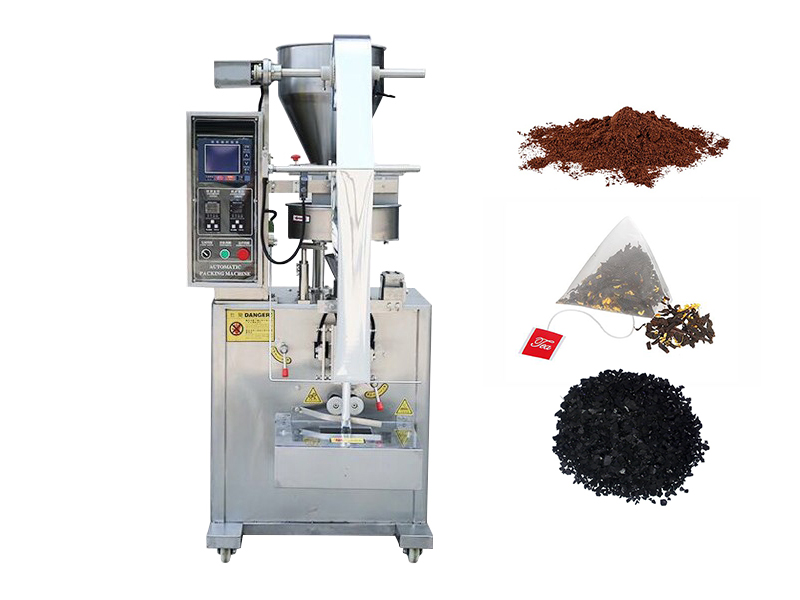
Working Principles and Applications of Automatic Powder Packaging Machines
An automatic powder packaging machine is a specialized piece of mechanical equipment designed specifically for packaging powdered materials. Utilizing an automated control system, it executes operations such as quantitative filling, packaging, sealing, and labeling of powdered substances; consequently, it is widely utilized across industries including food, pharmaceuticals, chemicals, and daily consumer goods. In modern industrial settings, automated packaging equipment has significantly boosted production efficiency while simultaneously minimizing errors and waste associated with manual operations.
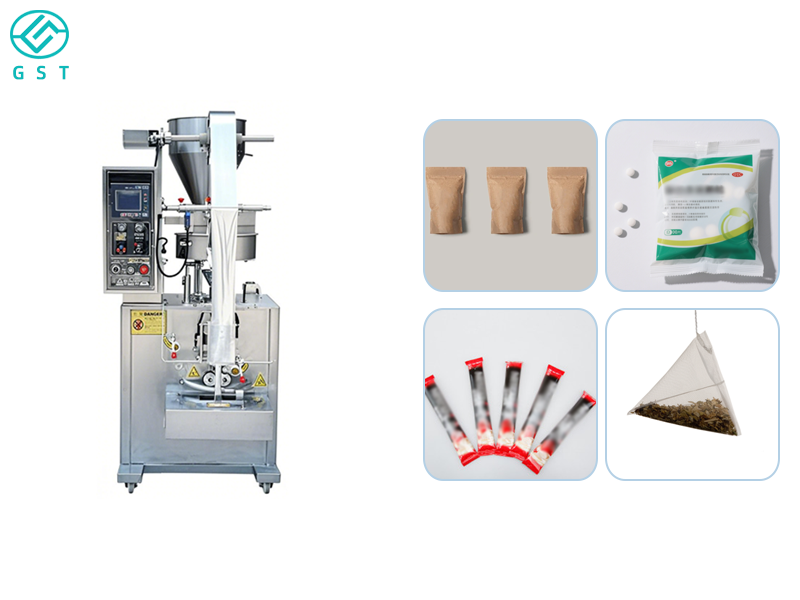
Working Principles of the Automatic Powder Packaging Machine
The core function of an automatic powder packaging machine is to ensure the precise weight of every packaged unit of powder through the use of sophisticated quantitative devices. Its primary workflow is outlined as follows:
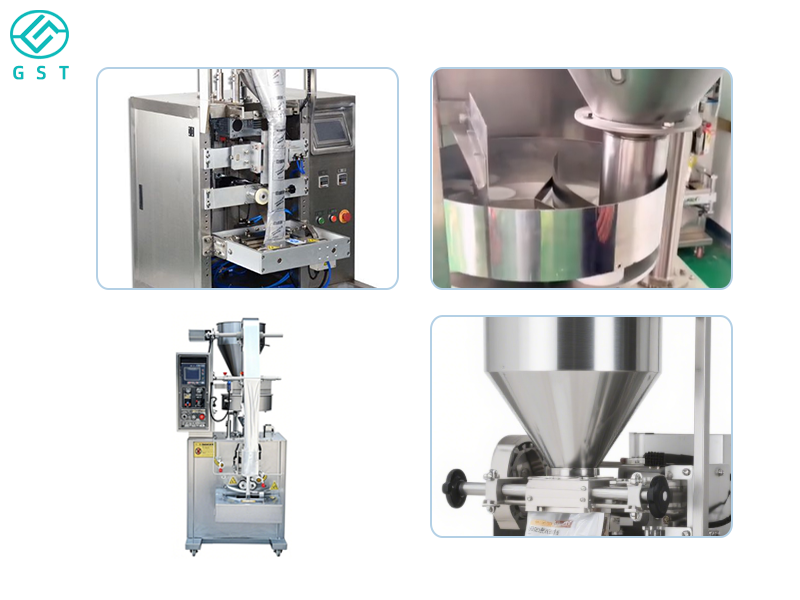
1. Automatic Feeding: Powdered material enters the packaging machine via a hopper. The equipment is outfitted with an automatic feeding system capable of adjusting the feed rate according to production demands, thereby ensuring a steady and consistent supply of powder.
2. Precise Metering: Automatic powder packaging machines typically feature screw metering, electronic weighing, or volumetric metering systems. Screw metering is a common method wherein a rotating auger conveys the powder; this technique offers high metering accuracy and is well-suited for packaging various types of powdered materials, including fine and ultra-fine powders.
3. Packaging and Sealing: Once precisely measured, the powder is automatically filled into pre-designated packaging bags. Depending on the specific requirements of the packaging material, the equipment employs heat sealing, cold sealing, or pressure sealing methods to secure the package, thereby ensuring airtightness and extending the product's shelf life.
4. Labeling and Coding: Following the sealing process, the machine automatically prints information such as the production date and batch number to ensure product traceability. Some machines also support automatic labeling systems, facilitating subsequent logistics and sales management.
5. Finished Product Output and Inspection: Upon completion of the packaging process, the finished products are automatically conveyed via a conveyor belt to a designated location. The equipment performs real-time, inline inspections of the package weight and seal integrity to ensure that every unit meets the required specifications. If a package is detected as having an incorrect weight or a defective seal, the machine will automatically reject and remove the non-compliant product.
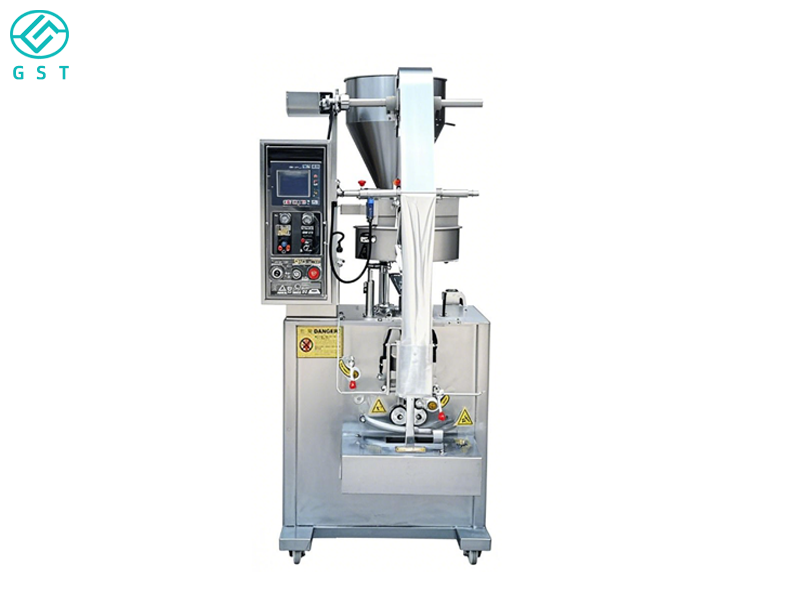
Key Features of Automatic Powder Packaging Machines
1. High-Efficiency Automated Production: Automatic powder packaging machines automate the entire process—from powder feeding and weighing to packaging and sealing—thereby significantly boosting production efficiency. Compared to traditional manual operations, automated equipment minimizes human intervention, enabling the completion of large-volume packaging tasks within a much shorter timeframe.
2. Precise Weighing, Reduced Waste: Utilizing precision weighing systems—such as auger fillers and electronic scales—automatic powder packaging machines ensure consistent weight in every package. This not only enhances product quality consistency but also minimizes raw material waste, thereby contributing to lower production costs.
3. Versatile Adaptability: Modern automatic powder packaging machines are compatible with a wide variety of powdered materials. These include food products (such as milk powder and coffee powder), pharmaceuticals (medicinal powders and health supplements), and chemical products (laundry detergents and pesticides). The equipment can adjust its operating parameters to suit the specific characteristics of different materials, ensuring precise and efficient packaging.
4. Eco-friendly and Hygienic Design: Automatic powder packaging machines are typically constructed using corrosion-resistant materials—such as stainless steel—to ensure compliance with strict hygiene standards in industries such as food processing and pharmaceuticals. Furthermore, the equipment features excellent sealing capabilities during the packaging process, effectively preventing secondary contamination of the powdered materials.
5. Ease of Operation and Maintenance: Most modern automatic powder packaging machines feature Human-Machine Interfaces (HMI) or PLC control systems, allowing operators to easily set parameters and monitor the production process via a touchscreen interface. Their modular design facilitates convenient maintenance, thereby minimizing downtime.
Automatic powder packaging machines are indispensable assets in modern industrial production; thanks to their efficiency, precision, and automated capabilities, they are widely utilized across a diverse range of industries. As technology continues to advance, these machines are evolving toward greater intelligence, eco-friendliness, and multifunctionality—trends that will further boost production efficiency, reduce operational costs, and meet the ever-changing demands of the market.