Fully Automated Intelligent Production Lines: The Core of the Industry 4.0 Era
With the advent of the Industry 4.0 era, fully automated intelligent production lines have gradually emerged as one of the core technologies in the manufacturing sector. These highly automated and intelligent production lines achieve a deep integration of mechanical equipment, information systems, and sensor technologies, thereby realizing comprehensive automation, precision, and intelligence throughout the entire production process. Not only do they boost production efficiency and reduce costs, but they also enhance product quality consistency, thereby providing enterprises with a significant competitive advantage in a fiercely contested market.
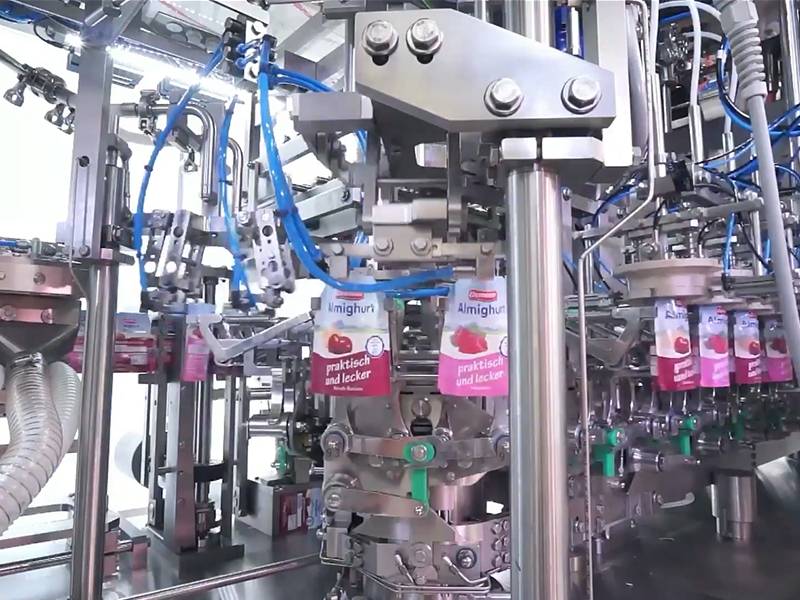
A fully automated intelligent production line refers to a system that utilizes robots, automated machinery, intelligent control systems, and information technology to automate operational tasks throughout the manufacturing process. Its core principle lies in leveraging intelligent equipment to manage production scheduling, quality inspection, and data feedback, thereby minimizing manual intervention while simultaneously boosting production efficiency and product quality.
1. High Degree of Automation: Fully automated intelligent production lines replace manual labor with robots and robotic arms to execute the entire production cycle—from raw material conveyance to finished product packaging. Operators need only configure parameters via a system interface, after which the production equipment operates autonomously; this eliminates the frequent manual interventions characteristic of traditional production lines and substantially reduces labor costs.
2. Intelligent Control and Monitoring: Utilizing advanced sensors and data acquisition technologies, the production line monitors equipment operational status in real time, ensuring that machinery operates under optimal conditions. Data generated during the production process is collected and analyzed in real time, enabling the system to automatically adjust equipment settings to optimize workflows and enhance efficiency.
3. Flexible Production: Fully automated intelligent production lines possess exceptional flexibility, allowing for rapid reconfiguration to accommodate diverse production tasks. For instance, by swapping out production modules and reprogramming the system, the line can easily adapt to the manufacturing requirements of different product models, thereby mitigating the operational complexities typically associated with product diversification.
4. Quality Consistency and Traceability: Through the use of sensors and automated inspection equipment, intelligent production lines monitor various product parameters in real time to ensure that every single item meets established quality standards. Furthermore, every stage of the production process within the line is fully traceable; this capability facilitates the rapid identification and resolution of issues should quality defects arise, thereby significantly enhancing overall product quality consistency.
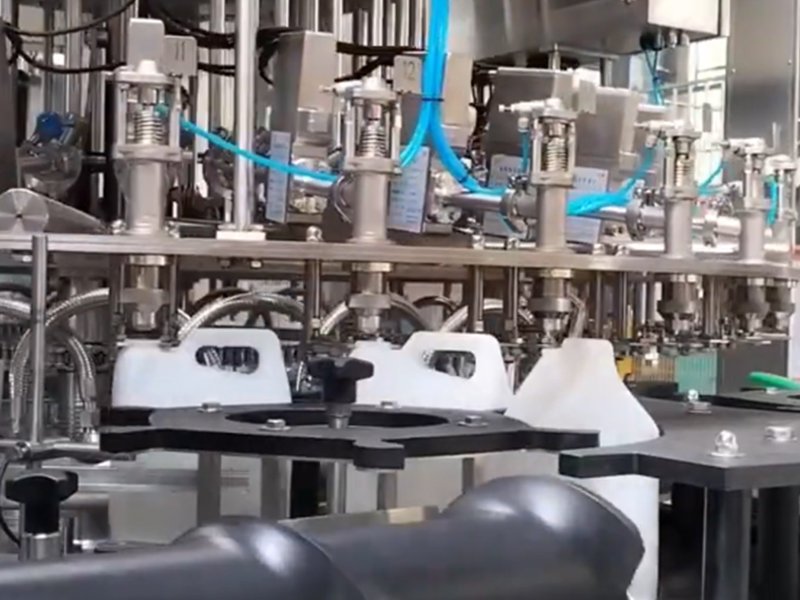
The successful operation of a fully automated intelligent production line relies on the collaborative functioning of multiple systems and devices, primarily comprising the following components:
1. Automated Equipment: These devices form the foundation of the production line, encompassing robotic arms, automated conveyors, CNC machine tools, and more. They are capable of executing tasks such as material handling, processing, assembly, and inspection, thereby ensuring the efficient execution of the entire production process.
2. Intelligent Control System: The core of an intelligent production line is its control system, which is managed through technologies such as Programmable Logic Controllers (PLCs), Distributed Control Systems (DCS), or Industrial PCs (IPCs). This control system is responsible for the automated scheduling of equipment, the real-time monitoring of operational status, and the optimized regulation of the production workflow, ensuring that the entire process remains both efficient and stable.
3. Sensor Networks and Data Acquisition Systems: Various sensors are strategically deployed at key nodes throughout the production line to collect real-time parameters—such as temperature, pressure, speed, and position—from the equipment. This data is transmitted via a network to a central control system, where it is utilized for analysis and decision-making.
4. Artificial Intelligence and Big Data Analytics: Intelligent production lines leverage big data technologies and AI algorithms to analyze collected production data. This analysis serves to optimize production processes, predict potential equipment failures, and facilitate automated maintenance and adjustments. Machine learning techniques further enable the system to continuously self-improve based on historical data, thereby enhancing both production efficiency and product quality.
5. Internet of Things (IoT) Technology: IoT technology interconnects all equipment, sensors, and information systems, enabling real-time communication and coordination among devices to significantly boost the overall synergy and efficiency of the production line. Furthermore, the IoT facilitates remote monitoring and maintenance capabilities, thereby drastically reducing downtime caused by equipment malfunctions.
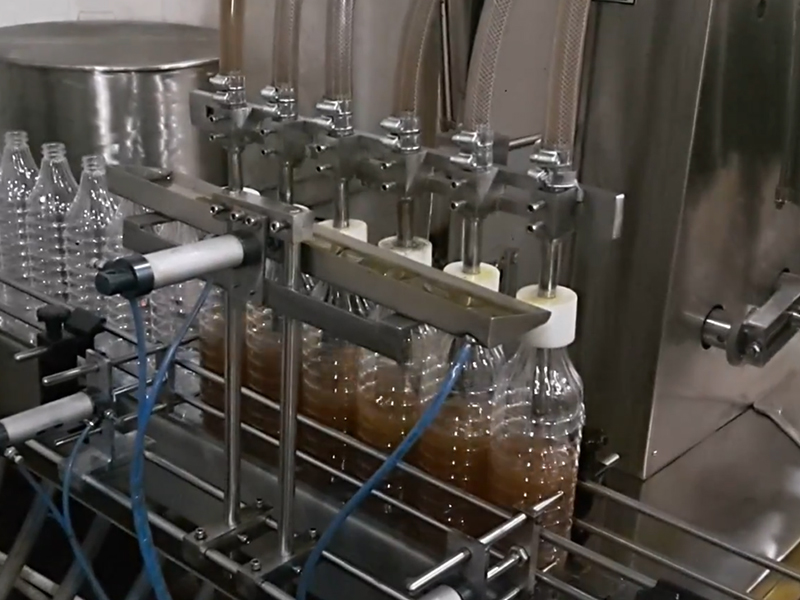
Fully automated intelligent production lines represent the future trajectory of industrial automation and digitalization, delivering substantial production benefits and quality improvements across a wide spectrum of industries. As these technologies continue to mature, an increasing number of enterprises are expected to adopt this advanced production model, driving the global manufacturing sector toward a future characterized by greater intelligence and efficiency.