Automated food production line equipment: Improving the efficiency of the food industry
Automated food production line equipment is a type of production equipment that integrates automated control technology. It can complete various production stages of food processing, handling, and packaging with minimal or no human intervention. The equipment is diverse, covering various types of food production processes, from baked goods to beverages, dairy products, and convenience foods. These automated devices typically include raw material processing machines, mixers, filling machines, packaging machines, sterilizers, and conveyor belts. Through real-time feedback from automated control systems and sensors, the equipment can autonomously adjust production parameters to ensure the precision and consistency of food production.
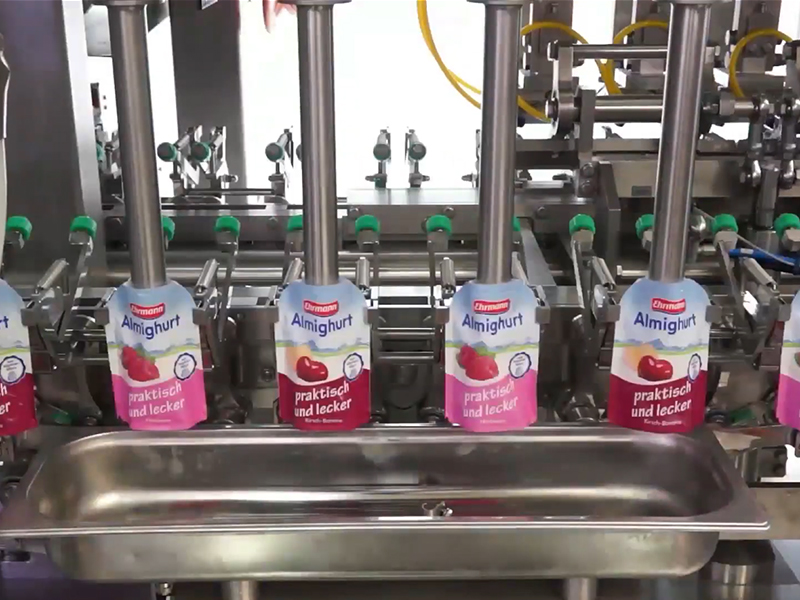
Key Features of Automated Food Production Line Equipment
1. High-Efficiency Production: Automated equipment enables continuous production without interruption due to manual operation. Automated food production lines typically use a series of automated operation modules for rapid processing, packaging, and transportation. This significantly reduces manual operation time, improving production efficiency and shortening delivery cycles.
2. Precise Control: Automated equipment incorporates high-precision sensors and control systems that can precisely control key parameters such as temperature, pressure, and time according to the process requirements of food production. Food receives meticulous processing and handling in different process flows, ensuring the consistency of each batch of product.
3. Hygiene and Safety Assurance: Food production has extremely high hygiene requirements. Automated equipment can effectively reduce the number of times people handle food, lowering the risk of contamination. The equipment is typically made of stainless steel, meeting food processing hygiene standards and is easy to clean and maintain, ensuring food safety.
4. High Flexibility: Modern automated food production lines can be adjusted to different food types and production requirements. The equipment can adapt to various packaging specifications and processing techniques, and can even control the switching between different production lines through software systems, meeting diverse market demands.
5. Intelligent Monitoring: Advanced automated production lines are typically equipped with intelligent monitoring systems that can track various data during the production process in real time, such as production speed, equipment operating status, and raw material usage. Through real-time data feedback and analysis, companies can promptly identify and adjust production issues, ensuring smooth and efficient production.
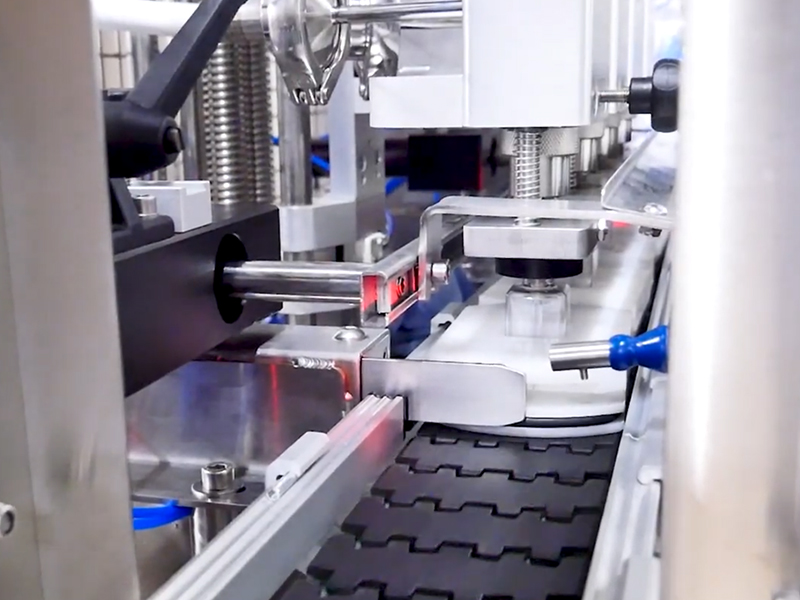
Advantages of Automated Food Production Line Equipment
1. Increased Production Efficiency and Reduced Costs: The biggest advantage of automated equipment is its significantly improved production efficiency. Traditional manual operations are often inefficient and prone to human error, while automated equipment can achieve continuous 24-hour production, maximizing capacity. Automated production lines also reduce labor costs and expenses associated with staff turnover and training.
2. Ensured Stable Product Quality: Automated food production line equipment ensures that every step of the production process adheres to set standards through precise control and data feedback. Whether it's raw material ratios or packaging weights, accuracy is guaranteed, ensuring consistent quality across batches and enhancing the market competitiveness of the food.
3. Enhanced Food Safety: Automated production equipment minimizes human contact with food, reducing the risk of contamination during production. Furthermore, the equipment materials and design typically meet international hygiene standards, ensuring food safety during production. This effectively reduces food safety issues for food companies and increases consumer trust.
4. Adaptability to Market Changes and Increased Production Flexibility: As market demands constantly evolve, food types and packaging formats are also continuously updated. Automated food production line equipment boasts high flexibility, enabling rapid adjustments to production parameters to adapt to the needs of diverse foods and packaging. Companies can quickly launch new products based on market demands, maintaining their competitiveness.
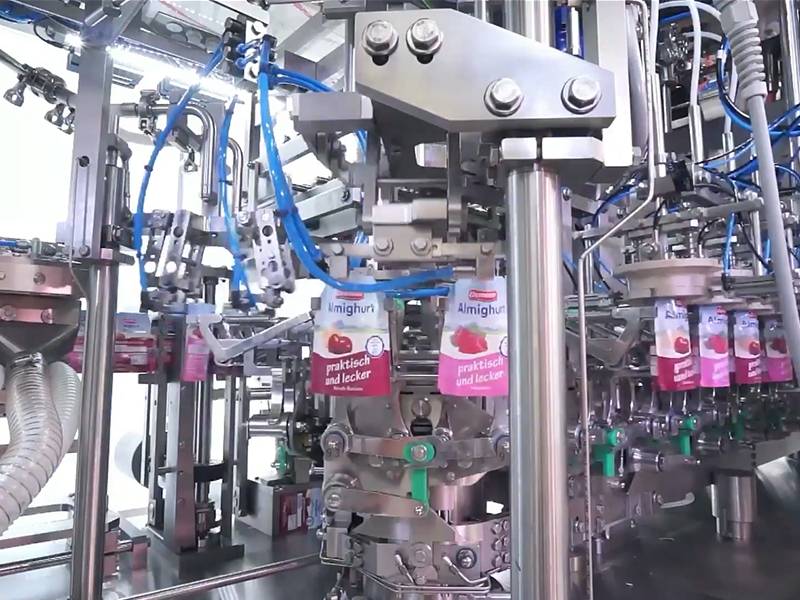
The widespread application of automated food production line equipment has not only driven the modernization and automation of the food industry but also provided companies with more efficient, safe, and sustainable production methods. With continuous technological advancements, future automated food equipment will become even more intelligent and efficient, offering greater possibilities for the development of the food industry.