The Advantages of Automated Equipment in Modern Production
With the continuous advancement of technology, automated equipment has assumed an increasingly pivotal role in modern industrial production. Whether in manufacturing, logistics, or sectors such as food and pharmaceuticals, automated equipment has emerged as a core technology for boosting production efficiency, ensuring product quality, and reducing costs. The widespread adoption of automated equipment has not only transformed traditional production methods but has also yielded numerous advantages that cannot be overlooked.
1. Increased Production Efficiency
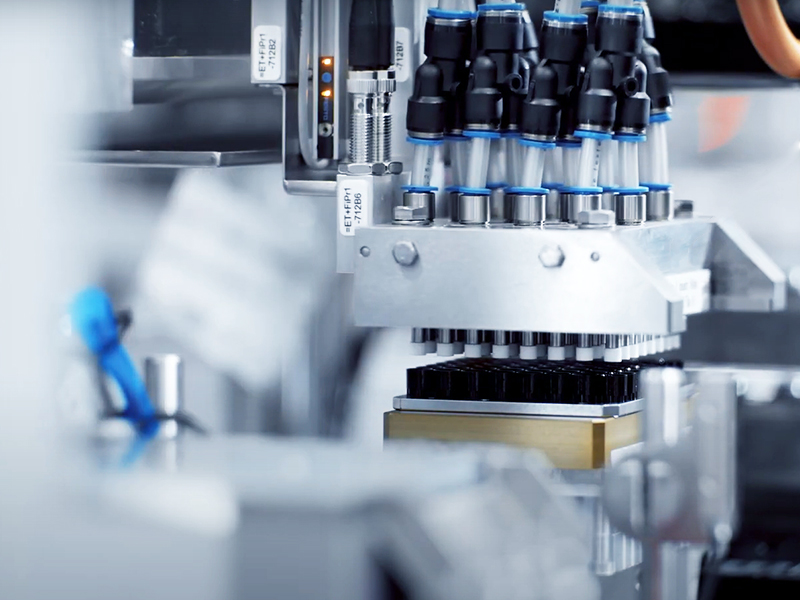
One of the most significant advantages of automated equipment is its capacity to substantially boost production efficiency. Traditional manual operations rely heavily on the skill level of individual workers and are susceptible to factors such as fatigue and emotional states, leading to fluctuations in efficiency. In contrast, automated equipment—utilizing high-precision control systems—can maintain a consistent level of operational efficiency during prolonged periods of continuous operation. Whether the task involves assembly, packaging, or processing, automated equipment can execute tasks rapidly and stably, thereby significantly shortening production cycles.
Furthermore, automated equipment enables uninterrupted, 24-hour production. Particularly in industries requiring high output—such as automotive manufacturing and electronics production—the continuous operational capability of this equipment allows enterprises to dramatically increase their production capacity and meet rapid market demand for their products.
2. Enhanced Product Quality and Consistency
Through precise programmed controls and high-sensitivity sensors, automated equipment can strictly adhere to predefined process parameters during production, thereby ensuring the consistent quality of every single product. Compared to manual operations, automated equipment offers superior accuracy and stability regarding processing dimensions, finished product quality, and other critical attributes.
For instance, in the production of electronic components, automated equipment can precisely control key parameters—such as soldering temperature, duration, and positioning—to guarantee that every component meets rigorous technical standards. Similarly, in the food industry, automated equipment ensures that every production batch meets consistent standards across stages such as ingredient mixing, blending, and packaging, thereby eliminating quality fluctuations caused by human error.
3. Reduced Labor Costs
In today's economic climate, characterized by rising labor costs, the deployment of automated equipment offers an effective means for enterprises to reduce their personnel expenses. Traditional production models typically require a large workforce to handle operations, material handling, and assembly tasks; automated equipment, however, can effectively replace human workers in numerous roles that involve repetitive motions or are physically demanding. By introducing automated equipment, enterprises can reduce their reliance on human labor—particularly in hazardous or harsh environments involving conditions such as high temperatures, high pressures, or chemical corrosion—where automated systems can perform tasks in place of workers, thereby mitigating safety risks. This not only boosts production efficiency but also reduces labor costs, endowing enterprises with a stronger cost advantage in the competitive landscape.
4. Optimizing Resource Utilization and Reducing Waste
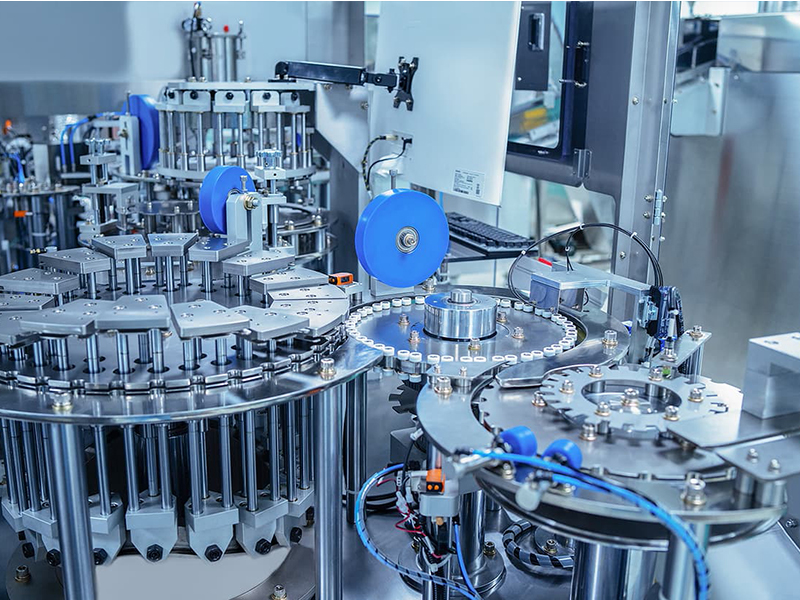
Automated equipment typically features high-precision control systems capable of accurately calculating and regulating resource inputs at every stage of production. Whether involving raw material usage or energy consumption, automated systems can minimize waste to the greatest extent through precise adjustments.
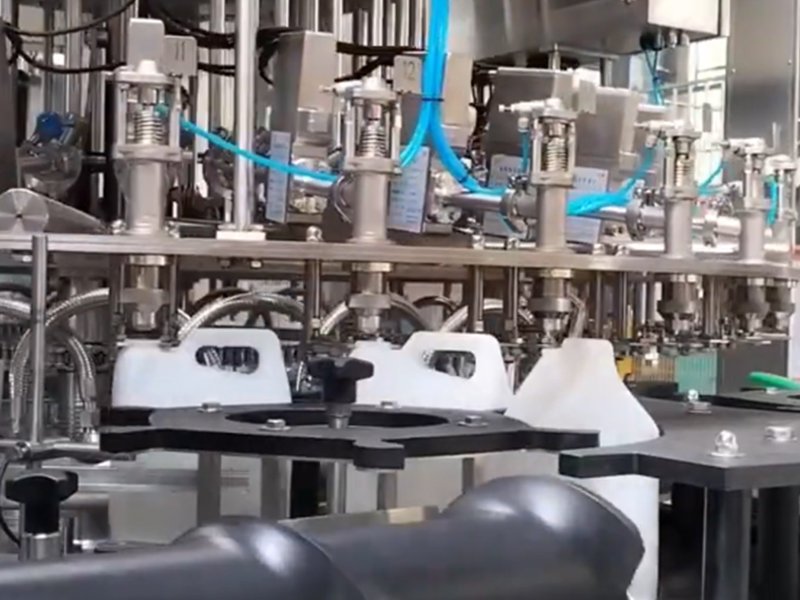
For instance, on a liquid filling production line, automated equipment can precisely control the fill volume of every bottle, preventing both overfilling and underfilling, thereby reducing raw material waste. Concurrently, automated systems can utilize energy-saving technologies to lower equipment power consumption, thereby reducing the factory's energy costs and environmental footprint.
5. Enhancing Production Flexibility
As market demands constantly evolve, enterprises must rapidly reconfigure their production lines to meet the manufacturing requirements of diverse products. Automated equipment typically features a modular design, allowing for rapid adjustments and changeovers in response to varying production needs. This capability enables enterprises to complete production switches—shifting from one product to another—within a short timeframe, thereby enhancing both production flexibility and responsiveness.
For example, in the automotive manufacturing sector, automated production lines can facilitate the rapid production of components for different car models simply by adjusting equipment parameters and programming. Similarly, in the packaging industry, automated equipment can automatically adapt to varying product specifications and packaging requirements, thereby accommodating a diverse range of packaging needs.
6. Enhancing Safety
The deployment of automated equipment can also significantly enhance safety within the production process. In industries characterized by high inherent risks—such as mining, chemicals, and metallurgy—worker safety remains a paramount concern for enterprises. By introducing automated systems, workers can avoid direct contact with hazardous materials or working in dangerous environments, thereby reducing the incidence of industrial accidents.
For instance, in chemical manufacturing, automated equipment can handle the conveyance and processing of highly corrosive liquids without requiring direct manual intervention. This not only ensures the smooth continuity of production but also effectively safeguards the health and safety of the workforce.
Leveraging its distinct advantages in areas such as production efficiency, product quality, consistency, and cost control, automated equipment is rapidly becoming an indispensable core technology across a wide spectrum of industries. As technology continues to advance, automated systems will continue to drive the evolution of modern industry, generating ever-greater value for enterprises. For enterprises seeking to stand out amidst fierce market competition, the introduction and application of automated equipment is undoubtedly key to enhancing their competitiveness.