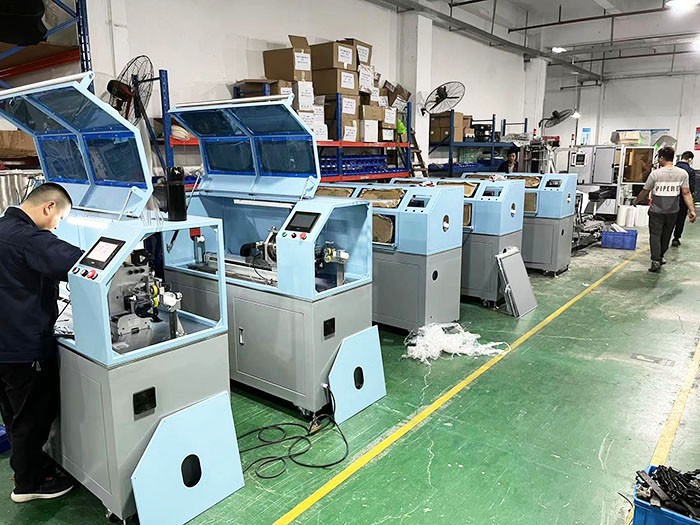
Automated Assembly Equipment: The Core Driving Force of Industrial Automation
With the advent of the Industry 4.0 era, the application of automation technology has flourished within the global manufacturing sector, particularly in the field of assembly. As core equipment for realizing intelligent and highly efficient modern production, automated assembly equipment has become an indispensable component of production processes across various industries. Through mechanized operations, intelligent control systems, and sensor technology, this type of equipment automatically assembles individual parts into finished products, thereby significantly boosting production efficiency and product quality while simultaneously reducing production costs. This article will delve into the operating principles, advantages, and impact of automated assembly equipment on the manufacturing industry.
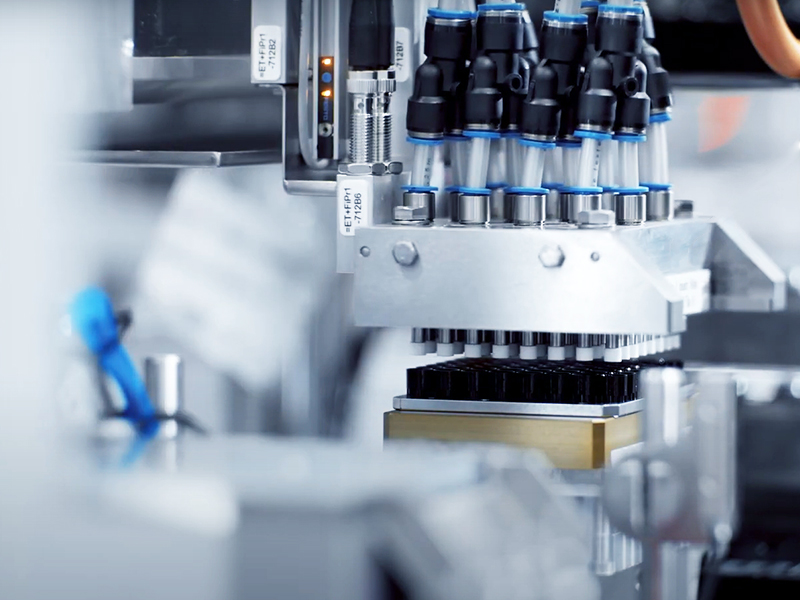
Automated assembly equipment refers to a machine or system capable of automatically executing the product assembly process; it is typically utilized to assemble multiple components into a complete product in accordance with a predetermined program and process sequence. The operation of such equipment is entirely program-controlled and primarily encompasses a series of stages, including parts feeding, positioning, assembly, fastening, and inspection. Its core technologies include robotic arms, sensors, PLC control systems, and precision machining components.
The operating principles of automated assembly equipment can generally be categorized into the following steps:
1. Parts Feeding and Positioning: The equipment utilizes an automated feeding system to deliver the parts awaiting assembly to their designated locations, while sensors verify the accuracy of each part's position. This process ensures that every part is precisely conveyed to the subsequent assembly station.
2. Assembly and Operation: Robotic arms or other automated assembly tools execute the accurate assembly, connection, or fastening of parts in accordance with a preset program. This stage typically employs high-precision assembly mechanisms to guarantee the assembly quality of every individual part.
3. Quality Inspection and Adjustment: Upon the completion of assembly, the equipment performs inspections on the product—checking parameters such as dimensions and connection stability. Should any anomalies be detected, the equipment will automatically make adjustments or reject the non-conforming products.
4. Finished Product Output and Packaging: Once assembled, the finished products are conveyed—via conveyor belts or other means—to the next stage of the process, such as final inspection or packaging.
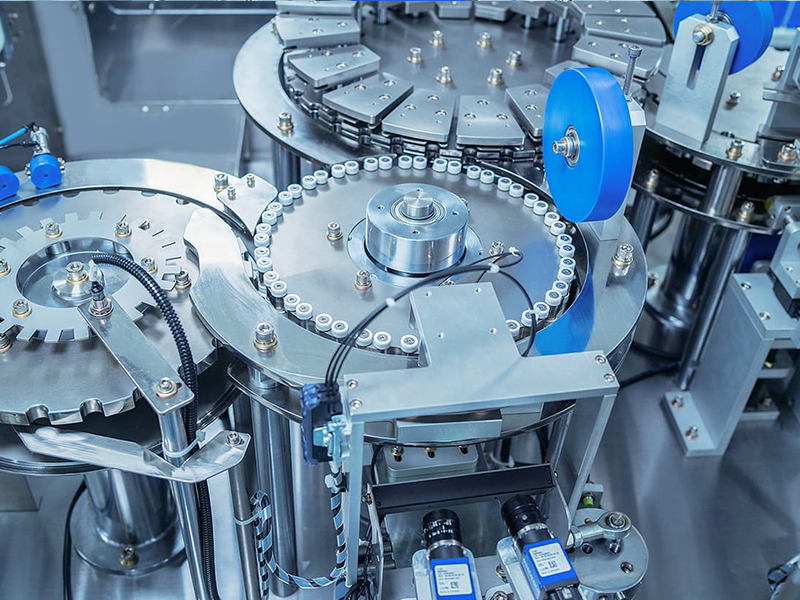
Advantages of Automated Assembly Equipment
1. Increased Production Efficiency: One of the primary advantages of automated assembly equipment is its ability to significantly boost production efficiency. Traditional manual assembly processes consume vast amounts of human labor and time, whereas automated equipment can operate continuously—24 hours a day—thereby drastically shortening product production cycles. For products requiring extensive repetitive operations, automated assembly equipment can complete the assembly of large volumes of units within a short timeframe.
2. Reduced Production Costs: The use of automated assembly equipment effectively reduces reliance on human labor, thereby substantially lowering labor costs. Given the continuous rise in labor wages, the deployment of automation equipment enables enterprises to realize significant cost savings over the long term. Furthermore, automated assembly systems minimize material waste caused by human error during manual operations, thereby improving the utilization rate of raw materials.
3. Enhanced Product Quality and Consistency: Through precise mechanical operations, automated assembly equipment ensures that the assembly process for every single product adheres to uniform standards, thereby guaranteeing product quality consistency. Compared to manual operations, machines maintain a higher degree of precision and consistency when executing complex assembly tasks, effectively eliminating the deviations that may arise from human intervention.
4. Improved Safety: In production environments that are hazardous or unsuitable for human operators—such as those involving high temperatures, high pressure, or toxic chemicals—automated assembly equipment can perform tasks in place of human workers. This reduces the duration of human exposure to dangerous conditions, thereby significantly enhancing overall production safety.
5. Flexibility and Scalability: Modern automated assembly equipment features a high degree of flexibility, capable of adapting to the production requirements of different products through simple programming adjustments. This means that enterprises can produce various types of products by simply upgrading software or making minor hardware modifications, without the need to replace the entire production line; this, in turn, optimizes the utilization rate and flexibility of the production line.
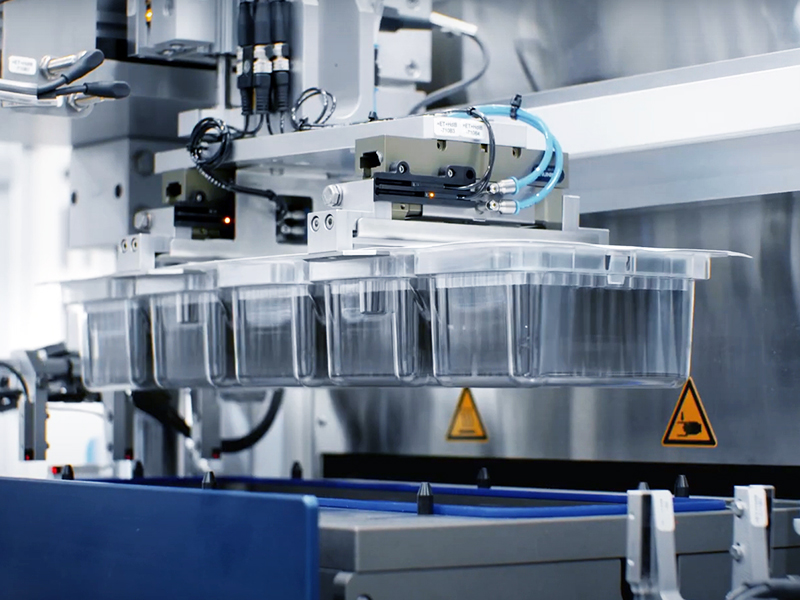
As a vital component of modern industry, automated assembly equipment is continuously driving the manufacturing sector toward greater efficiency and intelligence. Through technological innovation and flexible application, automated assembly equipment will provide more competitive production solutions across a wide range of industries. In the future, as technology continues to advance, automated assembly equipment is poised to demonstrate its immense potential in an even broader array of fields.