Automated Assembly Lines: A Key Technology Driving Manufacturing Transformation
With the advent of the Industry 4.0 era, the global manufacturing sector is undergoing a profound transformation. Automated assembly lines—serving as one of the core technologies within this shift—are redefining traditional production models. By integrating automated equipment, intelligent control systems, and data analytics technologies, these production lines achieve full-process automation, spanning everything from component assembly to finished product packaging. This not only significantly boosts production efficiency but also delivers higher product quality and lower production costs for enterprises. This article will explore the operating principles, advantages, and far-reaching impact of automated assembly lines on the manufacturing industry.
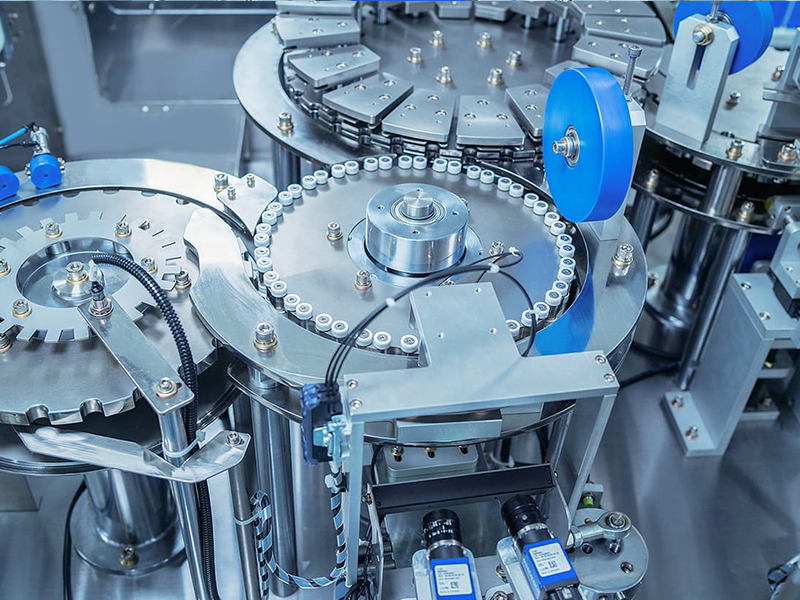
An automated assembly line represents a production model in which various automated devices and systems are integrated into a single line, capable of executing processes such as product assembly, inspection, and packaging without human intervention. Typically, such lines consist of robotic manipulators, sensors, PLC control systems, conveyor systems, and monitoring systems. Each stage of the process is controlled by computers or other intelligent devices, thereby enabling highly efficient automated production.
The operating principles can be summarized as follows:
1. Component Feeding: Components are precisely transported to their respective workstations along the production line via an automated feeding system.
2. Assembly and Processing: Various robotic manipulators, welding equipment, or other assembly tools—coordinated by the control system—perform the necessary assembly or processing operations on the components.
3. Quality Inspection: Sensors and inspection equipment integrated into the production line provide real-time monitoring of every production stage, ensuring that products meet established quality standards.
4. Finished Product Output and Packaging: Once assembly is complete, the finished products are conveyed to the packaging system for fully automated packaging.
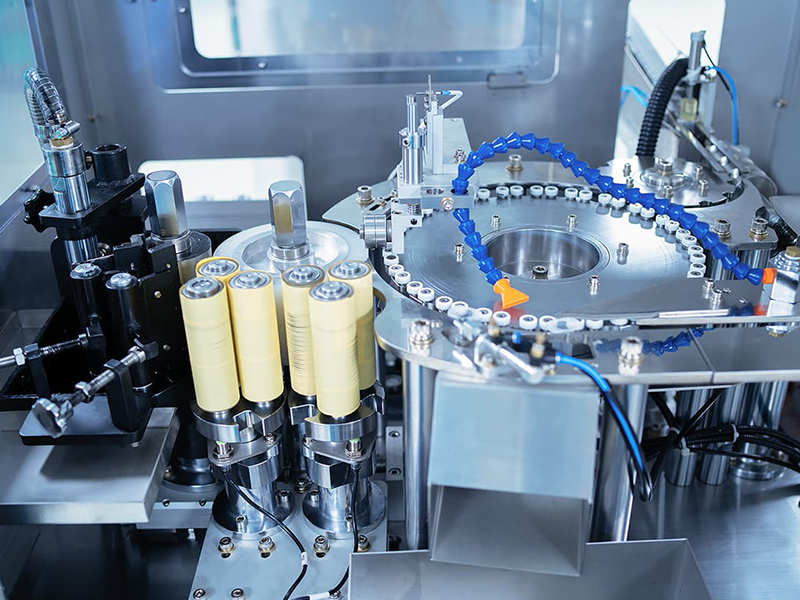
Advantages of Automated Assembly Lines
1. Increased Production Efficiency: Automated assembly lines are capable of continuous operation, thereby significantly boosting production efficiency. Compared to traditional manual operations, automated lines can produce larger batches of products in a shorter timeframe while simultaneously eliminating the time wastage often associated with manual labor.
2. Reduced Production Costs: Although automated assembly lines require a substantial initial investment, their long-term operation leads to a significant reduction in production costs. The operational stability and high efficiency of automated equipment reduce the reliance on human labor, while also minimizing material waste and rework costs resulting from human error. 3. Enhancing Product Quality and Consistency: Automated equipment demonstrates a high degree of operational precision during production, ensuring that the quality of every product meets established standards. While traditional manual operations struggle to achieve such consistency, automated systems utilize programmable controls to guarantee stable product quality.
4. Boosting Production Line Flexibility: Modern automated assembly lines possess a high level of flexibility, capable of rapidly adapting to products of varying specifications or types simply by modifying their control programs. This flexibility enables enterprises to promptly adjust their production lines in response to diverse market demands, thereby satisfying customers' personalized requirements.
5. Improving Production Safety: Automated production lines minimize workers' exposure to hazardous machinery or dangerous environments, thereby significantly enhancing safety throughout the manufacturing process. Workers are primarily responsible for equipment maintenance and supervision, which substantially reduces the likelihood of accidents occurring during high-risk operations.
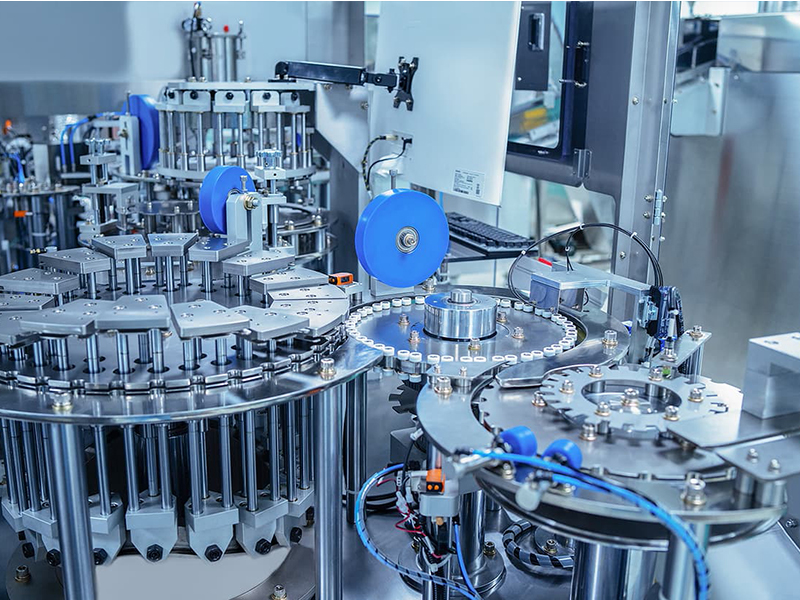
As one of the core technologies of Industry 4.0, automated assembly lines are continuously driving the manufacturing sector toward a future characterized by high efficiency, intelligence, and sustainability. They not only provide enterprises with effective means to boost production efficiency and product quality but also serve to reduce production costs and alleviate labor intensity. In the future, as technology continues to advance, automated assembly lines will demonstrate their immense potential across an even wider range of fields, becoming an indispensable and vital component of the global manufacturing landscape.