Automated Assembly Machines: The Future Driving Force of Intelligent Manufacturing
With the rapid advancement of industrial automation technology, automated assembly machines have gradually become indispensable core equipment in modern manufacturing. Capable of replacing traditional manual assembly, these machines automate complex assembly steps within the production process, thereby significantly boosting production efficiency, product quality, and economic returns. Against the backdrop of the global manufacturing sector's pursuit of high efficiency and lean production, automated assembly machines offer enterprises increasingly intelligent solutions.
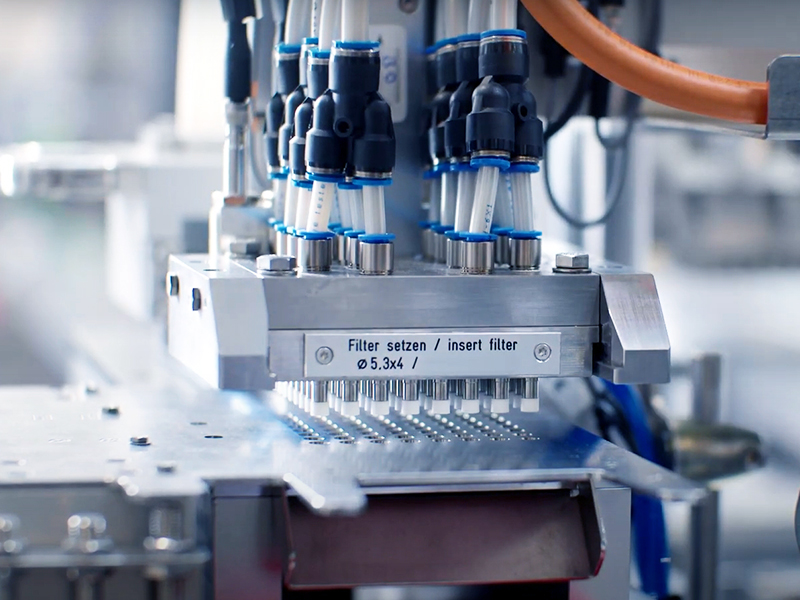
An automated assembly machine is a device that achieves automated assembly through the integration of technologies such as robotic arms, sensors, and control systems. It is capable of performing the assembly of various precision or complex components and is widely utilized across industries including automotive, electronics, medical devices, and home appliances. Typically, an automated assembly machine consists of multiple subsystems—such as feeding, assembly, inspection, conveying, and control systems—which work in concert to execute the automated transformation of products from individual components into finished goods.
The primary functions of an automated assembly machine include:
1. Automated Feeding: Utilizing automatic feeding devices—such as vibrating bowls, hoppers, and conveyor belts—to transport components in an orderly manner to the designated assembly stations.
2. Automated Assembly: Employing robotic arms or other precision mechanisms to accurately position and install individual components into their specified locations.
3. Automated Inspection: Integrating sensors and machine vision systems to monitor the assembly process in real-time, thereby ensuring the assembly accuracy of every single component.
4. Finished Product Output: Upon completion of assembly, the finished products are conveyed via conveyor belts or other transfer mechanisms to the next stage of the workflow, such as packaging or quality inspection.
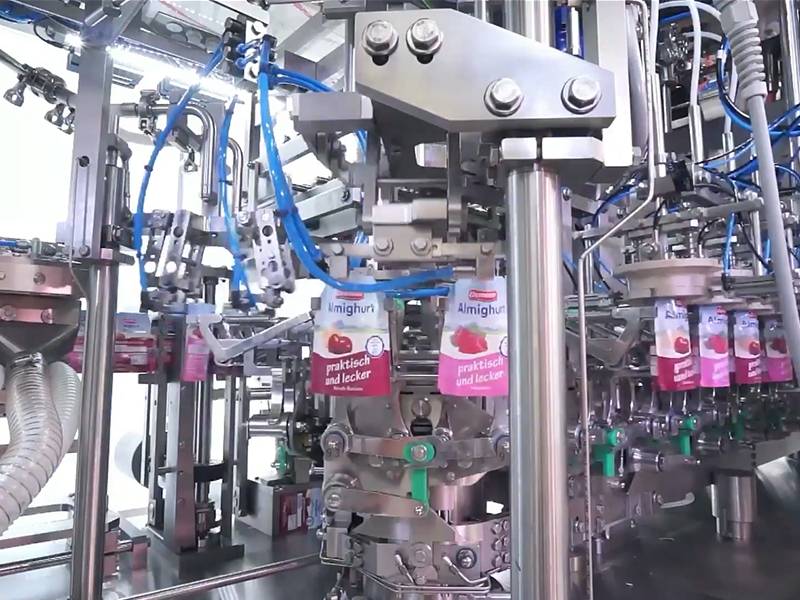
Advantages of Automated Assembly Machines
1. Increased Production Efficiency: Automated assembly machines are capable of continuous operation, leading to a dramatic increase in production efficiency. Compared to traditional manual operations, they can complete the assembly of large product batches within a short timeframe—an advantage that is particularly pronounced in scenarios requiring high-frequency assembly.
2. Reduced Labor Costs: By minimizing reliance on human labor, automated assembly machines significantly reduce the workforce requirements of production lines. Enterprises are no longer required to assign workers to every individual assembly step, thereby lowering both labor costs and recruitment-related pressures. At the same time, it prevents production issues that might otherwise arise from worker fatigue or human error.
3. Enhancing Product Quality and Consistency: Through precision control, automated assembly machines ensure the accuracy and consistency of every product throughout the assembly process. Compared to manual operations, automated equipment minimizes human error, guarantees stable product quality, and boosts the product pass rate.
4. Adapting to Diversified Production Needs: Modern automated assembly machines possess a high degree of flexibility, enabling them to quickly adapt to the assembly requirements of various product types and specifications simply by swapping fixtures or modifying software programs. This allows enterprises to respond agilely to the diverse demands of the market while reducing the time and cost associated with switching production lines.
5. Improving Production Safety: In certain high-risk assembly tasks, automated assembly machines can replace manual labor, thereby minimizing workers' exposure to hazardous machinery or harmful substances and significantly enhancing overall production safety.
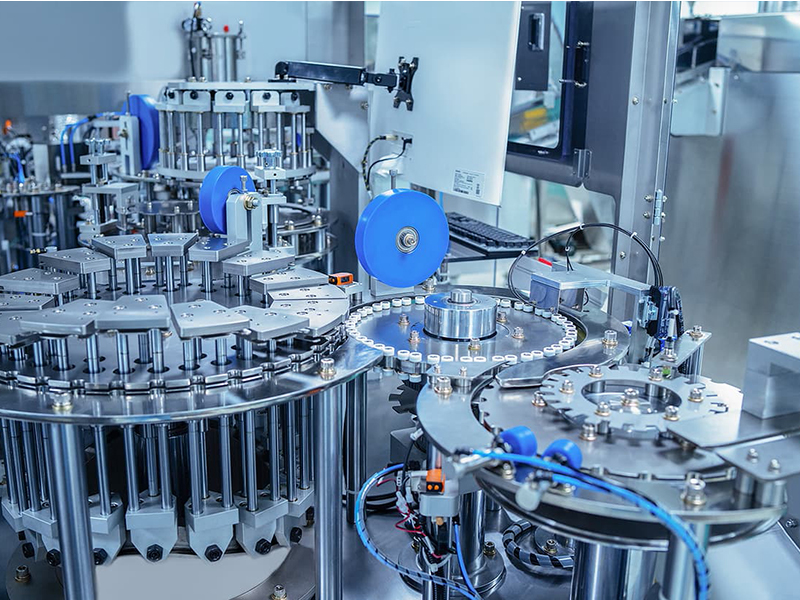
As a vital component of modern manufacturing, automated assembly machinery is driving a global shift in production models toward greater efficiency, intelligence, and sustainability. It not only provides enterprises with effective means to reduce costs and boost efficiency but also elevates product quality through advanced automation and intelligent capabilities. With the continuous advancement of technology, automated assembly machines will continue to play a pivotal role across an expanding range of industries, serving as a key driving force behind innovation and development in the manufacturing sector.