Fully Automatic Filling and Packaging Machine: A Key Piece of Equipment in Modern Production
In contemporary industrial production, the rapid advancement of automation technology has brought about transformative changes across various sectors. As a highly efficient piece of equipment that integrates both filling and packaging functions, the fully automatic filling and packaging machine has emerged as a core component of production lines in numerous industries. Whether in the food, beverage, cosmetics, pharmaceutical, or chemical sectors, fully automatic filling and packaging machines play an indispensable and vital role. This article will explore in detail the operating principles, advantages, and applications of fully automatic filling and packaging machines within the context of modern manufacturing.
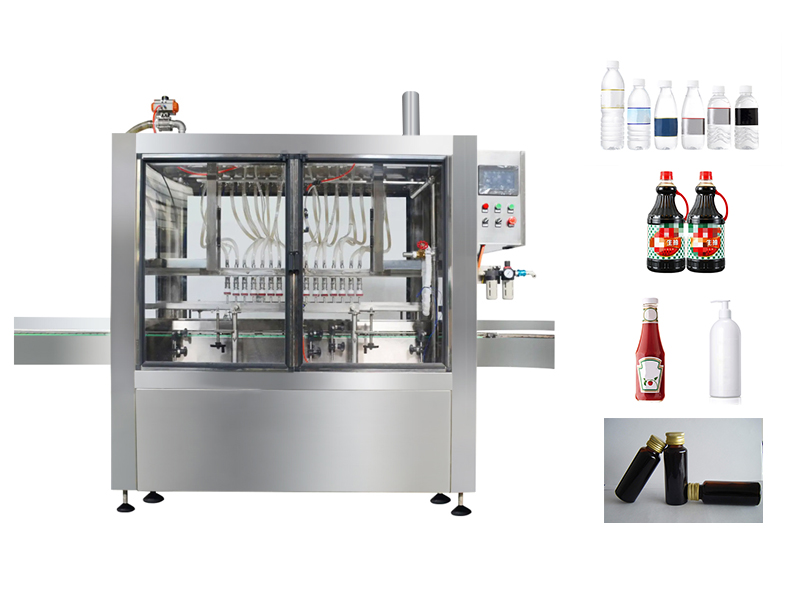
The fundamental operating principle of a fully automatic filling and packaging machine can be summarized as follows: utilizing an automated control system, it dispenses materials—such as liquids, pastes, powders, or granules—into containers in accordance with pre-set quantities, followed by sealing and packaging. Specifically, this type of equipment typically comprises several key subsystems: a material supply system, a filling system, a packaging system, and a control system.
1. Material Supply System: Materials are conveyed from storage tanks or hoppers into the filling machine via transport pipelines. This process is typically driven by pumps or screw conveyors to ensure a stable and continuous supply of materials.
2. Filling System: Depending on the specific nature of the material, fully automatic filling and packaging machines may employ different filling methods. For instance, liquid filling typically utilizes metering pumps or flow meters, whereas powder filling may employ screw augers. By precisely controlling the volume of material dispensed during each cycle, the filling system ensures product consistency and quality.
3. Packaging System: Once the filling process is complete, the packaging system proceeds to seal the containers. This process may involve various methods—such as heat sealing, capping, or vacuum packaging—to ensure the safety and stability of the product during transportation and storage.
4. Control System: Fully automatic filling and packaging machines are typically equipped with advanced PLC (Programmable Logic Controller) systems. Through a Human-Machine Interface (HMI), operators can configure and adjust parameters—such as filling volume, packaging speed, and operating modes—thereby enabling the intelligent operation of the equipment.
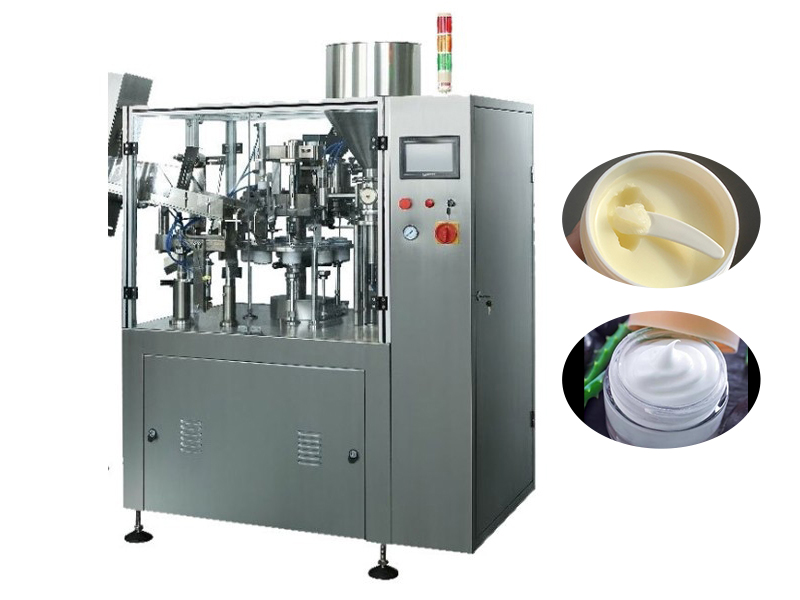
Compared to traditional manual or semi-automatic machinery, fully automatic filling and packaging machines offer significant advantages—advantages that render them an indispensable asset within modern production lines.
1. Efficiency: Fully automatic filling and packaging machines can significantly boost production efficiency. A single machine is capable of completing the entire process—from filling to packaging—thereby minimizing manual intervention and shortening the overall production cycle. Such equipment is particularly vital for enterprises engaged in large-scale mass production.
2. Precision: Utilizing advanced control systems, fully automatic filling and packaging machines achieve high-precision filling and packaging. Whether handling liquid or powdered materials, the equipment maintains precise control based on pre-set parameters, ensuring consistency in the specifications and quality of every product batch while minimizing waste and quality issues caused by filling errors.
3. Automation and Intelligence: Fully automatic filling and packaging machines are equipped with intelligent control systems capable of automatically monitoring and adjusting operational status. For instance, if material levels run low or packaging supplies are depleted, the machine can automatically trigger an alarm or shut down, thereby preventing production interruptions caused by material shortages or equipment malfunctions. Furthermore, intelligent monitoring systems can record and analyze production data, providing valuable insights to support corporate production management.
4. Versatility: Modern fully automatic filling and packaging machines typically possess strong adaptability and scalability. They can accommodate a wide variety of materials and packaging formats—including liquids, pastes, powders, and granules. Additionally, some machines allow for flexible adjustments to filling and packaging specifications as needed, effectively meeting the diverse production requirements of different products.
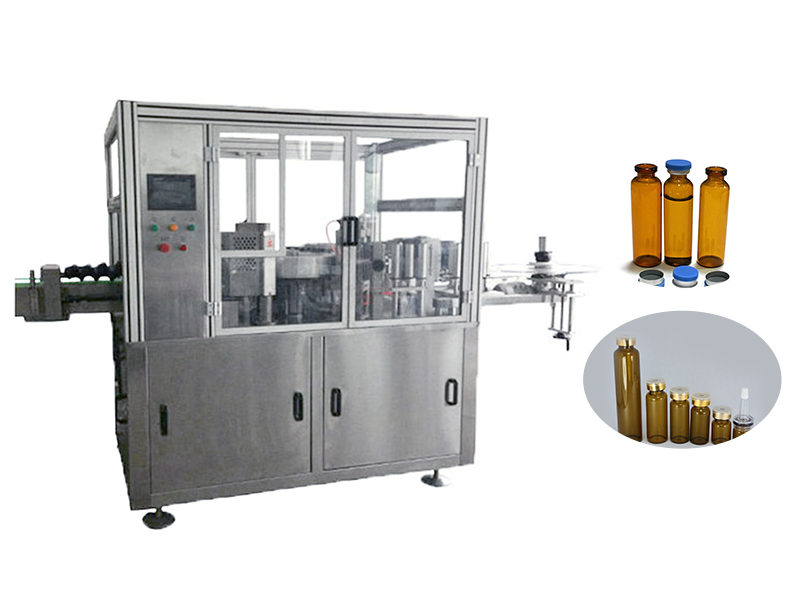
As a highly automated piece of equipment, the fully automatic filling and packaging machine has become an indispensable component of modern production lines. Its efficiency, precision, intelligence, and versatility have led to its widespread adoption across industries such as food, cosmetics, pharmaceuticals, and chemicals. Selecting a fully automatic filling and packaging machine that aligns with specific production needs not only enhances a company's production efficiency but also ensures product quality and strengthens its competitive edge in the market. Looking ahead, as technology continues to advance, fully automatic filling and packaging machines are poised to become even more intelligent and modular, providing robust support for production upgrades across an ever-expanding range of industries.